Posted on — Leave a comment

Hello!

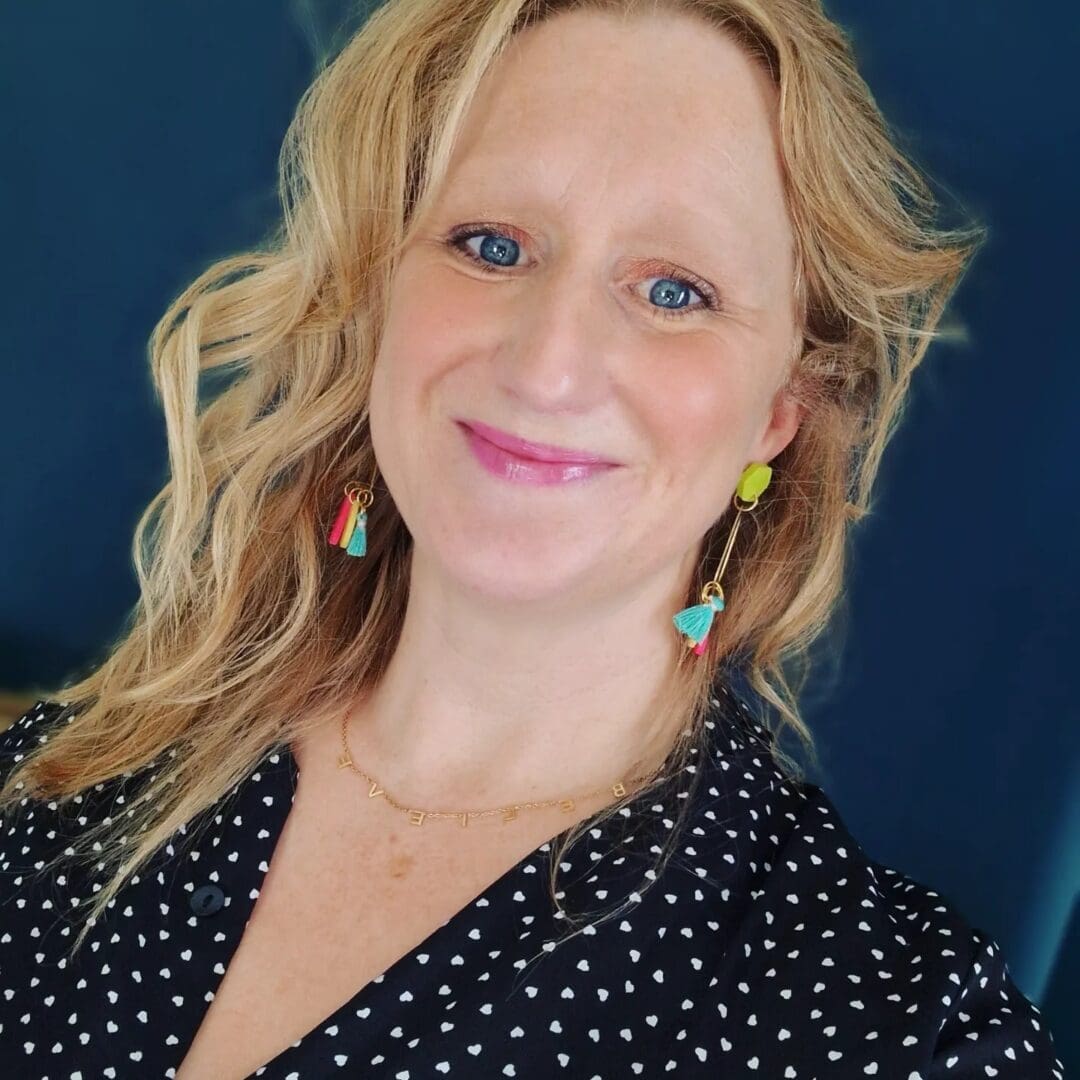
Hi there, I have been challenged to ac tually use the blog section of my page her on British Craft House, so here I am. My name is Laura Edmunds and I am a beach clean artist based in Plymouth. I create pictures from the things that I find on beaches using as mush as I can to bring you happy, colourful, dopamine art. At the same time I want to show you what I find and the true state of the beaches and oceans. 

Just a super short one for now, but it’s a start! 

Cheerio 

Laura 

Posted on

Small Swaps, Big Difference – Why Reusable Handmade Items Matter

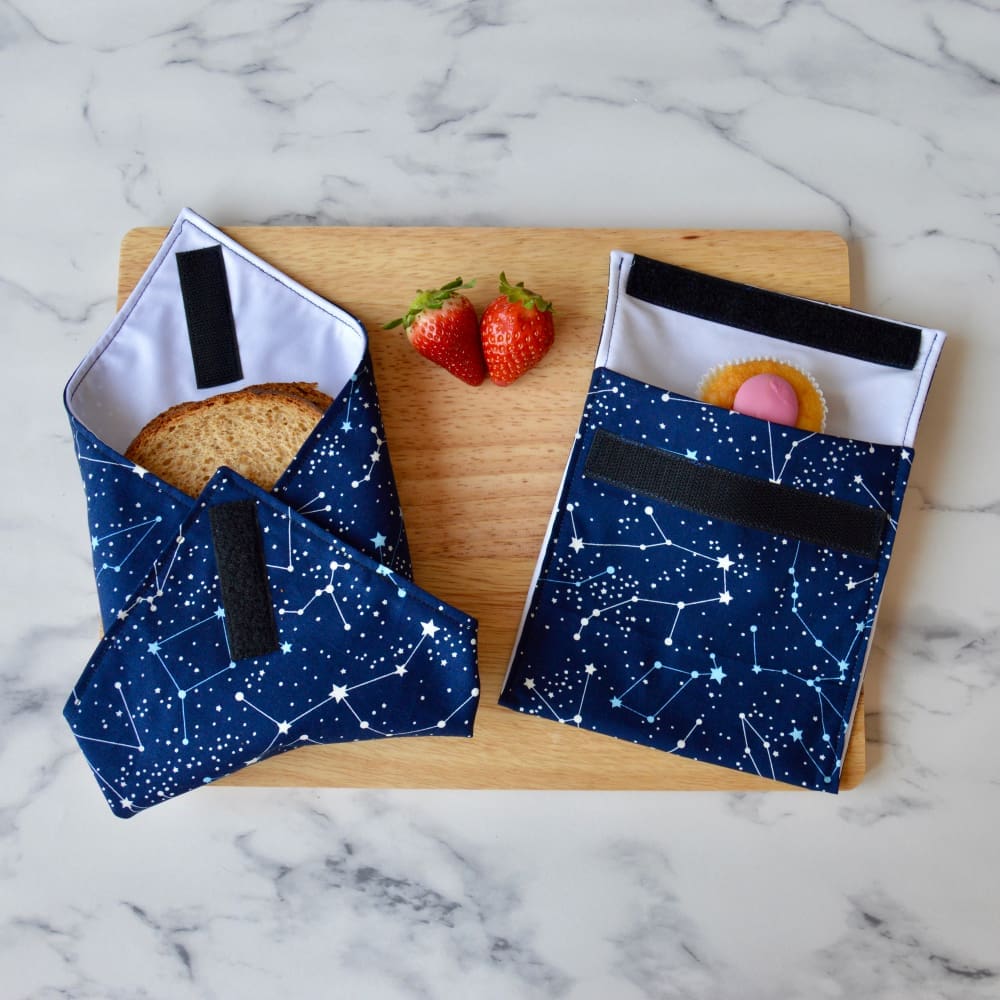
Constellation-themed sandwich wrap and snack bag on a wooden board. The wrap and bag feature dark blue fabric with white star patterns, evoking a night sky filled with constellations. A sandwich is partially wrapped in the sandwich wrap, a cupcake is inside the snack bag, and fresh strawberries are placed on the board.

Making more sustainable choices doesn’t have to mean completely changing your lifestyle.  In fact, some of the most meaningful changes come from the smallest swaps.

That’s one of the reasons I started In Stitches by Tracey—to create simple, reusable alternatives to everyday items that are often thrown away without a second thought.

Regularly used items such as makeup remover wipes, gift wrap, paper towels, cling film and plastic sandwich bags can all be switched to reusable versions.  By doing this, you’re not only reducing waste but also saving money over time.

It’s not about being perfect—it’s about making better choices where we can.

Handmade reusable products have a unique advantage. They’re made with care, designed to last, and created by someone who genuinely values quality and sustainability. Every item I make is stitched with attention to detail, so it can be used, washed, and reused many times.

Choosing reusable doesn’t have to be complicated—it can start with something as simple as swapping out a single item in your daily routine and those small changes really do add up.

Through my shop, I hope to make it easier for people to choose reusable, reduce waste, and still enjoy beautifully made, practical items.

Thank you for supporting small businesses and making more conscious choices—it truly makes a difference.

Posted on

Pewter – a silver substitute?

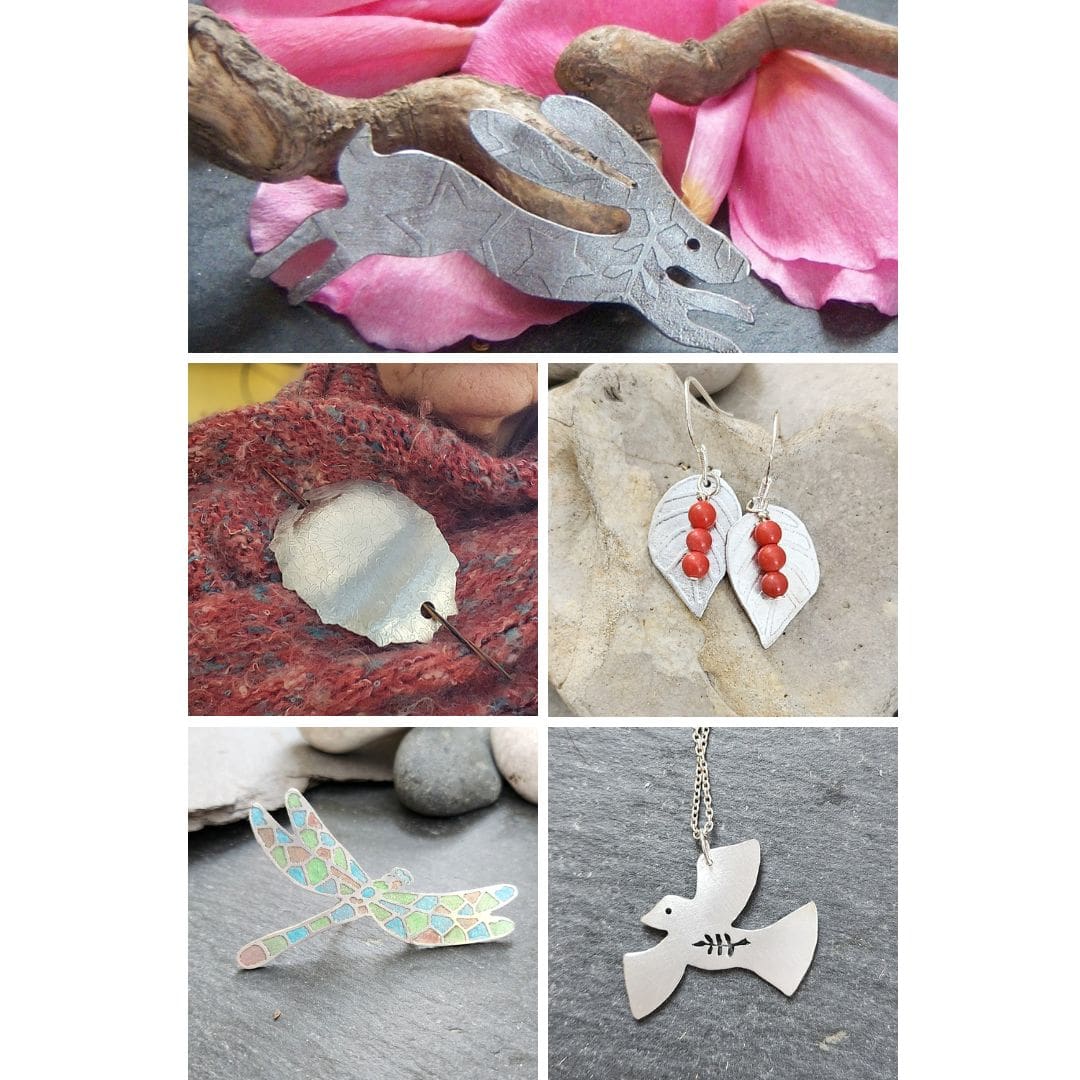
pewter jewellery

The price of silver has been increasing rapidly during 2025.  It’s now coming to the point whereby many silversmiths are questioning how they can continue without raising their prices, which many customers will find prohibitive.  The problem is unlikely to go away as silver is required for the electronic, renewable energy and mobile phone industries, as well as defence-related manufacturing. Because of it’s anti-microbial and non-toxic qualities it is also used for medical and consumer products. China has now introduced stricter export controls and the USA has officially added silver to their “critical minerals” list, with the possibility of tariffs.

Personally, I will be reducing the amount of sterling silver pieces I will be making.  When I do, they will be more expensive than before.  I already use a lot of copper, brass, glass and pewter, as well as upcycling coins and cutlery, so I will be doing more in these materials.  I will be working on updating my flame painting copper technique. I may also resume upcycling from old biscuit tins.  All the fixings and findings will still be sterling silver as they always have been.

But let’s talk about pewter

The formula changes several decades ago, so there is no longer any lead in it.  The only pieces you will find that type of pewter’s old formula in this country are antiques, not made in the last few decades – so any of those old tankards you might have, don’t drink out of them!!

Today’s pewter is an alloy consisting mainly of tin though it also contains small amounts of copper and antimony, giving it a shine that it never had before. It is definitely lead-free and nickel-free. 

Using pewter enables me to etch in a metal that can look as shiny as silver but because it is not such an expensive material and it’s softer, I can experiment more and sometimes do designs on a larger scale (Silver is legally required to be hallmarked once over 7.78g in the UK, adding to the cost; pewter isn’t required at any weight.) 

However, all the hooks, wires, connections and chains to connect the pewter, are made from sterling silver as with all my other jewellery.


Pewter Care

Because it doesn’t contain lead, it doesn’t tarnish as quickly.  Mild soap and warm water will do the trick.  Dry it with a soft cloth – don’t forget that it is a malleable metal and can be bent easily.

You can also make a mixture of flour, salt and white vinegar to create a paste.  Apply to the jewellery and leave on for at least 15 minutes, or rub gently with a circular movement, then rinse in warm water, drying with a soft cloth.

Light tarnish can be removed with a standard silver polishing cloth, giving it a wash and dry afterwards. 

Posted on

How It Started

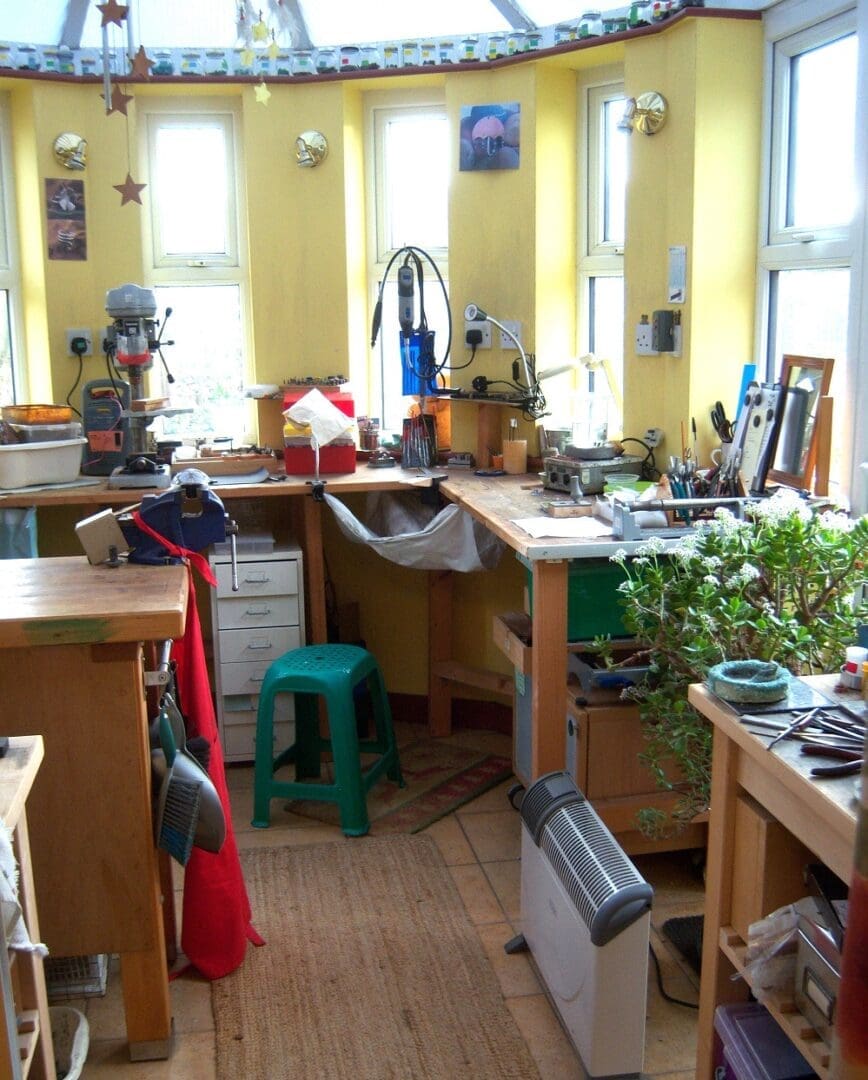
Studio

Once upon a time in the last century – too dramatic?? Probably, but it did all start with a damaged back in the 90’s.   Having been a very active Housebound Librarian, too many years lugging crates of books and driving a van with no power steering got the better of me and I ended up running the department from a desk instead.  Added to that was a really nasty boss wanting to get rid of all the existing staff with choices of her own – I moved on. 

A short-term contract with Age Concern followed and then a friend from another local authority said her neighbour was looking for someone to run the old ICI library in Runcorn.  So started a very miserable period of my life.  Though the boss was lovely, I was a square peg in a round hole, without a science qualification to my name, corporate life was definitely not for me. So I joined a local gardeners’ association as a volunteer and started making costume jewellery, just stringing beads together really, but they were two extra things I could be doing when I was wasn’t at work that I could enjoy and help me deal with the stress.

After nearly 5 years, I got out.  On the same day I started as an information officer and volunteer trainer at a Disability Helpline charity in Skelmersdale, I got changed in the loo at 5pm, hurtled off to St.Helens college for 3 hours of sheer heaven – silversmithing. I had found my calling.

That went on for several years with 3 different tutors and guest tutors coming in for special projects, it was magic.  I learnt so much and over the years, I’d go on working holidays all over the country.  Silver clay and anodised aluminium in Dorset, bronze clay in Edinburgh, Pewter casting and etching in West Sussex, enamelling in Cumbria, blacksmithing in Marlborough, bone carving in Galway and lots of different glass courses at Pearsons in Liverpool.  More recently I’ve been more YouTube with resin as well flame painting copper and then a local wax carving day but I just haven’t had time to further explore that avenue further yet.

In between all that, I’d set up my business and was working from the back of the garage, far from ideal.  We had the old leaky conservatory knocked down and replaced with a studio – attached to my office- perfect! Having spent 10 years at the Helpline, I decided enough was enough, I couldn’t go on there, doing craft fairs, supplying galleries, selling online as well as normal things and still volunteering – time to concentrate on me and my business.  So, I quit and that turned out to be THE BEST decision.  12 years on and there are no regrets – but I really don’t know where all that extra time I was supposed to get disappeared to!!

Posted on

Coin Journey

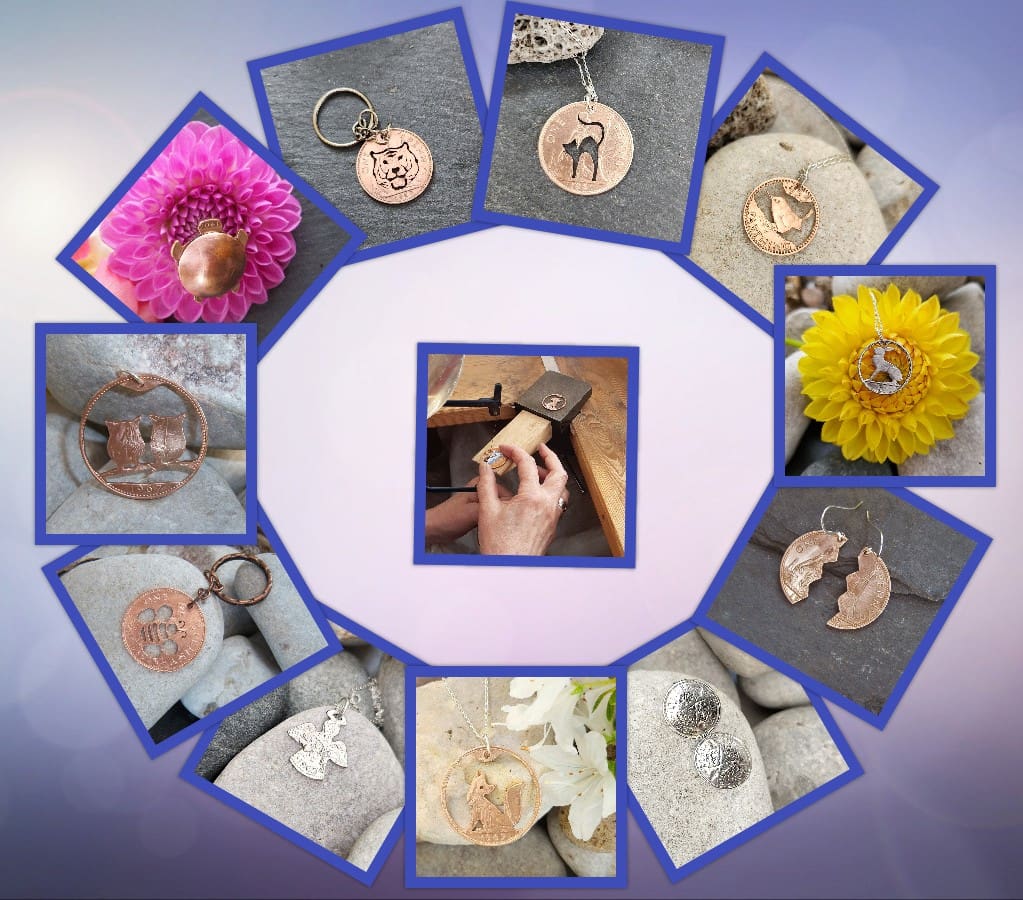
coin jewellery

It started at St.Helens Art College, practising on copper and brass.  The natural progression was to move up to silver once the basic techniques are mastered and I did.  But whereas most of the students crash on with just the silver , I continued with mixing and matching, I like the contrasts and I still do that now.

Along the way, I ‘ve dabbled in silver clay/pmc, anodised aluminium, enamel, resin, glass, pewter and then more into upcycling – biscuit tins, cutlery and coins. Though I’ve worked through many of the silversmithing techniques, I’ve abandoned some like repousse (way too messy) and stone setting (really HATE that!) and found what I really enjoy doing is pierce – and it’s what I do best.  So I use a fine-bladed jeweller’s saw and sit there for hours, until my hands cramp! 

When my uncle mentioned that he’d saved piles of coins that he’d found in Grandad’s loft when they cleared the house, I grabbed them. Grandad had been a bookie and I’m presuming they were what remained of his float when decimalisation happened in 1971.   That started the coin jewellery and keyring exploration. Upcycling coins has been a revelation, practicing on the pennies and halfpennies as there were so many, not always in good condition but then those from Queen Victoria’s reign wouldn’t be that good, would they?  I also had my own collection that I’d collected as a child, often with the help of Great Uncle Joe, Grandad’s brother. And more have been added as time has gone on, particularly the farthings with the wren and Irish 3d with the hare, which weren’t in any of our collections.

When I first starting using coins, I was trolled. To cut a long story short, it’s not criminal. A few people took one snippet of legislation and got carried away.  They didn’t have any understanding and had not read the full HM Treasury guidance. In the end I just got a license, it was easier. Having said all that, I haven’t been hassled in the last few years, it now seems OK to the general public.  As long as the coins are out of circulation, no longer used as currency, it is perfectly legal, which is exactly what I use.  And just in case, I’m belt and braces and have the license, in writing. (N.B. You CANNOT deface the monarch’s image if the coin is still legal tender, that is definitely not acceptable and IS illegal.)

So I’m still using lots of metal combinations and still experimenting – there’s no way I could ever get bored doing what I do; and I know I work longer hours than I ever did in any of my  “regular” jobs but it isn’t like work, so I just keep going, it’s fun!

Posted on

Time, Craft, and Being Present

For as long as I can remember, I’ve been interested in clocks.

Not just in the way they function, but in how they sit within a space. There’s something about them that’s both practical and quietly sculptural — always moving, but never demanding attention.

Over the past few years, my relationship with time has changed quite a bit.

After going through a difficult period, I found myself thinking differently about how I was spending it. Like most people, I’d spent a lot of time either looking back or thinking ahead — rarely just being where I was.

Since then, I’ve tried to approach things differently. Slower. More present. Paying attention to what’s in front of me, rather than constantly measuring what’s next.

That shift has naturally found its way into the work I make.

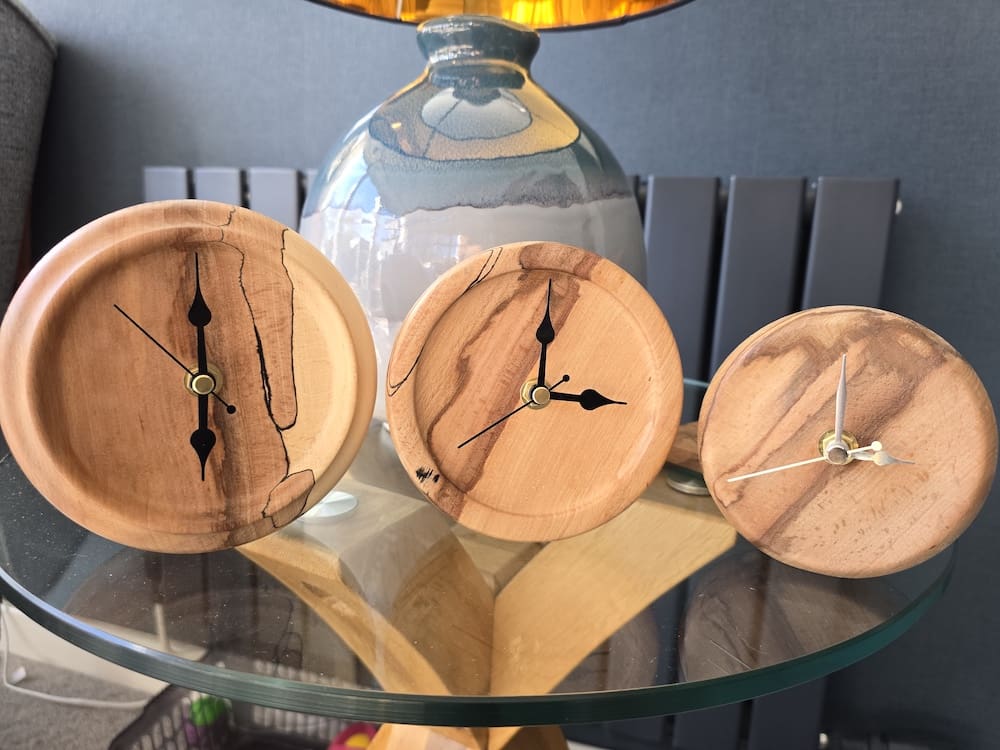
The clocks I’ve been turning recently are intentionally minimal — often without numbers or unnecessary details. Just the material, the form, and the movement of the hands. The concave faces draw your eye in slightly, encouraging you to pause rather than just glance and move on.

The timber plays a big part too. I’ve been working with Flaming Beech from Devon, and each piece has its own character — some calm and subtle, others more expressive. Rather than forcing a design onto the wood, I try to respond to what’s already there.

In a way, these pieces have become more than just clocks.

They’re small, functional objects — but also quiet reminders. Not to rush. Not to overthink. Just to be present in the moment you’re in.

That’s something I’m still learning myself, but it’s a direction I want both my work and my time to move in.

Posted on

Welcome to Sand & Spirit – Ocean-Inspired Resin Jewellery & Coastal Gifts

Welcome to Sand & Spirit – Ocean-Inspired Resin Jewellery & Coastal Gifts

There’s something about the sea that stays with you.

The shifting colours, the movement of the tide, the way light dances across the water — it has a quiet kind of magic. At Sand & Spirit, that feeling is at the heart of everything I make.

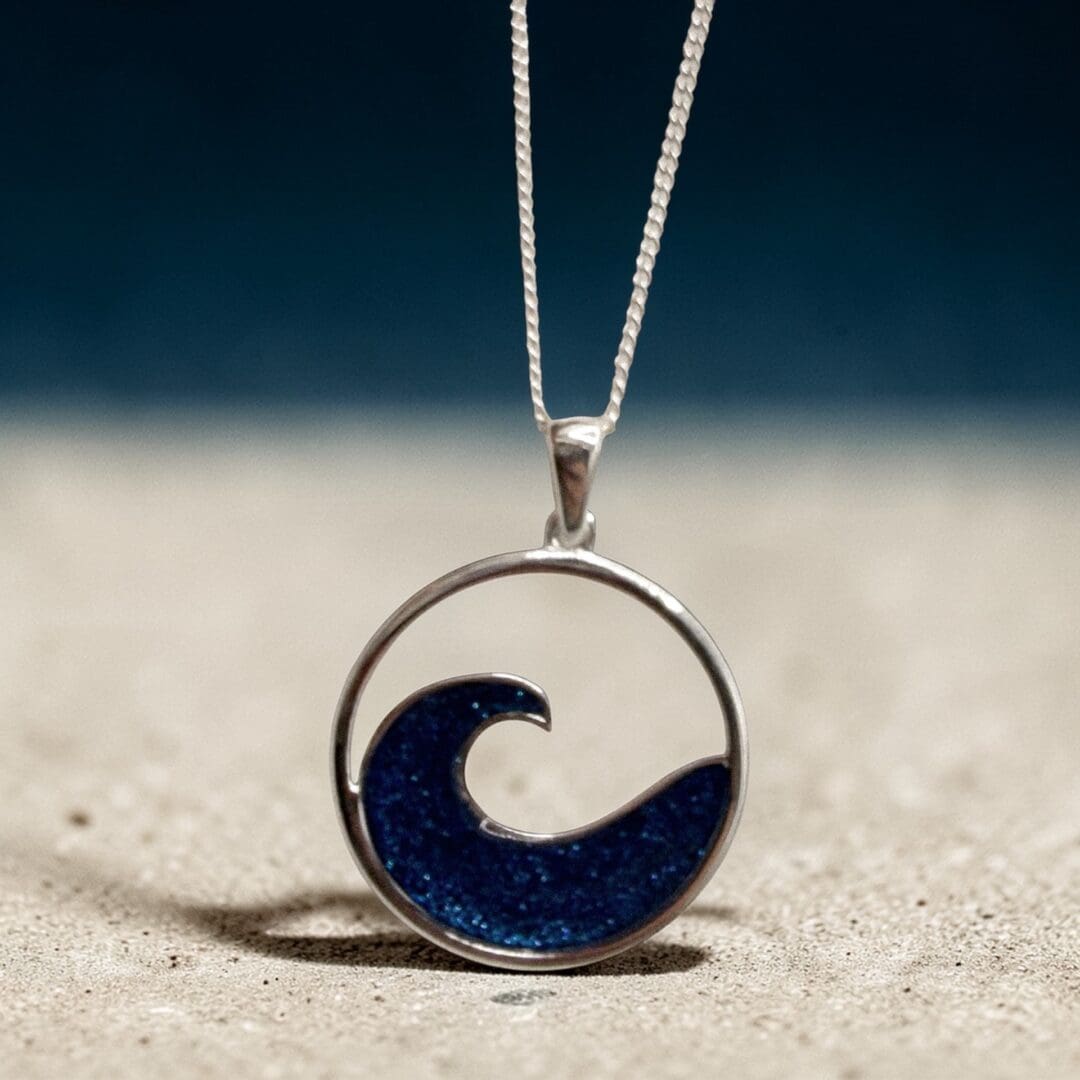
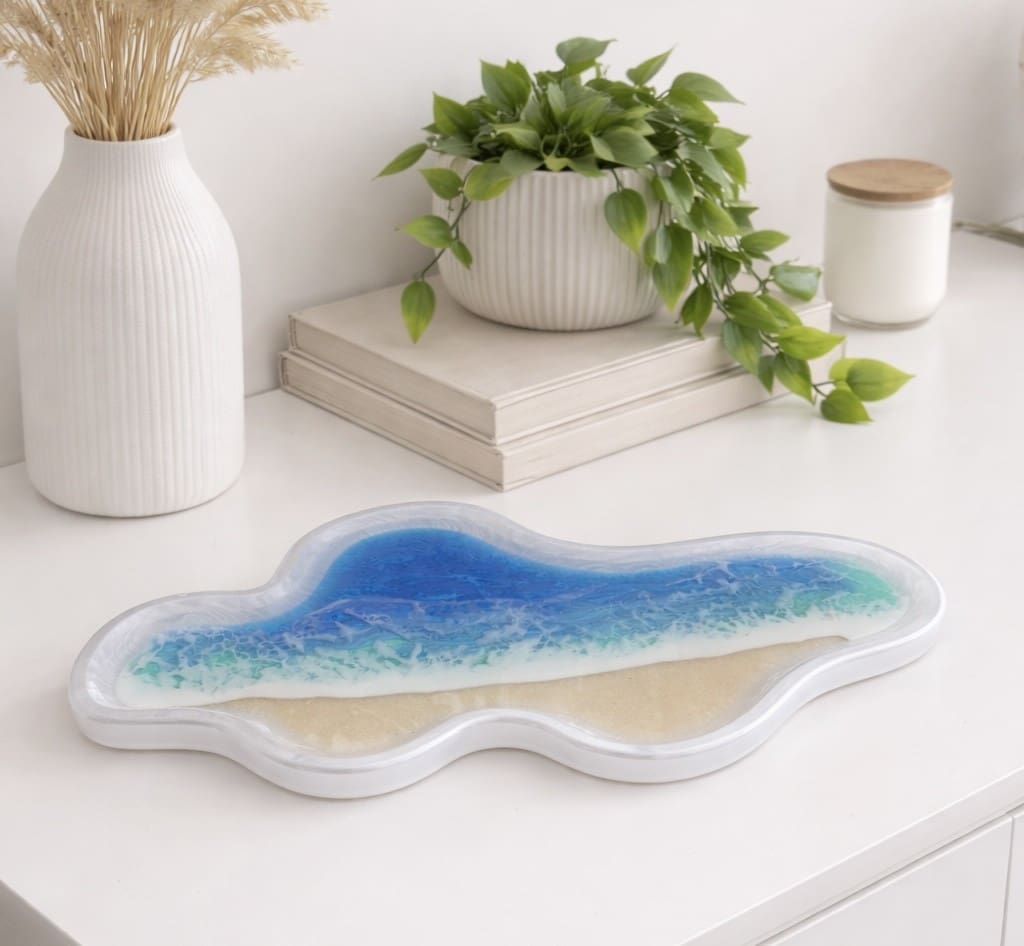
Every piece in my shop is inspired by the beauty of the coastline: soft sandy beaches, rolling waves, and the calming blues and greens of the ocean. Using resin as my medium, I create jewellery, gifts, and homeware designed to capture those moments and bring a little piece of the coast into everyday life.

Handmade, One Piece at a Time

Unlike mass-produced accessories you’ll find on the high street, each item from Sand & Spirit is handmade in small batches. That means every necklace, pair of cufflinks, coaster, or decorative piece has its own unique character.

Resin allows colours to flow and blend naturally, creating patterns that can never be perfectly repeated. No two pieces are exactly the same — so when you choose something from my shop, you’re getting something truly individual.

Jewellery That Feels Like the Sea

If you love the ocean, beach walks, or coastal holidays, these designs are made for you.

My resin jewellery often features:

– Deep ocean blues and turquoise tones 
– Soft sandy textures 
– Shimmering wave effects 
– Natural shells and coastal details 

They’re designed to be easy to wear every day while still feeling a little special — whether you’re heading out for the day or just want a reminder of the sea wherever you are.


Coastal Gifts & Homeware

Alongside jewellery, I also create ocean-inspired gifts and homeware pieces.

These are perfect if you’re looking for something thoughtful and different — a present that feels personal rather than something picked off a shelf. From decorative pieces to practical items for the home, each design carries the same coastal inspiration.

They also make lovely gifts for:

– Birthdays 
– Housewarmings 
– Weddings or anniversaries 
– Anyone who loves the sea


Why Shop Small?

When you buy from a small handmade business, you’re not just buying a product.

You’re supporting creativity, craftsmanship, and the time spent designing and making something special. Every order placed with Sand & Spirit here at The British Craft House directly supports a small independent maker — and that means a lot.

It also means you get something made with care and attention, rather than something mass-produced.

Bring the Coast Home

Whether you’re looking for ocean-inspired jewellery, a unique gift, or something beautiful for your home, Sand & Spirit is all about bringing the feeling of the coast into everyday life.

If you love the sea as much as I do, I’d love you to take a look around the shop and find something that speaks to you.

Browse the collection and discover your own little piece of the ocean.

Posted on — Leave a comment

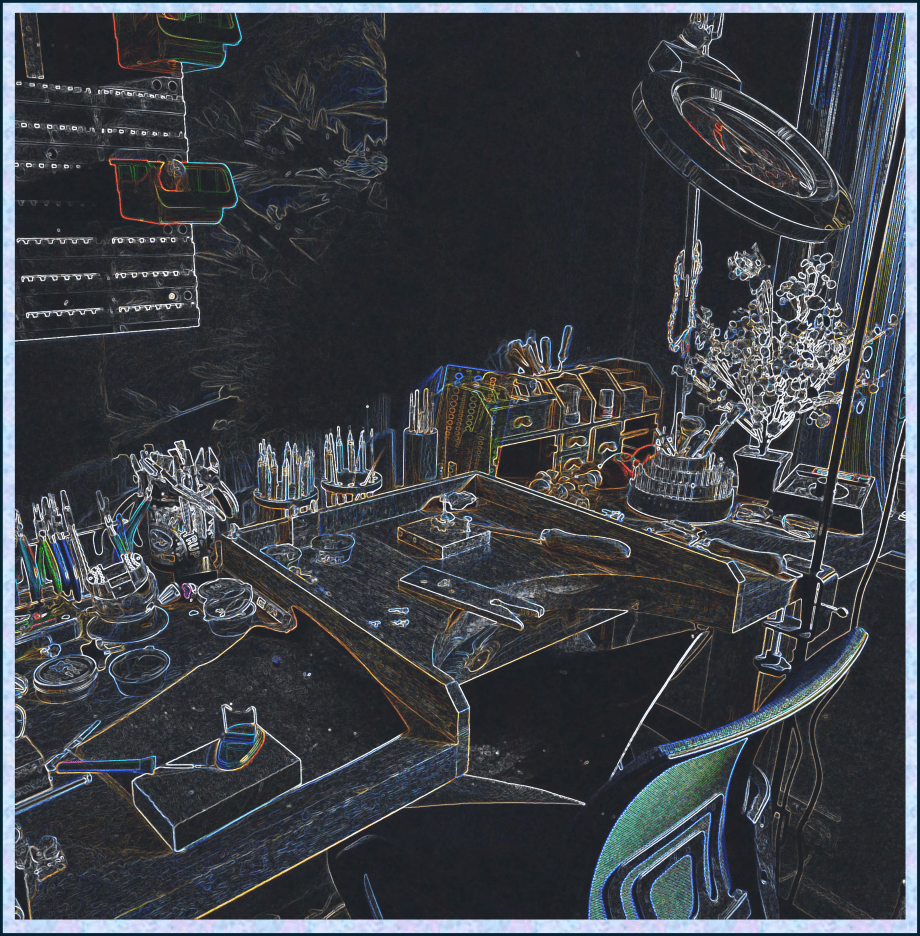
Inside my bench: recycled metals, gemstones and packaging

I wanted to share a little behind-the-scenes look at the metals, gemstones, and packaging that shape my work. Where I source my materials and the type of materials I use are just as important to me as the final design.

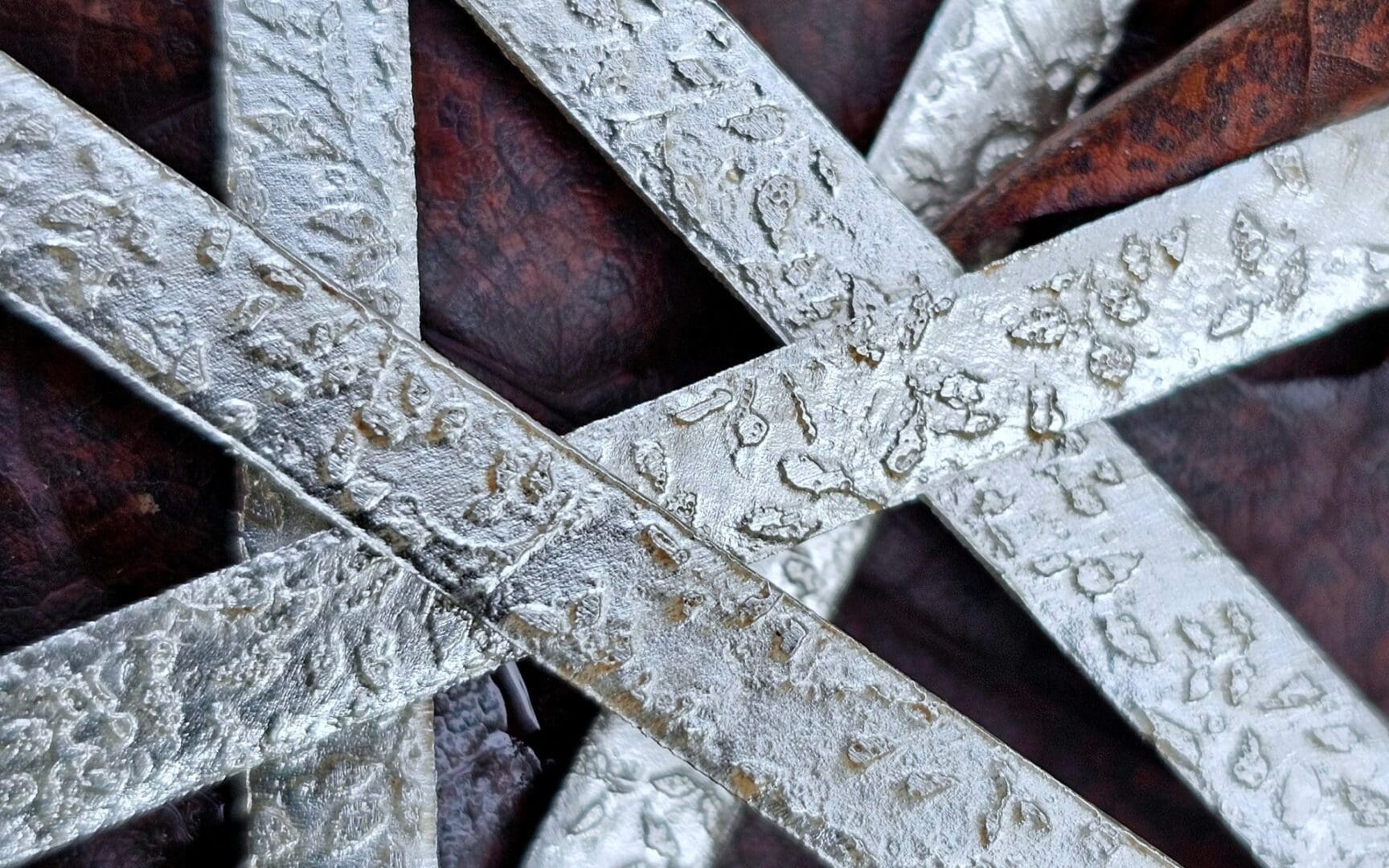
I work mainly with sterling silver, a metal I love for its soft, luminous glow. Silver is often likened to the moon’s soft radiance and has long been associated with protection. There may be truth in that — silver naturally has antimicrobial properties. I also enjoy working with 9ct gold, usually adding small touches of gold to my silver pieces. Its rich warm tone sits beautifully against silver, creating a gentle contrast that compliments each metal. Pure silver and gold are too soft for everyday wear, so both are alloyed for strength: sterling silver contains a small amount of copper to give it more strength and durability and 9ct gold is an alloy of copper, to keep its warm, rich colour and other metals, often silver, to enhance its brightness and malleability. All the precious metal I use are recycled, refined from old jewellery, industrial, and electronic waste. Recycled silver and gold are chemically identical to newly mined metal but avoids the environmental and ethical impact of mining. Alongside precious metals, I occasionally create pieces in copper and bronze. I love their warmth and earthy tones, and both metals are wonderfully strong and durable for jewellery.

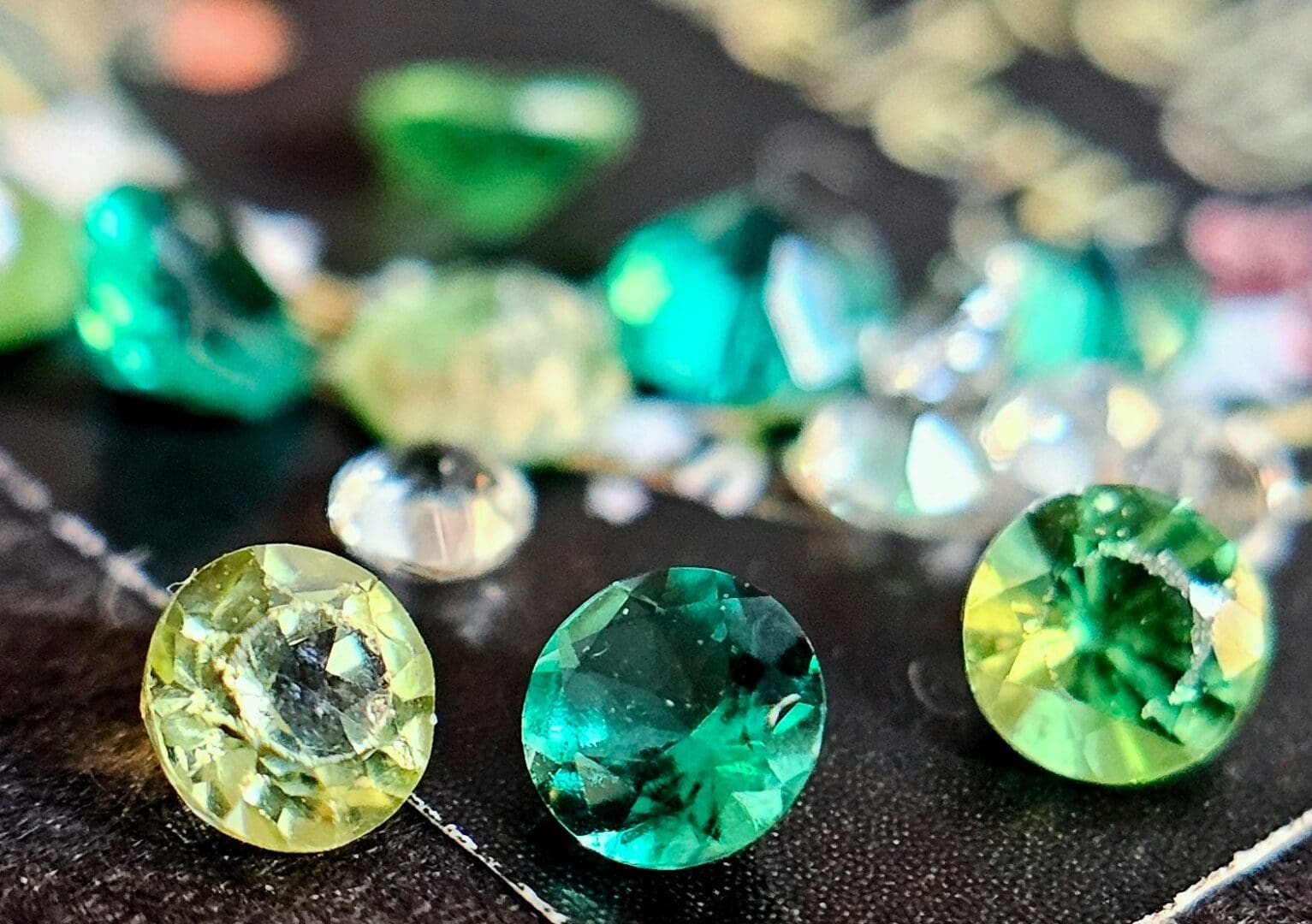
Gemstones bring colour, sparkle, and personality to my work. I use a mix of natural stones and high‑quality laboratory‑grown gemstones, which offer beauty, durability, and excellent value. All laboratory stones are synthetic, synthetic simply meaning man‑made. Lab-grown stones however, often refers to gemstones that have natural counterparts, for example a lab-grown ruby, which have the same physical and chemical properties as natural ruby. My gemstones come from trusted UK suppliers. Full transparency in gemstone supply chains is challenging, but I choose companies who are committed to minimising harm, building direct relationships, and maintaining high standards wherever possible.

Sustainability doesn’t stop at the jewellery itself. My packaging comes from companies committed to reducing their carbon impact and are made from recycled cardstock with eco‑fibre inserts, that is fully recyclable and contain labels printed with eco‑friendly inks. These small details help me keep my packaging as low‑impact as possible while still feeling special to receive.

Materials shape every part of my jewellery — not just how a piece looks, but how it feels to wear, how long it lasts, and the footprint it leaves behind. Choosing recycled metals, responsible suppliers, and sustainable packaging is my way of honouring both the craft and the environment. I hope this little behind‑the‑scenes look helps you feel even more connected to the pieces you choose to bring into your life.

Recycled etched sterling silver, Isobel Kelly JewelleryBlack box with logo label, Isobel Kelly JewelleryGreen gemstones on black background, Isobel Kelly Jewellery

Posted on — Leave a comment

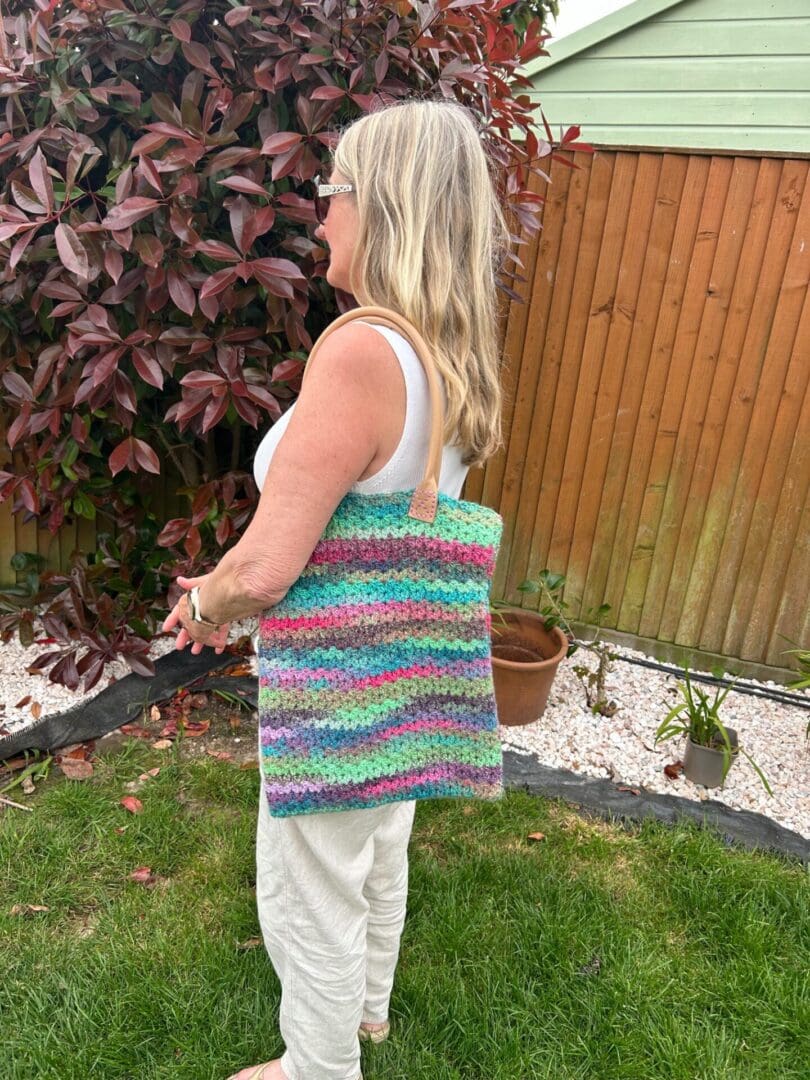
10 Years of Crochet

crochet-tote-bag

10 Years of Crochet: A Decade of Creativity, Patience, and Yarn

This year marks a special milestone for me: 10 years of crocheting. When I first picked up a crochet hook a decade ago, I had no idea how much it would become a part of my life. What started as curiosity quickly turned into a creative outlet, a way to relax, and a skill I continue to grow and enjoy every day.

I still remember my early days of learning. Like many beginners, my first stitches were far from perfect. My tension was inconsistent, my rows were uneven, and I spent a lot of time undoing what I had just made. But every small improvement felt exciting. With each project, I learned something new—whether it was a different stitch, a new pattern, or simply how to be more patient with the process.

Over the years, crochet has become more than just a hobby for me. It’s a way to slow down in a busy world. Sitting down with yarn and a hook gives me the chance to focus on something calm and creative. There’s something incredibly satisfying about turning a simple strand of yarn into something useful or beautiful with your own hands.

Throughout this journey, I’ve made all kinds of projects—some small and quick, others that took weeks or even months to finish. Every project has its own story. Some were gifts for friends and family, some were experiments where I tried new techniques, and some were simply made for the joy of creating.

Of course, ten years of crochet also means ten years of learning. Even now, there are still new stitches, patterns, and techniques for me to explore. That’s one of the things I love most about crochet: there is always something new to discover. No matter how long you’ve been crocheting, the craft keeps evolving and offering new challenges.

Looking back, I’m grateful I picked up that crochet hook ten years ago. It has given me countless hours of creativity, relaxation, and satisfaction. I’ve learned patience, persistence, and the joy of making something by hand.

If you’re someone who has been thinking about learning crochet, my advice is simple: just start. Your first stitches might not be perfect, but that’s part of the journey. With practice and patience, those stitches will turn into projects you’re proud of.

Here’s to ten years of crochet—and many more to come.