Posted on — Leave a comment

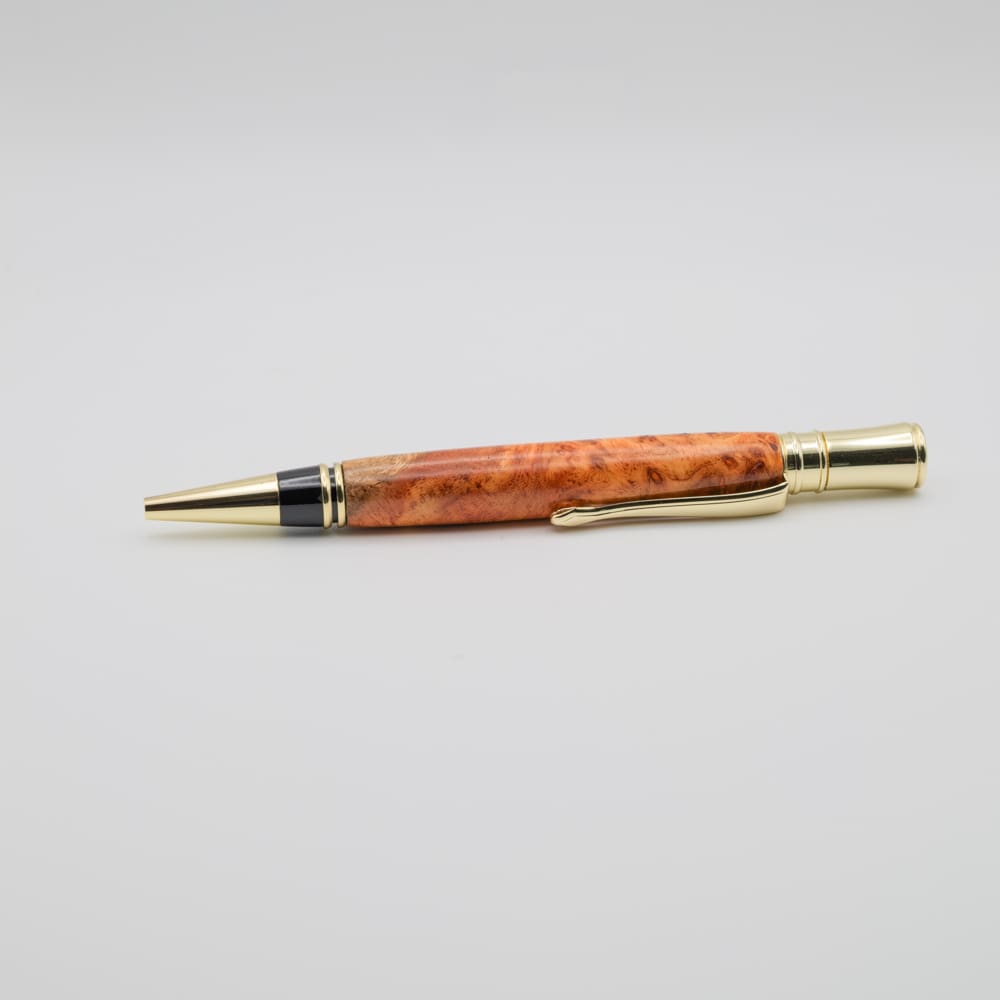
Why I Stabilise Wood for Pen Turning

Why I Stabilise Wood for Pen Turning

When you first start turning pens, it’s tempting to grab any beautiful piece of wood and start crafting. But I’ve learned through experience that stabilisation isn’t just an extra step—it’s what transforms fragile, unpredictable blanks into reliable, stunning writing instruments that will last a lifetime.

The Problem with Unstabilised Wood

Wood is organic and dynamic. It absorbs moisture, expands and contracts with humidity changes, and can be surprisingly fragile when turned to the thin walls required for pens. Spalted woods, burls, and other highly figured pieces—the very woods that create the most spectacular pens—are often the most delicate and prone to crumbling during turning or cracking after completion.

I’ve had the frustrating experience of spending an hour carefully turning a beautiful blank, only to have it chip or split at the final stage. Even worse is when a finished pen develops cracks months later due to seasonal humidity changes.

What Stabilisation Does

Stabilisation involves impregnating the wood with resin under vacuum pressure. The resin fills all the voids, cracks, and porous areas within the wood’s cellular structure, essentially turning it into a wood-resin composite.

The benefits are remarkable. Stabilised wood machines beautifully with clean cuts and minimal tearout, even in highly figured or spalted pieces. It takes a superb finish that highlights the natural grain whilst adding depth and lustre. Most importantly, it’s dimensionally stable—it won’t warp, crack, or split with humidity changes.

The Difference You Can Feel

When you hold a pen turned from stabilised wood, you can feel the quality. The surface is smooth and polished, the wood feels solid and substantial, and there’s a confidence that this piece will look just as beautiful in ten years as it does today.

For burls, spalted woods, and other premium materials, stabilisation isn’t optional—it’s essential. It allows me to work with the most spectacular pieces of wood whilst ensuring every pen I create meets the highest standards of durability and craftsmanship.

Worth Every Step

Yes, stabilisation adds time and complexity to the process. But when I see the vibrant colours, intricate patterns, and flawless finish on a completed pen, I know it’s absolutely worth it. Stabilisation doesn’t just protect the wood—it unlocks its full potential, allowing nature’s beauty to shine through in a piece that will be treasured for years to come.
Posted on

Phat bobs bespoke

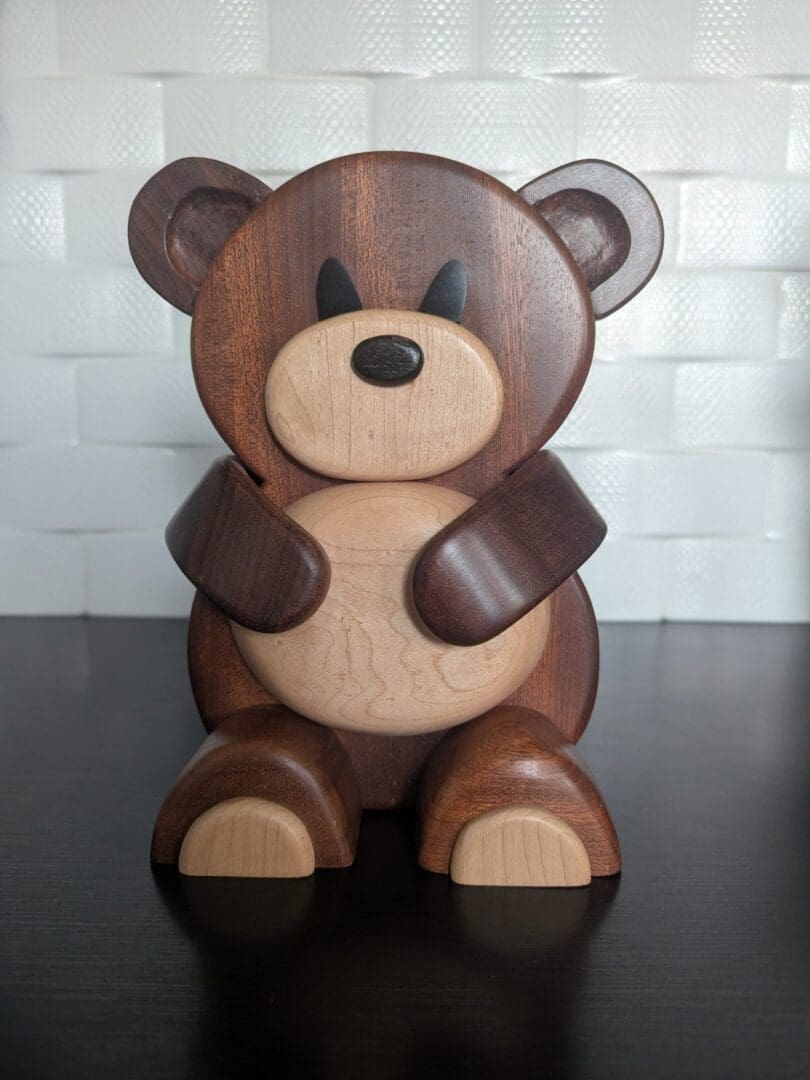
Phat bob is a woodworker from East Yorkshire with a passion for working with local and exotic timber to create bespoke hand made pieces not only practical but also decorative to display in any room of your home

Posted on — Leave a comment

Hello!

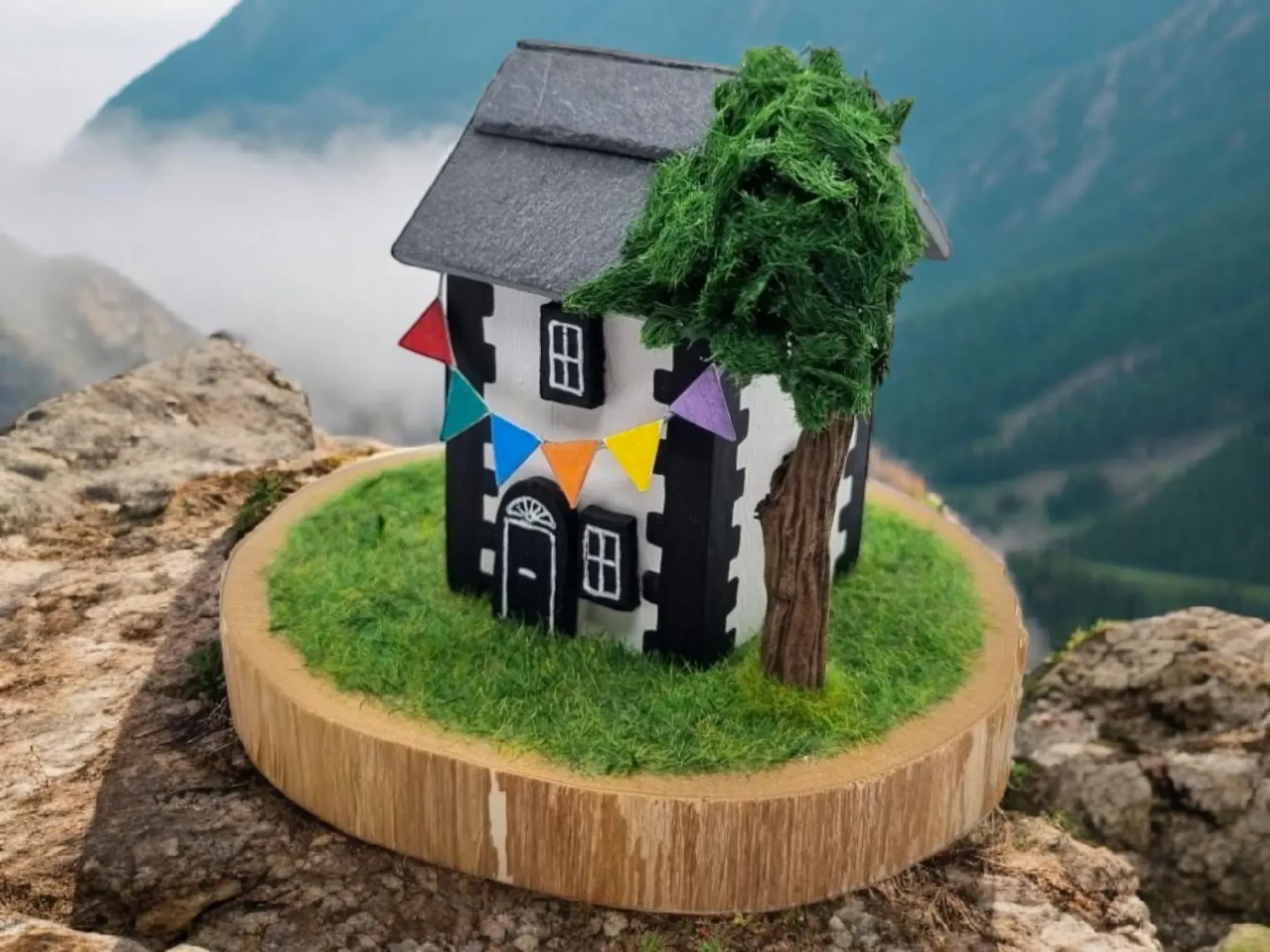
Watendlath Lake District cottage with bunting and tree

Hello from Cumbria, where, ironically, we actually seem to have avoided all the snow! The usually wettest place in England, is currently not wet at all.

I thought I’d try blogging here after joining a British Craft House workshop the other day, where it was recommended.

My name is Nicola, and I create miniature Lake District cottages right here in Cumbria. I used to sell in the two Cherrydidi shops, in Keswick and Ambleside, but unfortunately they closed down, which put an end to my shop sales. Since then I’ve stocked with another couple of places, but sales are slow and shop rent is expensive, so I’ve moved online, using Etsy first and now The British Craft House, which seems a good fit for my handmade products.

My work has also been slightly slower than I’d like due to being a carer for 2 of my 3 children (a teen and an adult), so there’s a lot to fit in with school meetings etc, around attempting to sell my creations.

My background is in traditional animation (I have a BA Hons), so I love a whole range of creative activities, and have recently tried making some silver clay products too, which I hope to add to my shop soon – watch this space.

Anyway, must go for now – the laptop is needed for my daughter’s homework!

Thanks for reading.

Nicola

Posted on

Silver Jewellery Making Workshops in Cornwall | Arvor and Mor

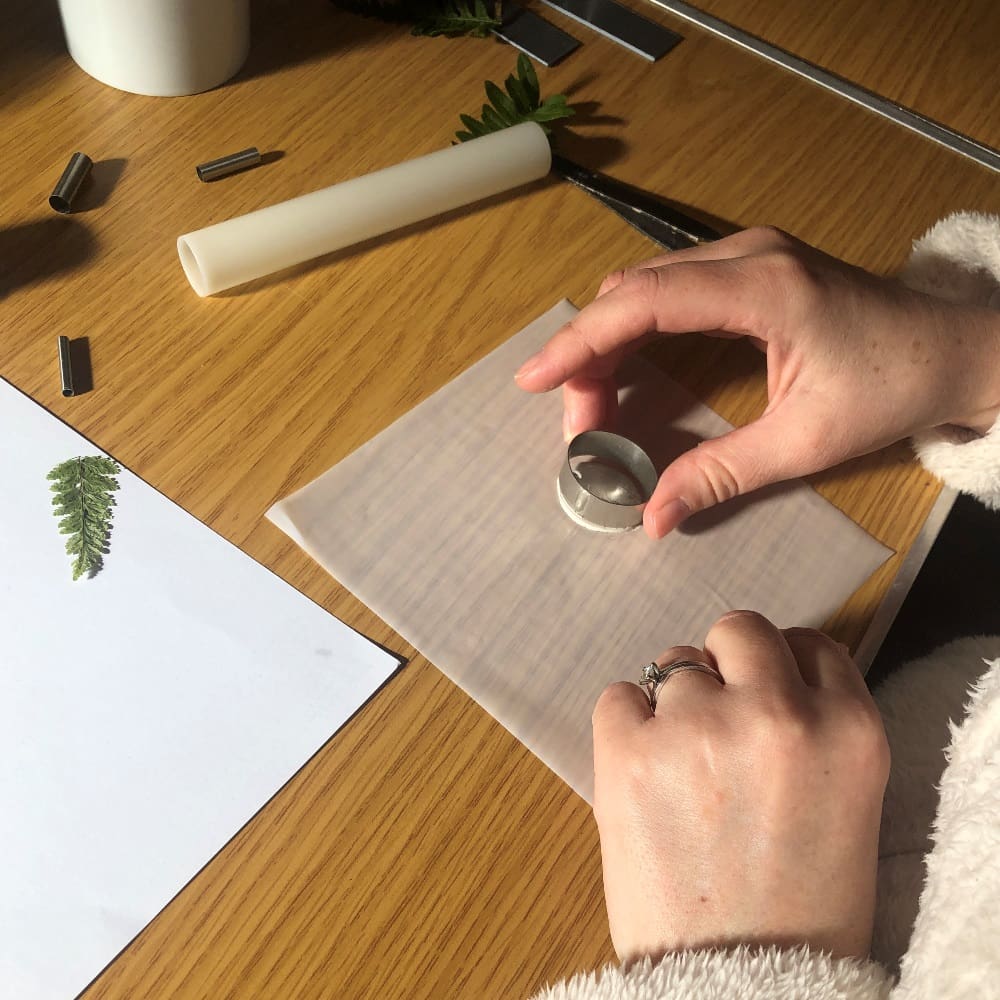
A workshop participant cutting an oval shape from silver metal clay on the Silver Metal Clay Beginners Jewellery Workshop

Silver Jewellery Making Workshops with Arvor and Mor

Have you ever wondered what it would be like to make your own silver jewellery? My silver jewellery making workshops are designed to give you a relaxed, hands-on introduction to working with silver metal clay, whether you are completely new to jewellery making or looking to build on existing skills.

My own jewellery journey began at a workshop very much like these. It was the first time I worked with silver metal clay, creating simple, unique pieces by hand. That single day opened the door to a creative path that has become a huge part of my life. Now, I love sharing those skills and helping others discover the joy of making jewellery they truly love.

Silver metal clay (Art Clay Silver) is a wonderful material to work with, especially for beginners. It requires very few tools and is ideal for creating jewellery at home, making it an accessible and rewarding way to learn silversmithing techniques.

What you will learn

In my silver jewellery workshops, held in Cornwall near Helston, you will learn the basics of working with Art Clay Silver and create your own finished silver jewellery to take home. Workshops are suitable for complete beginners as well as those who have used silver clay before or attended other workshops.

You will be guided through each stage of the process, including:

  • Moulding and shaping silver metal clay
  • Cutting and texturing your designs
  • Adding gemstones or copper ball details
  • Firing your silver jewellery
  • Finishing and polishing techniques

All workshops are taught in a friendly, supportive environment, with plenty of one-to-one guidance throughout the session. By the end of the workshop, you will not only have beautiful handmade jewellery but also the confidence to continue creating.

Continuing your jewellery making journey

You will also have the option to purchase a silver metal clay starter kit at a reduced price. This includes everything you need to continue making jewellery at home, including the silver. In addition, you will receive a special discount code giving you 15% off future silver metal clay purchases.

To find out more about upcoming silver jewellery workshops, please explore the workshop listings here on The British Craft House website. If you have any questions at all, I am always happy to help — just get in touch.

G x

Posted on

Welcome to FrancesJ

Hi


Im Jane and thank you for popping into my shop. I am currently designing some new pieces in copper so please do visit again.

I am an emerging contemporary jewellery maker, producing unique and limited edition designs in silver and gold. The materials I use allow for subtle variations in texture, light, and form. What began as a restorative process alongside being a carer, has now developed into a full time practice.

I approach jewellery as a sculptural medium. Shape, surface, and colour are central to my making. Sketching with coloured pencils is an essential part of my process and my influences include natural surroundings, and historical references.

Posted on

Halllmarking

About Hallmarking & Fine Silver

All my handcrafted fine silver jewellery is made using a high-quality silver clay,ensuring a beautiful finish. In line with UK hallmarking laws, silver items weighing 7.78g or more are officially hallmarked by an Assay Office to certify their purity. 

Please note…

Pieces under this weight are not legally required to be hallmarked, but rest assured, they are still made with the same high-quality fine silver. I also work with sterling silver. 

I believe this keeps my ‘one of a kind’ pieces of jewellery more affordable while maintaining authenticity and craftsmanship. 

If you would like a hallmark on a lighter piece, please send me an email and I can arrange this. 

LF 🍃🌸

Posted on — Leave a comment

Winning prizes at Shetlands summer shows.

A Summer of Success at the Cunningsburgh and Voe Show

Summer in Shetland is always a special time for me. Not only is it the busiest season for my business, but it’s also a time when I get to participate in two of my favourite local events: the Cunningsburgh and Voe Shows. Both shows offer a wonderful opportunity to showcase the creativity and talent of our small island community, and I’m always eager to take part. 

This year, I entered similar categories in both shows but with different items for each, as per the rules. These are the categories I entered and the corresponding pictures:

  • Photography – garden, coastal scene, sunset (voe), Shetland landscape, nature, birds
  • Flowers- various arrangements using bought flowers, garden arrangements, individual flowers
  • Produce vegetables, individual and a collection of outdoor grown vegetables. This was the first time I’ve made a Veg character for Cunningsburgh
  • Artwork – Painting, drawing, jewellery

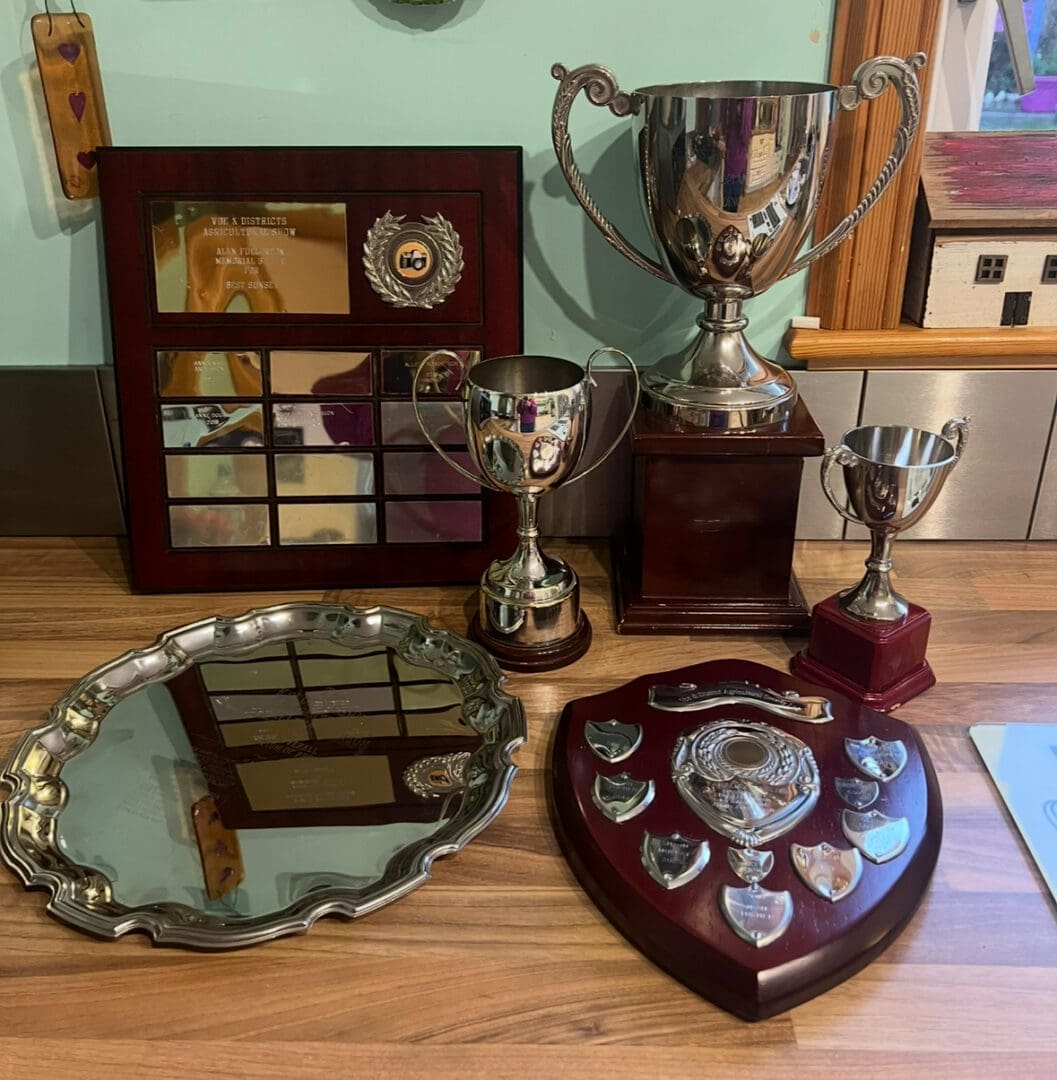
One of the categories I was really excited to enter was the photography competition. It has become one of my greatest passions, and I’m particularly proud of the images I’ve taken right here in Shetland, often just outside my home and captured on my iPhone 11. For the Voe Show, I entered categories such as coastal scenes, sunsets, and Shetland landscapes, with my photograph of a Shetland sunset captured from my garden earning me the “Best Sunset” trophy for the second consecutive year. The competition was strong, so winning this trophy again was really special. I would also like to give a peerie shoutout to the Camera Centre in Lerwick where I print all my photos. 

At the Cunningsburgh Show, my underwater photograph of Dahlia Sea Anemones won the overall award – a surprising but incredibly rewarding result. Many people didn’t realise what the photo depicted, often mistaking the sea anemones for flowers, so I was thrilled that the judge recognised the true subject.

In addition to photography, I also entered various flower arrangements and produce categories. This year was my first attempt at creating a vegetable character for the Cunningsburgh Show, which was a fun experience. I also entered individual vegetables and a collection of outdoor-grown produce, adding a taste of Shetland’s to the shows.

Art is another passion of mine, and I entered several pieces in the painting, drawing, and jewellery categories. The standard of exhibits at both shows is incredibly high, and it’s always inspiring to see the talent on display. The modern version of a grandfather clock at the Voe Show this year was particularly stunning—an example of the creativity that’s present in our islands.

While it’s easy to get caught up in the excitement of creating entries to the shows, it’s important to acknowledge the tremendous amount of work that goes on behind the scenes. From organising entry schedules and finding judges to setting up tents, allocating trade stands, and coordinating prize-giving ceremonies, the effort required is immense. To streamline the entry process, Cunningsburgh Show’s organisers have even created an amazing website for online entries and payments, a project that took over 500 hours to complete! Having been a judge for the arts and crafts section at The Walls Show, I truly appreciate the hard work that goes on behind the scenes – it was an honour to be involved. 

I’m delighted that my love for these shows is something I share with my family. My 13-year-old son also took part this year, earning first prize for his drawing of an eagle, resulting in a special feature in the Shetland Times. The excitement about what he might enter next year is high, and I’m proud to see him following in my creative footsteps.

Participating in the Cunningsburgh and Voe Shows is always a highlight of my summer. The experience is not just about competition; it’s about celebrating the incredible talent and creativity that thrives in Shetland. Whether it’s through photography, artwork, or even vegetable characters, these events remind me of the magic of creativity and community.

As summer winds down and the visitors to my studio slows, I look forward to winter – a time for developing and creating new items for my business. I’ve already turned my winning sunset photo into a greeting card and plan to create more framed prints from my photographs. You can buy my award-winning Dahlia Sea Anemones Photo Print here. 

My studio will remain open until the end of September, and then I will revert to my winter opening hours, which are by appointment only. Please do get in touch if you would like to arrange a winter visit. 

Posted on — Leave a comment

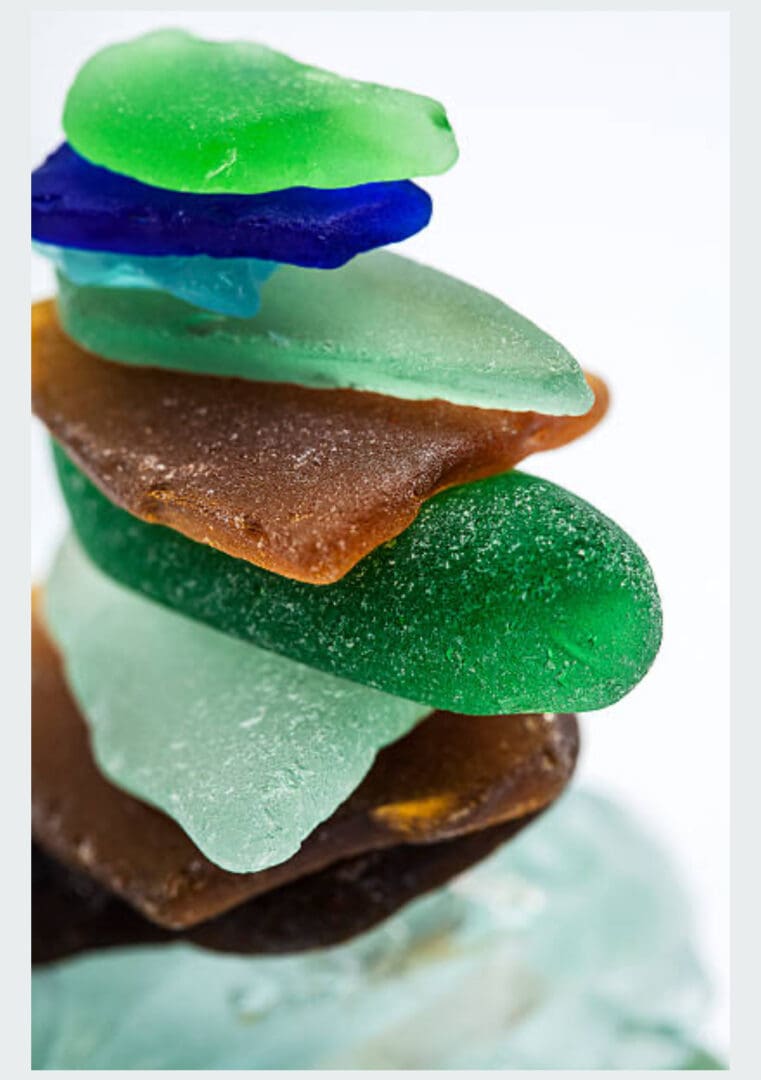
Shetland sea glass treasures

Sea glass, often referred to as “ocean gems,” holds a mystique that captivates beachcombers and artists alike. Each shard tells a story of its own, a tale of transformation from discarded waste to a treasured gem.

My fascination with sea glass began at a young age, wandering the shores of Shetland and Orkney, collecting fragments of colour that had been sculpted by the relentless churning of the waves. Sea glass is often the result of broken bottles, tableware, or items from shipwrecks. I once found a red piece that turned out to be a fragment of a vintage car’s headlamp. The transformation of glass into smooth gems is a gradual process involving the relentless churning of waves and abrasion from rocks and sand along the shoreline. It can take years, or even decades, for sea glass to develop its distinctive smoothness and lose all rough edges, depending on the tidal conditions.

The beaches of Shetland offer a myriad of treasures; each offering a unique assortment of stones determined by its geology, ranging from sand to shells, stones, or boulders. The variety of textures influences the size, shape, and availability of sea glass; some beaches yield larger pieces while others only have small fragments. When searching for sea glass for my artwork, I choose a beach based on the specific sizes of pieces I require.

For example, when I needed small pieces for a recent project – like creating earrings – I visited Sandsayre in Sandwick where I could find the right size of sea glass. It’s worth noting that sea glass is considered discarded human waste, which means it can be freely collected from beaches throughout the UK.

As a collector and artist, I meticulously sort through my collection, cleaning each piece with care in warm, soapy water before arranging them by colour. I place a special emphasis on preserving the natural beauty of sea glass, opting for a subtle polish with a touch of coconut oil to enhance their colours without losing their natural charm. For drilling holes into the glass for items like keyrings, buttons, and jewellery, I use a diamond drill bit. From earrings to keyrings, each piece of sea glass is transformed into a wearable work of art.

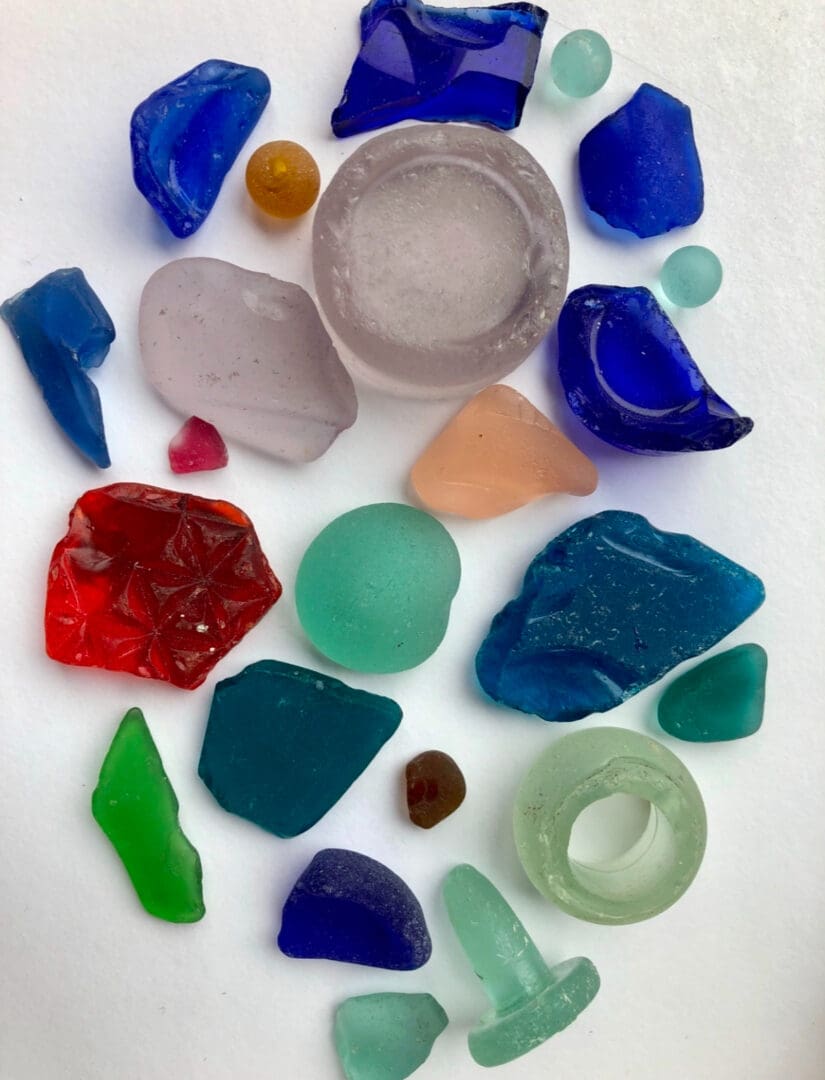
As I’ve collected sea glass over the years, I’ve become more particular about the colours I keep. While white, green, and brown are the most common, I love finding blues, and I am occasionally lucky enough to come across pink, yellow, or red shades.

In a bid to further establish my brand, I have embarked on the journey of trademarking my logos – Sarah Kay Arts and Island Sea Glass. I am passionate about establishing a unique and recognisable identity for my artwork, particularly now as it is stocked in various outlets across the UK. 

As I continue to explore the shores, searching for these forgotten gems, I am continuously reminded about nature’s ability to transform the ordinary into the extraordinary. Sea glass stacked up

Posted on — Leave a comment

Natural vs Synthetic Fragrance: What’s the Difference and why it matters

Fragrance is often the first thing we notice when we choose a skincare product. It can comfort us, uplift our mood, bring back memories or help us unwind at the end of a busy day. But not all fragrances are created in the same way.

Synthetic fragrances are widely used in commercial skincare because they are cheaper to produce, highly consistent, long lasting and easier to scale for mass production. However, a single synthetic fragrance can contain dozens- sometimes hundreds- of chemical components, many of which do not need to be listed individually on ingredient labels (due to being protected as a trade secret recipe).

Synthetic fragrance is designed primarily for smell, not wellbeing. For some people, synthetic fragrance causes no immediate issues. For others, it can be a trigger for headaches, skin sensitivity or irritation.

Natural fragrance, when used correctly and safely, works with the body rather than overpowering it. Essential oils interact with the limbic system – the part of the brain responsible for emotions and memory- which is why aromatherapy can feel deeply personal and effective.

That said, natural does not automatically mean risk-free.  Essential oils are powerful ingredients and must always be properly diluted, thoughtfully blended, used with respect and knowledge and when when formulated responsibly, they offer a more holistic sensory experience.

At the heart of my products is the belief that fragrance would do more than simply smell nice.

Every blend is created with intention – to calm, uplift, ground or restore balance.  Instead of masking the senses, natural fragrance invites you to pause, breath and reconnect.

Whether you prefer natural or synthetic fragrance, awareness is the key. Reading labels, understanding ingredients and knowing how fragrance is used allows you to choose what feels right for you.

For me, natural fragrance represents simplicity, integrity and purpose.