Posted on — Leave a comment

Lovely message!

It’s always heart-warming to receive a lovely message from a customer who has taken the time to write 🙂

Hi Birgitte,

Just a quick message to say –
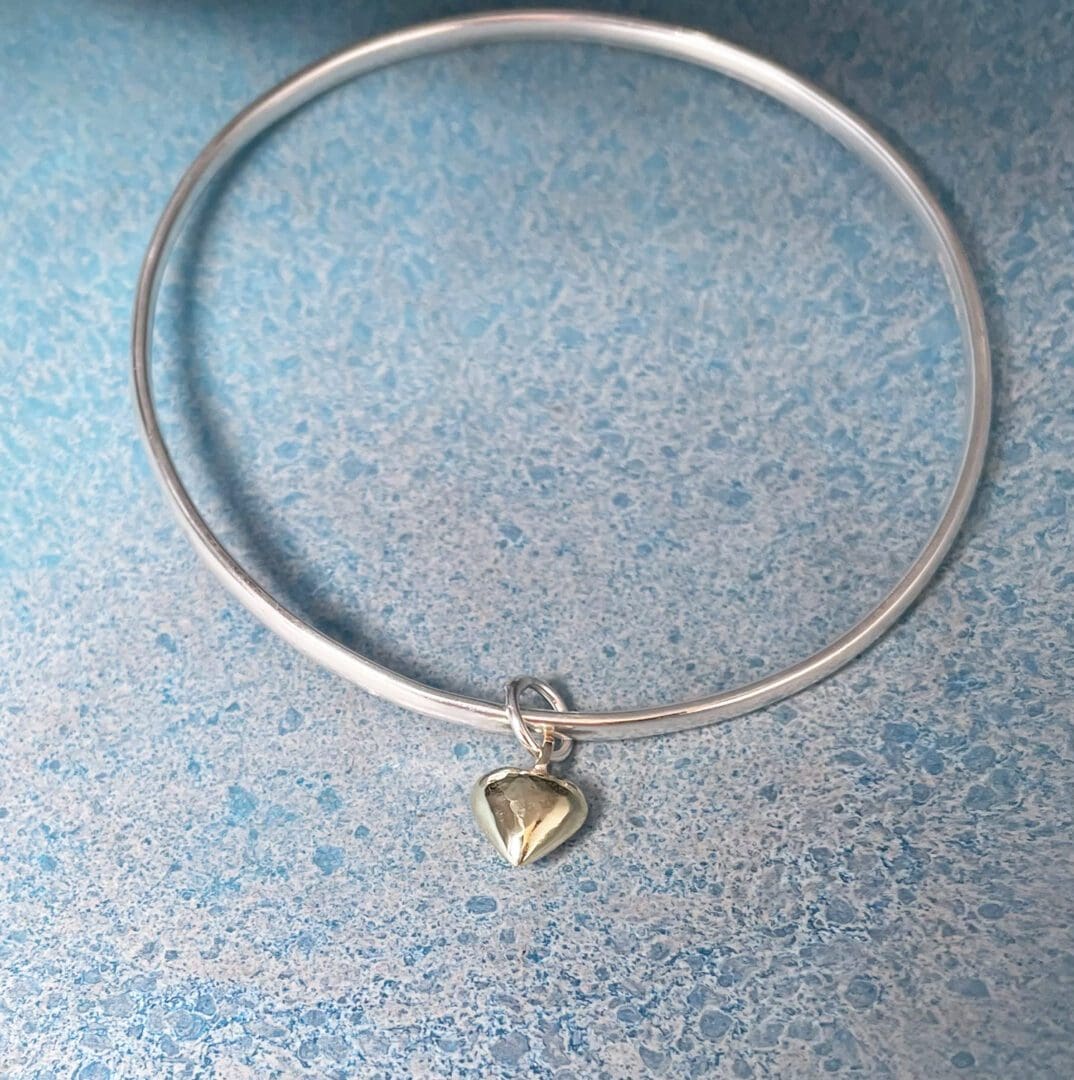
I’m really pleased with the Sterling Silver & Solid Gold Heart Charm Bangle I purchased the other week via The British Craft House website.
It has a really lovely & well made finish.

Many thanks & all the best – Eliethia

silver bangle with gold heart
Posted on

Selkies: Scotland’s Mysterious Seal-Folk and Their Timeless Tales

The rich folklore of Scotland is filled with captivating stories, but few are as enchanting as the legend of the selkies—shapeshifters who move between the worlds of sea and land. These mythical creatures, found in the folklore of coastal Scotland and the Northern Isles, are said to live as seals in the ocean but shed their skins to walk on land as humans.

The Tale of the Selkies

According to legend, selkies are creatures of extraordinary beauty when in human form. Their stories often revolve around love, freedom, and longing. A recurring theme in selkie folklore is the tale of a fisherman or islander who steals a selkie’s seal skin, binding them to land and often forcing them into marriage. Without their skin, a selkie is unable to return to the sea, yearning for their true home.

Yet, the sea always calls. In many versions, the selkie eventually finds their hidden skin, reclaiming their freedom and returning to the ocean, even if it means leaving loved ones behind. These bittersweet tales reflect a deep connection to the sea—a symbol of both mystery and escape.

What Selkies Symbolise

The legend of the selkies is thought to reflect the human relationship with the natural world, especially the sea. The ocean, like the selkies themselves, is both alluring and untamable. In many ways, selkies personify the duality of freedom and belonging, a theme that resonates with those who feel a deep connection to nature.

Selkies are also a reminder of life’s impermanence. Their stories speak of fleeting beauty, love that cannot be held, and the power of home—whether on land or in the depths of the sea.

How Selkies Inspire My Work

As a jewellery designer deeply inspired by Scottish folklore, the selkies’ tale holds a special place in my heart. Their duality—the balance between land and sea, freedom and captivity—mirrors the contrasts I explore in my designs.

My Beachcomber Collection, for instance, captures the magic of the ocean through its textures, shapes, and colours, while my Paradox Collection reflects the idea of duality seen in selkie lore. Each piece is a celebration of the beauty and complexity of nature and the stories that connect us to it.

Explore the Magic

The legend of the selkies reminds us of the beauty of transformation and the power of the stories we carry with us. Whether you’re drawn to the ocean’s allure or captivated by the magic of Scottish folklore, I invite you to explore my collections and discover how these tales live on through jewellery inspired by nature and myth.

Discover the Beachcomber Collection
Discover the Paradox Collection
Posted on — Leave a comment

Twelfth December and a Happy Business Anniversary

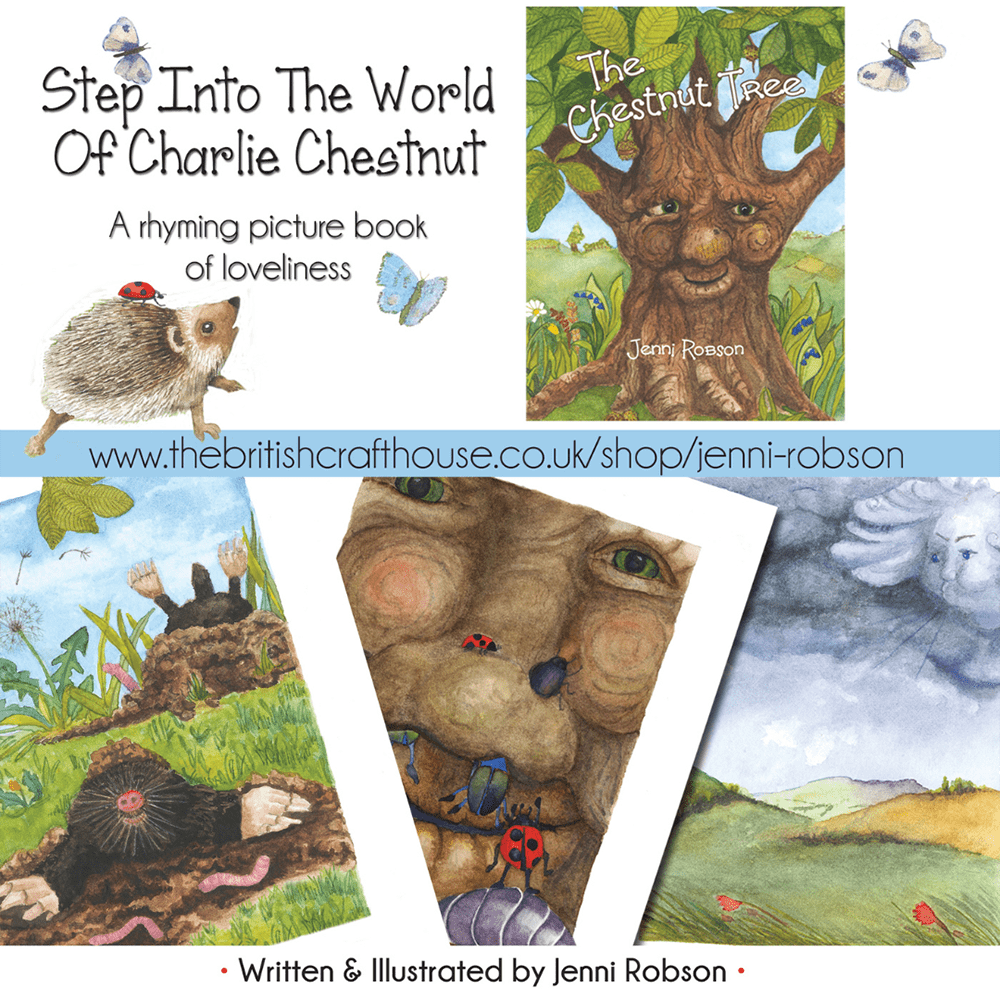
Business Birthday offer on The Chestnut Tree Book by Jenni Robson

Hello again and Happy Birthday to my little business!


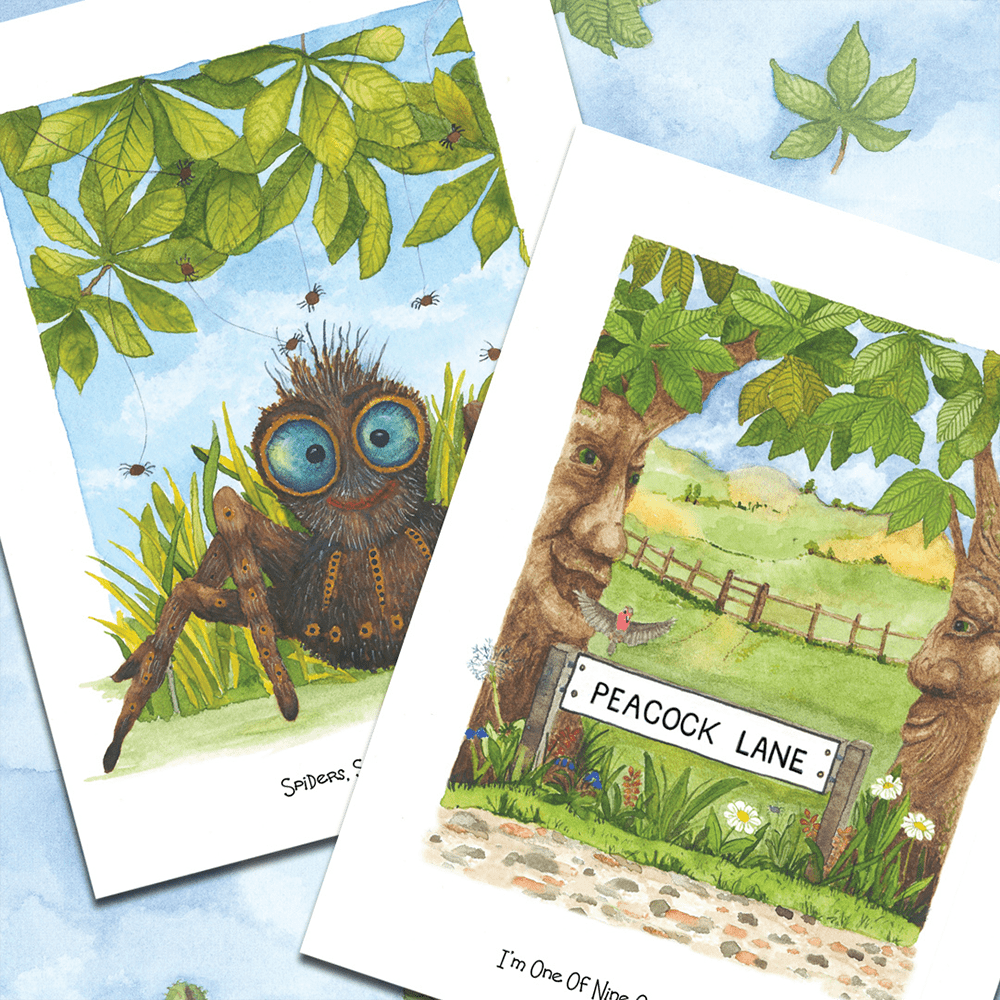
Tomorrow, twelfth December is the anniversary when I launched my business 8 years ago and I thought I’d celebrate with you by offering one of my biggest achievements – my rhyming picture book, ‘The Chestnut Tree’ at a discounted price of £6.99 but just for one day only. So you will need to be quick if you want it at this price. It will make a lovely Christmas stocking filler for young children.

And I will still be donating 10% of the profits to tree planting.


It’s a rhyming book of loveliness full of colourful pictures of Charlie Chestnut Tree and his wildlife friends suitable for young children or those with reading challenges. The idea for the book came from my walks in a fabulous little park lined with trees near my home in Market Harborough, Leicestershire, UK. They are beautiful old trees that kids (and adults too) love, especially when the chestnuts drop to the ground. The rhyme came first and then I thought I’d do a few watercolour paintings and got completely carried away. It seemed only right that I created a book.. and here we are!

The book gave me immense joy to produce and I hope that you will see the love and attention on each and every page. I’ve taken it into schools, local libraries and given talks on my book journey. A great adventure for sure, long may it continue.


Till next time

Jenni x


Posted on — Leave a comment

The Mythology Behind the Paradox Collection
The Paradox collection draws on the ancient symbolism of duality that resonates throughout Celtic and Scottish mythology. At its core, it explores the tension between opposites—chaos and calm, war and peace, fire and ice—offering a visual and spiritual representation of life’s complexities.

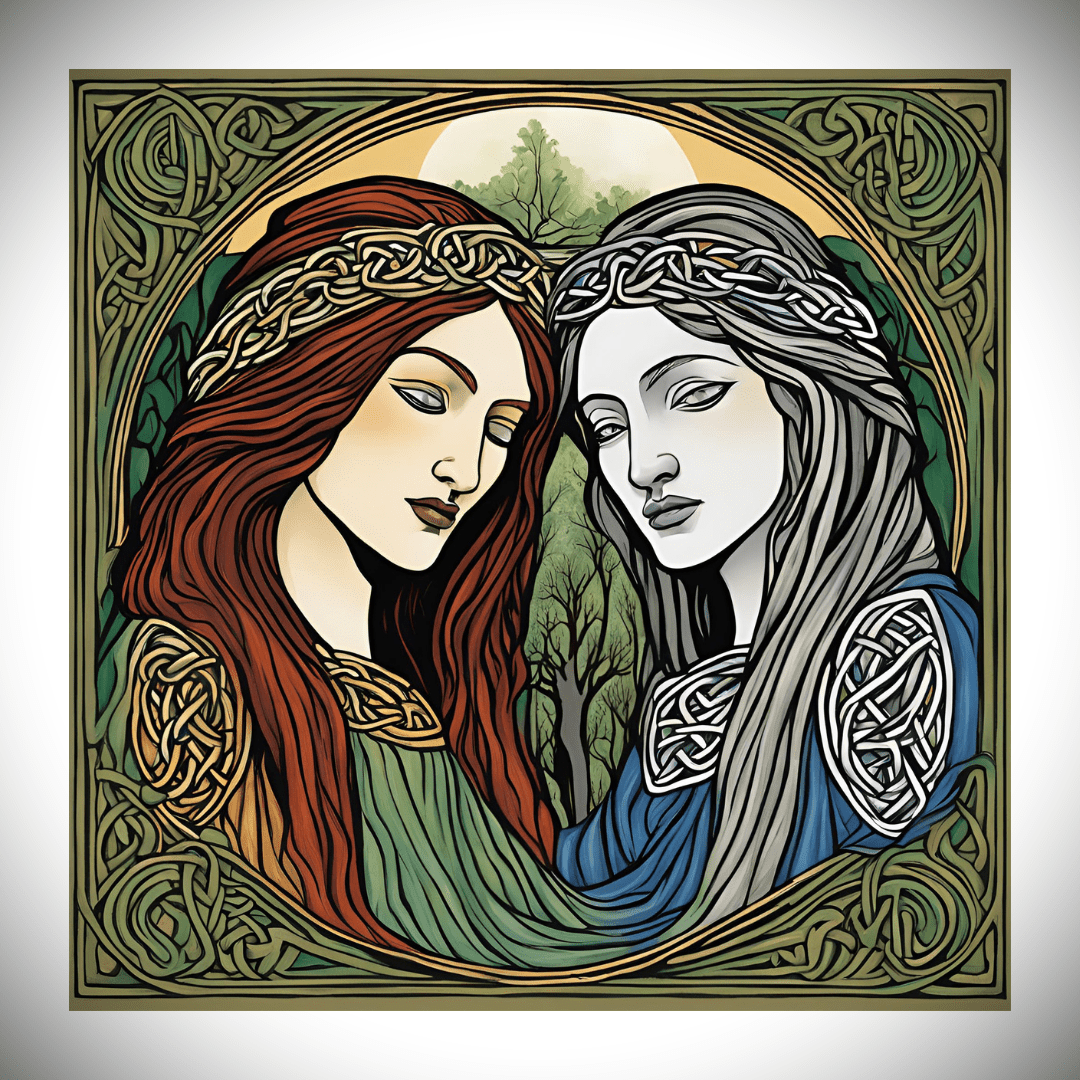
Take, for example, the powerful figures of Cailleach and Brigid, both central to Celtic folklore. Cailleach, the winter goddess, embodies transformation and the wild, untamable forces of nature. In contrast, Brigid is a goddess of hearth, healing, and fertility, symbolising warmth and light. Together, they represent the balance of opposing forces that shape the world around us.

The Paradox collection reflects this ever-present balance through its combination of rough and faceted stones, designed to remind us that strength often lies in embracing our contradictions. The stones in each piece are chosen not just for their beauty, but for their symbolic resonance—stone and light, shadow and shine, chaos and calm.

By wearing pieces from the Paradox collection, you are invited to reflect on the complexities of your own life and find beauty in the contrasts. Each design is a tribute to the idea that power is not simply about being one thing, but about navigating the spaces between.

Posted on

Jenni Robson Business Birthday Offer

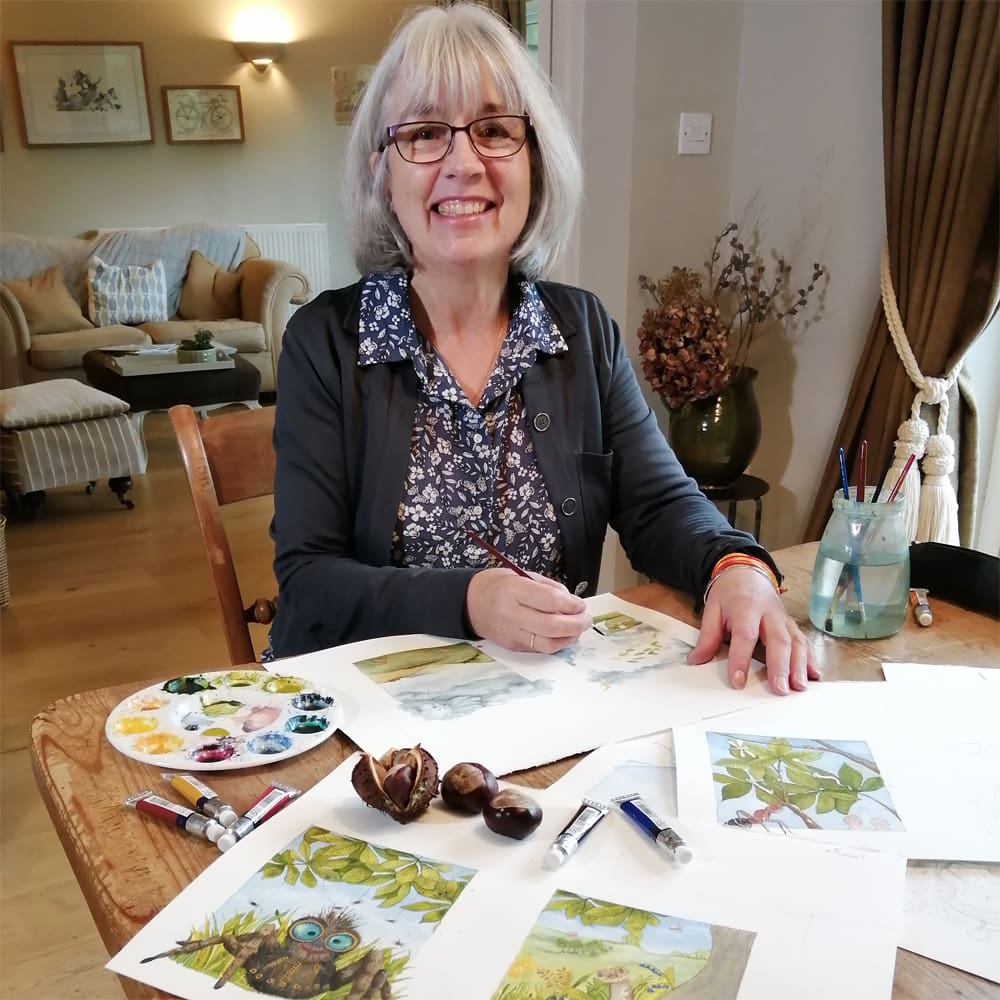
Jenni Robson painting wildlife watercolours

Hi everyone, and thanks for stopping by!

I’m Jenni Robson: a proud silver surfer (of life, not water – never tried surfing, though I’d love to!), artist, author, designer, and maker with a butterfly mind. I live and create in the charming town of Market Harborough, Leics—about as far from the sea as you can get! My passion is creating, and over the years, I’ve gained many skills, from watercolour painting, sewing, and printing, to ceramics, graphics, and silversmithing.

This month marks a special milestone: I’m celebrating my eighth business birthday, which began on December 12, 2016! To share this joy, I’m offering a few discounts in my shop, just for this month. Christmas is such a magical time, but I know it can also be financially challenging, so this is my little way of giving back.

Featured Product: Wall Hangings 
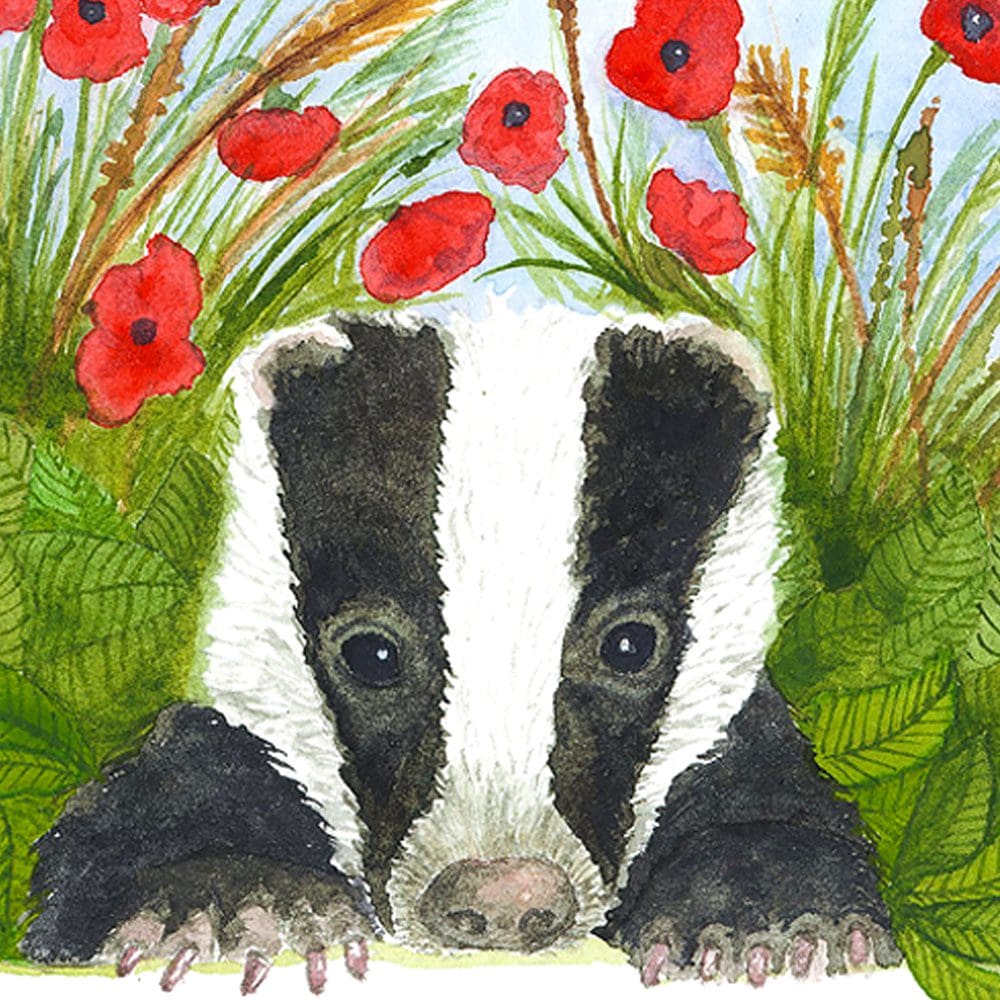
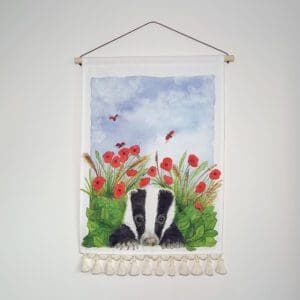
Check out my collection of wall hangings on offer in December! They’re perfect for children’s rooms, bathrooms, or living rooms. (I have the badger and poppies wall hanging in my own lounge!) Each design starts as an original watercolour painting:

Badger & Poppies water colour print
Young badger cub print showing close up detail of the painting.
Contemporary cotton wall hanging with decorative pale cream tassel details, a wooden hanging pole and waxed brown cotton hanging chord. Featuring a young badger peeking out of the poppies and leaves
Badger and poppies wall hanging
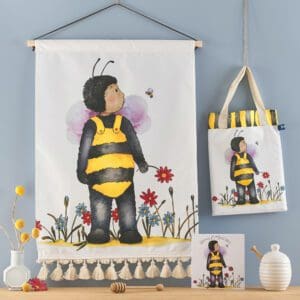
Bumble bee cotton wall hanging with a bee book bag and greeting card
Bumble bee illustration available as a wall hanging, book bag and greet card

The painting is carefully scanned and artwork created by myself. It is then sent off for printing on heavy cotton fabric. I finish each piece by stitching it onto a wooden pole with a hanger and adding a cotton tassel, giving it a contemporary, soft-touch feel compared to traditional picture frames.

These wall hangings are a beautiful, unique way to add charm to any space. A quote ref: Trust Pilot, from one of my very happy customers:

Wonderful Wall Hanging

“I ordered a wall hanging over the weekend, it arrived today (Tuesday) by signed for deilvery. It was amazingly and beautifully packaged and I’m sure it was made and looked after with love. Jenni kept in touch with me before and after posting so I was looking forward to receiving it. The item is just what I was looking for (before I knew it myself) perfect for what I wanted. Thank you Jenni”

Posted on

About Jewellery handcrafted by Pauline

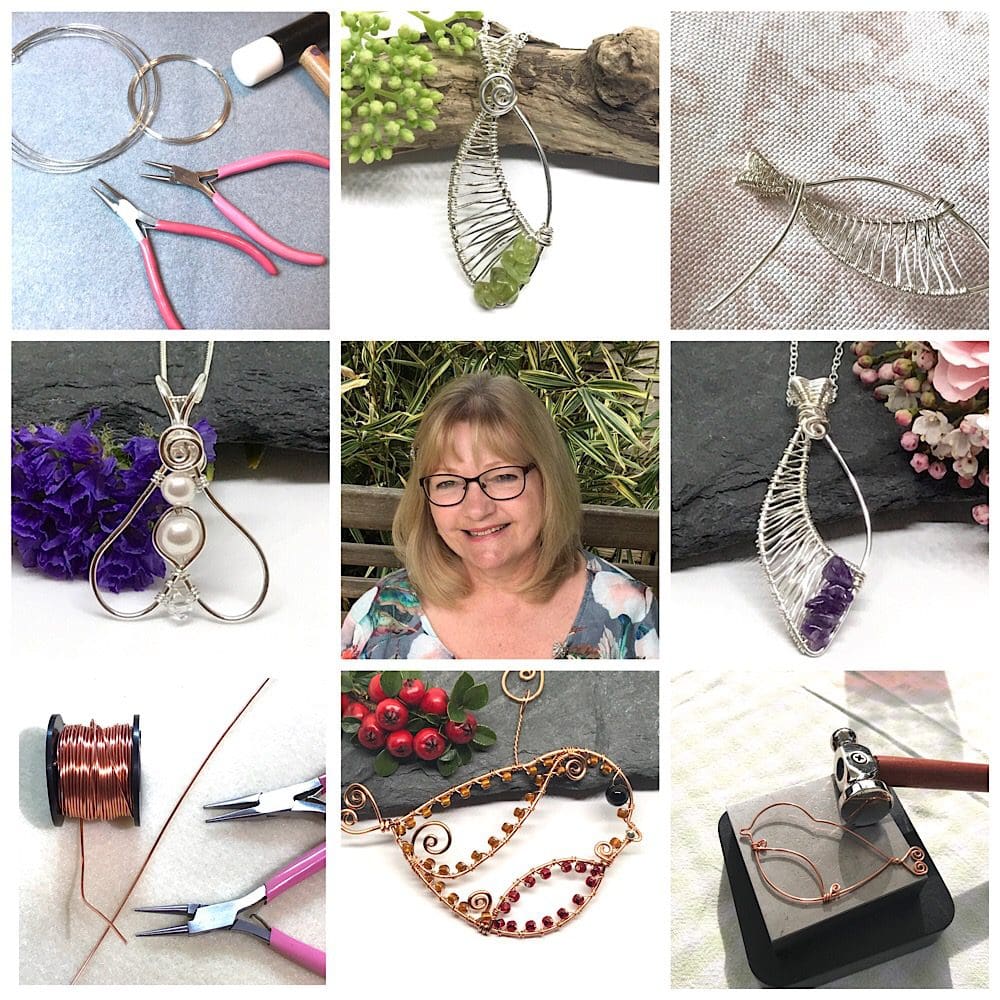
Hi, I’m Pauline, I love to make jewellery and creating new designs. All my jewellery is designed and handcrafted by me from my home in Cheltenham using intricate wire-wrapping and weaving techniques. 

Wire wrapping is one of the oldest techniques for making jewellery.

I have always loved jewellery and a few years ago I attended wire jewellery making courses at my local college. I absolutely loved the courses and became totally hooked.

I was amazed how beautiful and intricate jewellery could be made using wire and beads and a few jewellery making tools. There is no soldering or heating of  metal in this method of jewellery making.

My jewellery and decorations are individually created  using wire wrapping and wire weaving techniques. I use a variety of materials including sterling silver wire, silver filled wire,  copper wire, silver plated fixings and a variety of beautiful beads. 

My designs are often inspired by nature, I find the shapes in nature amazing. Among my pieces you will find leaf shapes, flowers, dragonflies, bees, and birds. I also love to make hearts.

When I have a design in mind I will sometimes but not always make a very rough sketch. I take a length of wire either .8mm or 1mm wire and begin to shape the wire using jewellery making tools and mandrels. Once I am happy with shape I will gently hammer with a chasing hammer on a steel block to harden and strengthen the wire shape. I use .4mm wire to create wire weaving designs or to add beads.  The wire is finished with a burr tool to smooth and a wrapped loop to secure. The completed piece is gently polished with a polishing cloth.

I hope you enjoy browsing in my shop and if you have any questions please contact me.


Posted on

Beginning, 26 November 2024

Welcome

We are Lucy and Roy artists and designers working in the UK. On this site you can buy examples of both our products and artwork.

Designs

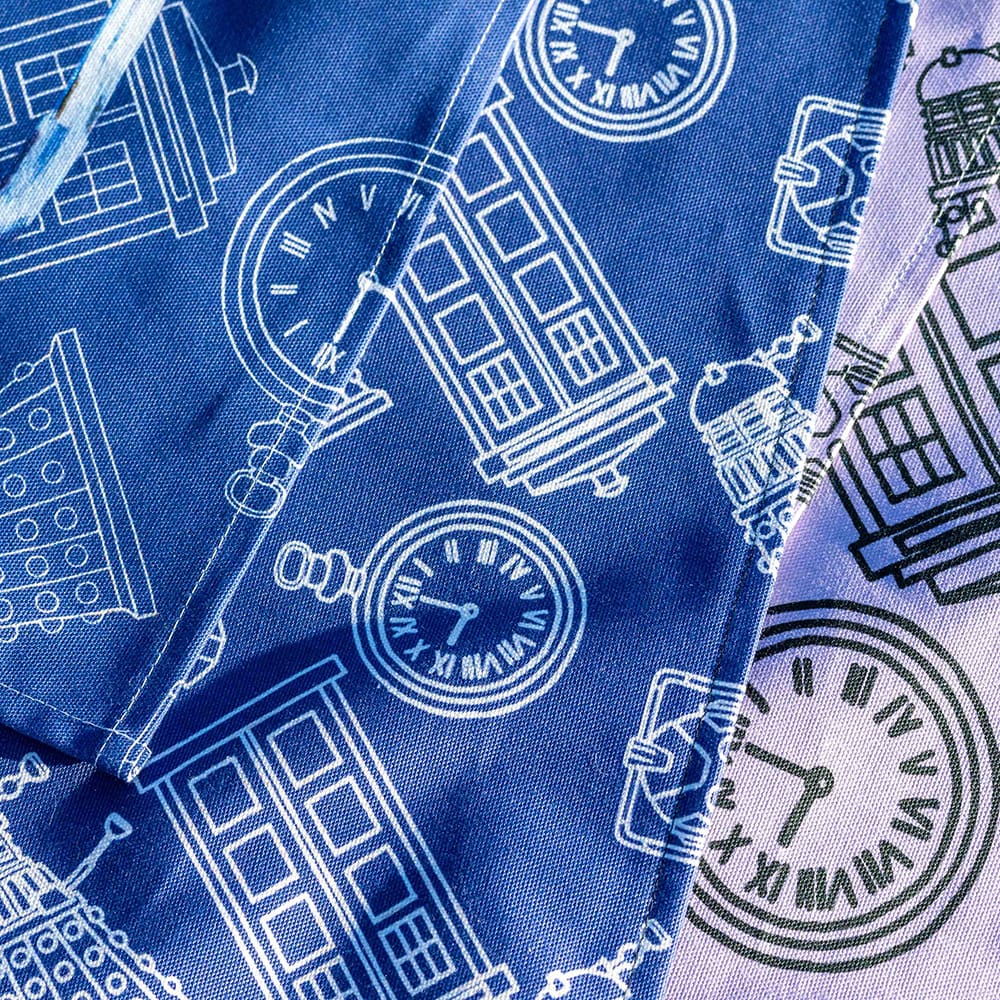
Cyberman inspired adult cotton apron on blue close up

Our product designs are often based directly on our art. We think of them as art. Our specialities and experiences are interior design and a little fashion.

We concentrate on UK manufacturing and these naturally cost a little more than those produced from cheaper sources. Our goods are either handmade by us or produced by small UK businesses. When an item is not in stock there maybe a small delay in dispatch as we check all goods ourselves before sending them out.

Art

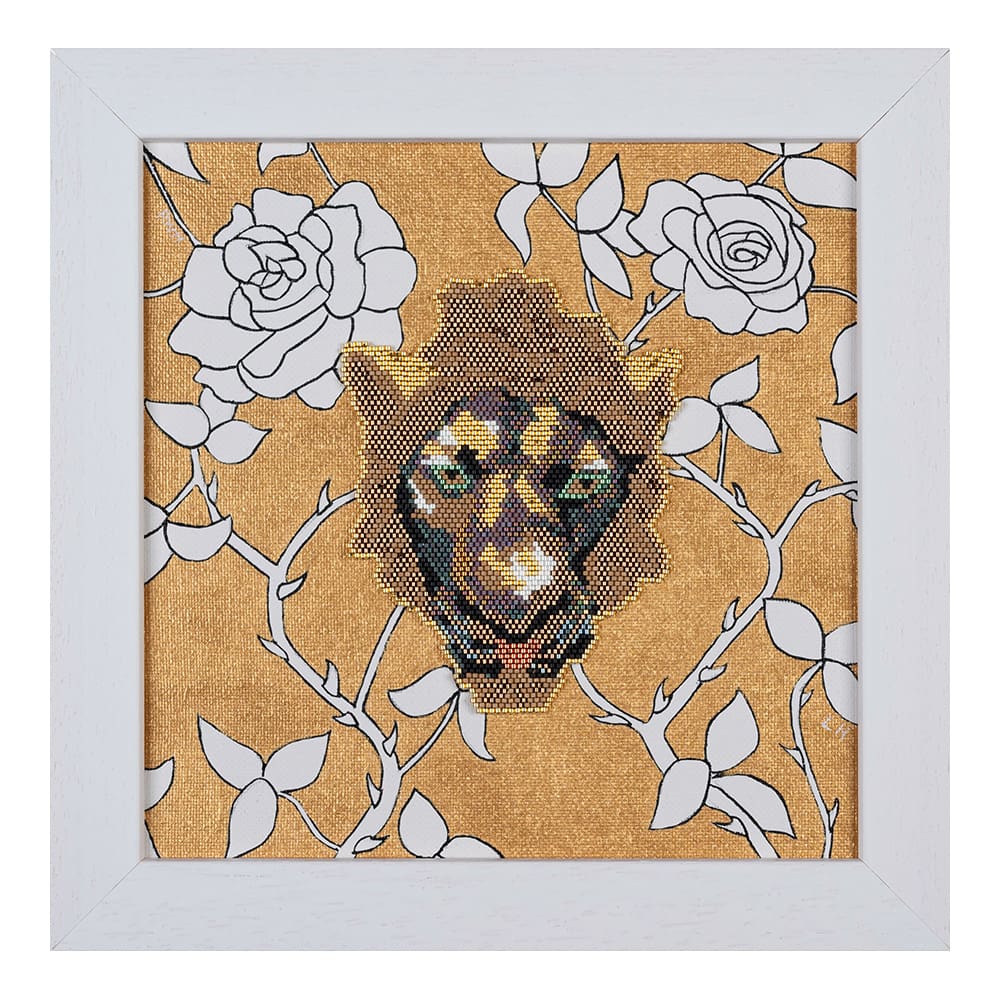
Original art painting lion head arts and crafts beadwork

Our art has a slightly surreal element and sometimes a pop art element. It consists of acrylic paints and glass beads, prints and watercolours. The fine glass beads are hand woven and pieces can contain many thousands of beads. Our canvas prints and frames are made by us again by hand.

Our art sells at exhibitions throughout the UK. You can also visualise our art by downloading an app which will let you place a painting in your room. Please contact us for details.

I hope you will enjoy our work,

Lucy and Roy.

Posted on — Leave a comment

Some of My Own Handmade Bags

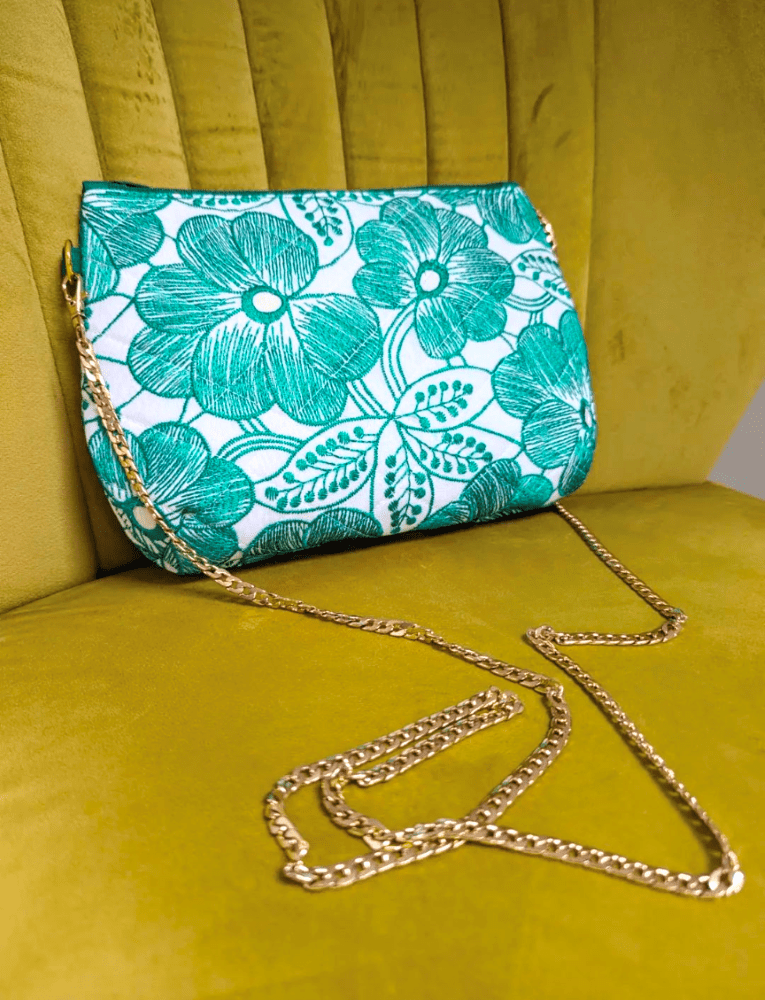
Floral shoulder bag in white and green with a gold coloured chain

Hi All, Welcome to a new blog post! 

As you may have figured out by now, I love to sew clothes and bags and spend a lot of my time doing just that!  Most of the evening bags and make up bags that I make now go into my shop here on The British Craft House but there are some that I make just for myself.  Today I thought I would show you three of my favourite bags that are in my own collection and tell you the inspiration behind them.

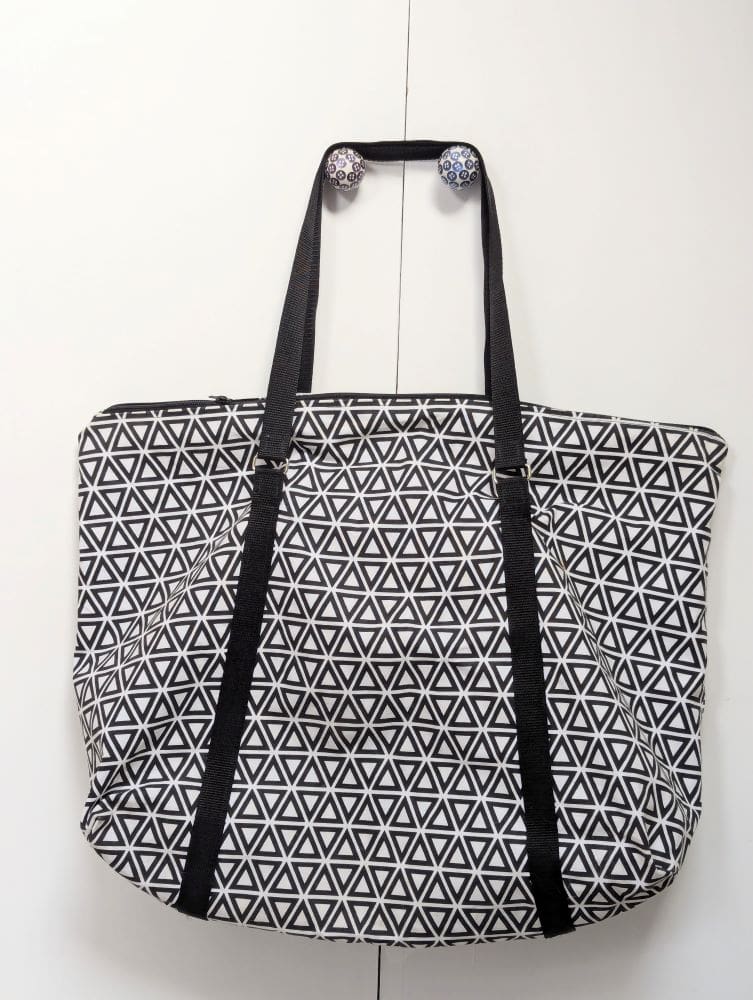
Large black and white weekend back

1 – This one is a very functional bag which has got so much use over the years.  It was made using the ‘Weekend Bag’ pattern from Sew Over It.  Its fully lined, has a pocket on the outside and has heavy duty handles.  It accompanies me on most of my weekends away as its perfect for carrying all my bits and pieces that don’t go in my suitcase.  I’m talking laptop, power cables, magazines, extra toiletry bags.  It’s made out of a cotton canvas with a leather backer interfacing and is very hard wearing.  If you’re also handy with a sewing machine and looking to make a useful, capacious bag for your next get away, I would definitely recommend this pattern.

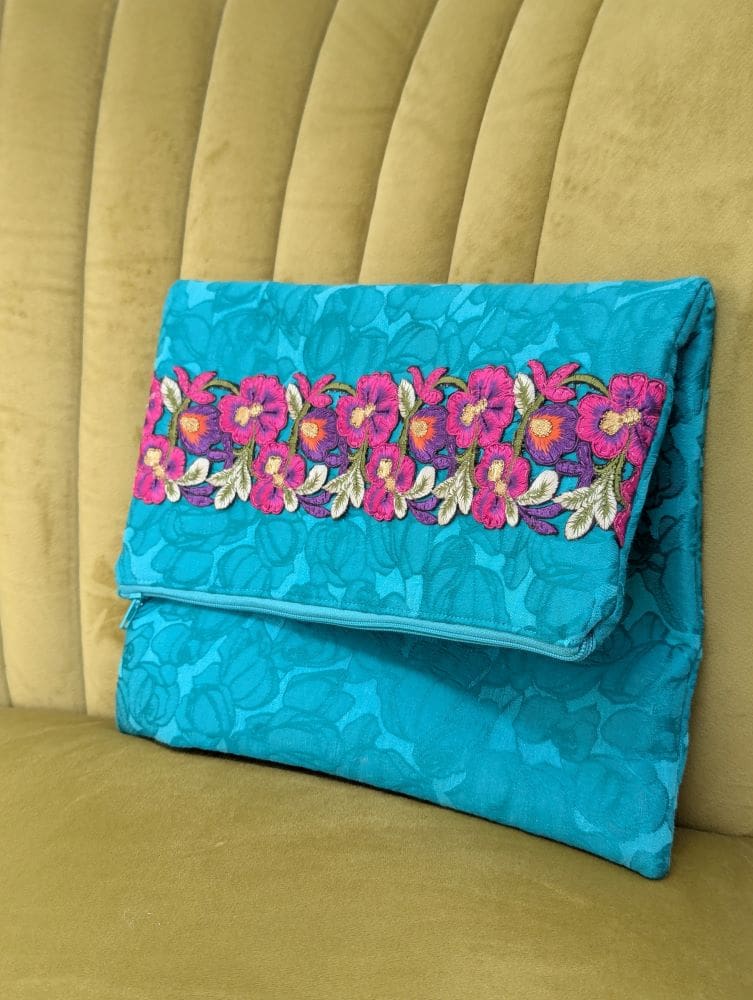
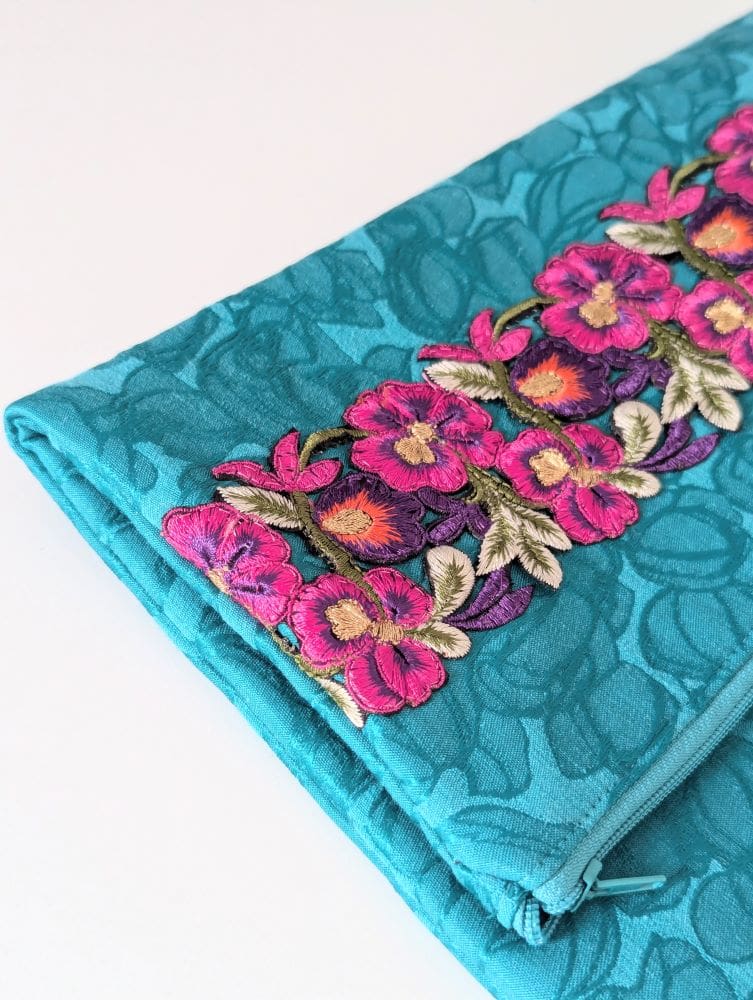
Handmade green foldover clutch bag with beautiful floral trim embroidered on the front

2 – This is a simple, self-drafted, fold over clutch bag which I made to go with a dress that I had made to wear for my cousin’s wedding back in 2017.  I used the fabric scraps from that dress at the time and added a piece of stunning floral trim onto the front, stitched on by hand.  I really enjoyed using it for the wedding and even though I haven’t used it many times since because it’s more of a special occasion bag, it still remains one of my favourites.

Handmade green foldover clutch bag with colourful floral trim

3 – The third bag is one made using the Beiing bag pattern from Pink Pony Designs.  It’s the same design as several of the evening bags in my shop but this one was made from the fabric leftover from a dress that I made for my Mum’s special birthday afternoon tea party in July this year.  Its such a beautiful fabric that it deserved to be made into a unique bag for a lovely occasion which I will treasure.

Floral shoulder bag in white and green with a gold coloured chain

Which is your favourite design?  Do you think I should make fold-over clutch bags for the shop?  Let me know in the comments!

Posted on

Why wear handcrafted brass jewellery?

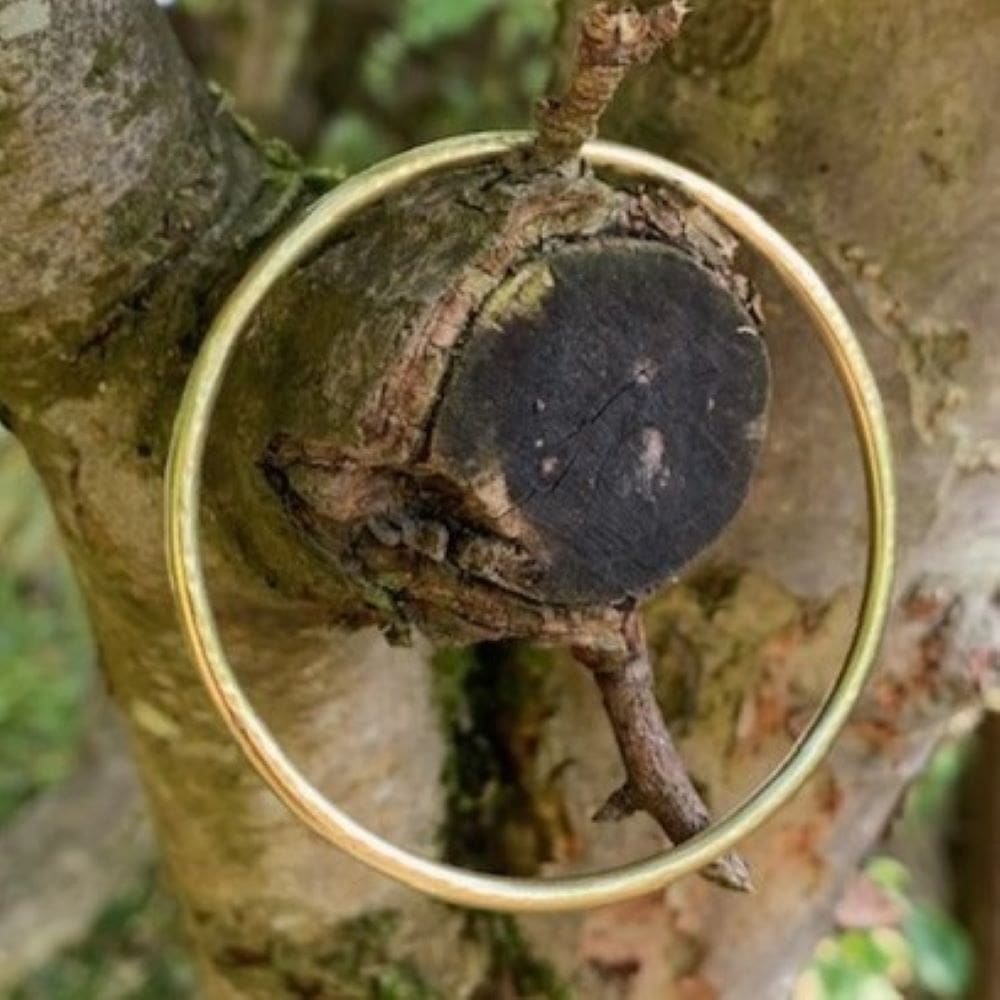
Textured Brass Bangle

So why is brass a popular choice for handcrafted jewellery?

Brass jewellery has been worn for thousands of years and can be traced back to the Neolithic period. The word ‘brass’ has been found in ancient texts and from the 8th to 7th century BC direct references to brass were found on cuneiform tablets. The use of brass started in Spain then spread to Britain then across to the Middle East. Brass then appeared in the East Mediterranean where is was used for military equipment and coins. With its affordability and durability and beautiful gold-like warm tones it is a popular choice for jewellery.

Brass is made from a combination of copper and zinc alloy and the gold-like colour depends on the ratio of copper to zinc. The colour of brass can range from dark brown to a silver white colour. To obtain the golden hue then the ratio must be 67% copper and 33% zinc.

Brass is one of the most durable metals around due to the copper element and can last centuries if properly maintained and stored. Copper will turn green over time due to oxidisation, so as it makes up around 60% of the brass, then brass will have a layer of greenish hue on its surface if it oxidises. This layer is called patina and it acts as a shield to protect the brass from corroding. It is easily cleaned off – see below.

There are benefits to wearing brass jewellery due to the amount of copper in it. It is believed to have natural antimicrobial and antibacterial elements and because of constant contact with the skin, skin absorb the copper which enters the body.  As mentioned above brass is composed of copper and zinc but to improve its quality sometimes a minute amount up to 1% of other metals, such as nickel and lead, are added. The result is that brass will have more of a shine and be more durable. Brass is very safe to wear although on occasion due to the nickel and lead there could be an allergic reaction, such as an itch or rash. However not all brass jewellery has any nickel or lead and is purely copper and zinc.

To keep brass jewellery looking as new always try to regularly clean your jewellery with a soft cloth after wearing. There are also easy ways to polish your brass jewellery:

  • 1.     Use a polishing metal cream such as glanol.
  • 2.    Use kitchen ingredients! You will need vinegar, salt, flour, warm water and a small bowl. Put 1 tsp of salt and ½ cup of vinegar in the bowl. Mix until the salt has dissolved. Add the flour and mix until you have a paste-like substance. Rub the brass jewellery with the paste and cover all surfaces. Leave for 10 mins then rinse with warm water. Gently dry jewellery with a clean cloth.

In conclusion, handcrafted brass jewellery with its warm golden hues offers many benefits including durability, versatility and affordability and is considered safe to wear. It requires minimal maintenance making it a lovely choice for those looking for stylish and long-lasting jewellery. It offers the opportunity to wear large statement pieces or little minimalist designs to suit every taste and occasion. Mix it with sterling silver or pure copper and you will have a lovely unique look!

Click here for beautiful unique brass jewellery


Posted on — Leave a comment

Some of my Dressmaking Projects

Hi Everyone!

Back again for my second blog post on The British Craft House! 

So as you may know if you have looked at any of the items in my shop, all of my bags are handmade from fabric scraps leftover from my dressmaking projects.  Dressmaking can be wasteful and when you cut out the fabric pieces for a particular garment, there is always some fabric leftover.  As a fabric lover, I hate to see any of it go in the bin, so I use these pieces to create the evening bags and make up and cosmetic bags that I sell in my   

shop.  Additionally, as a seamstress, I’m often given pieces of fabric which sometimes aren’t suitable for dressmaking, so I also turn these into bags to avoid wasting it.

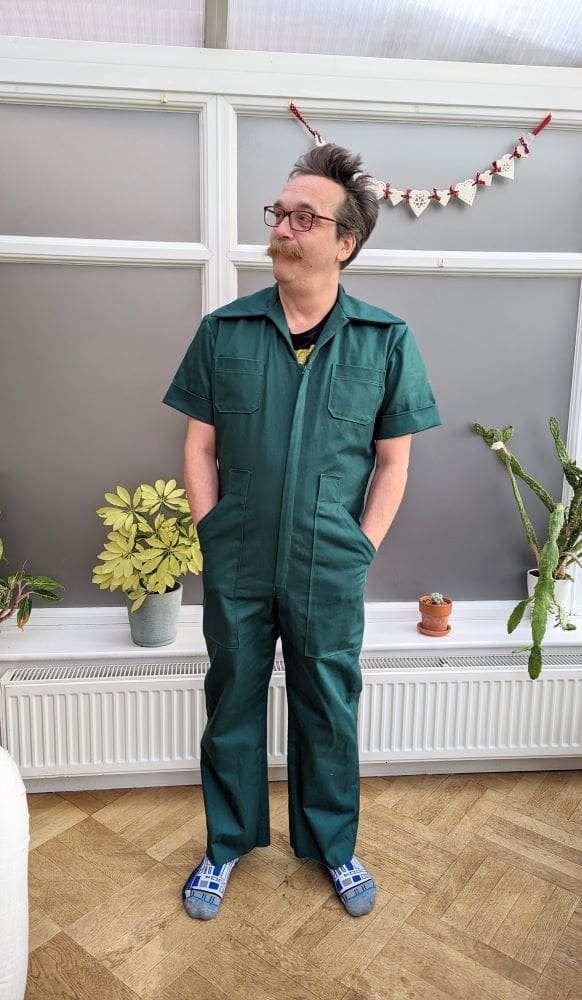
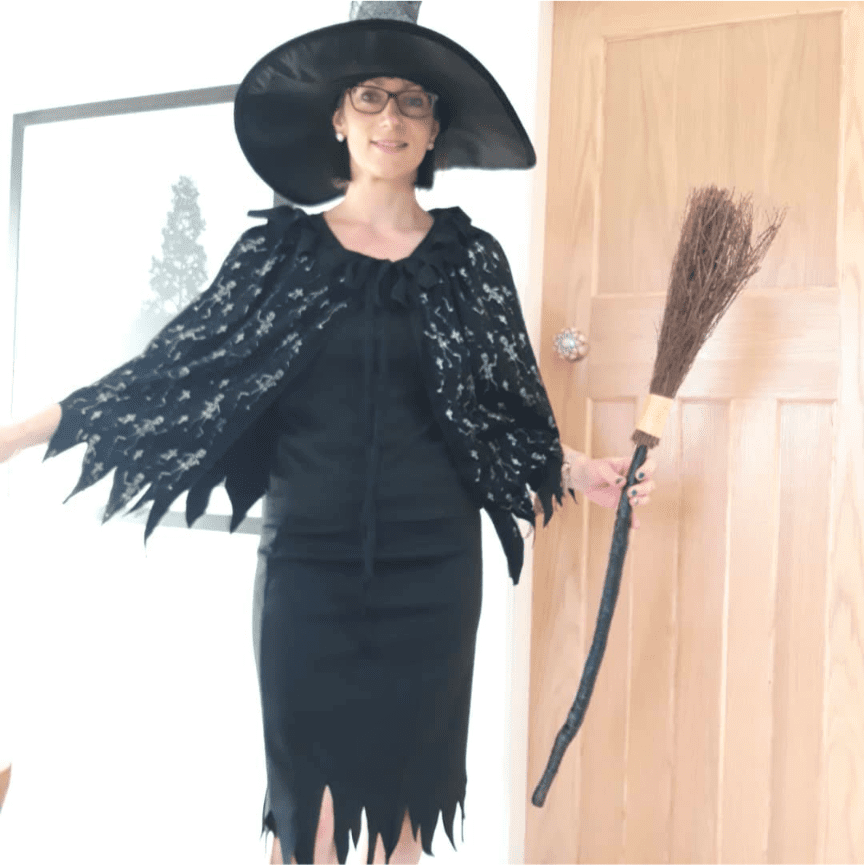
This is not only true for the outer facing fabric that you see on the outside of my bags but also applies to the inner parts as well.  The linings and also the interfacings (the bits that stiffen the bag and give it a good structure) often (but not always) also consist of various fabric scraps instead of traditional interfacing materials.  I thought you might like to see some of the clothes that I have made for myself, and one which I made for a friend, and see if you can spot the same fabrics in some of the bags in my shop!

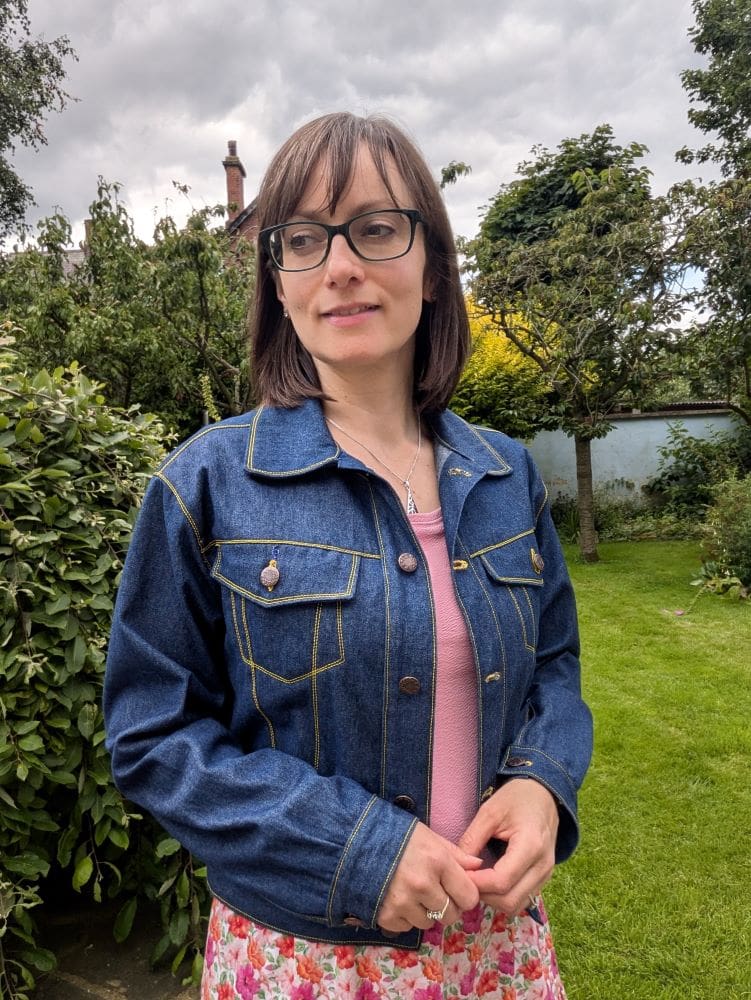
Woman wearing a denim jacket