Posted on — Leave a comment

Homemade Pottery Hump Mould

Hump mould (also known as a drape mould)

This is a convex mould, like the shape of the outside of a bowl, intended to take the clay on the outside, over the curve of the mould.
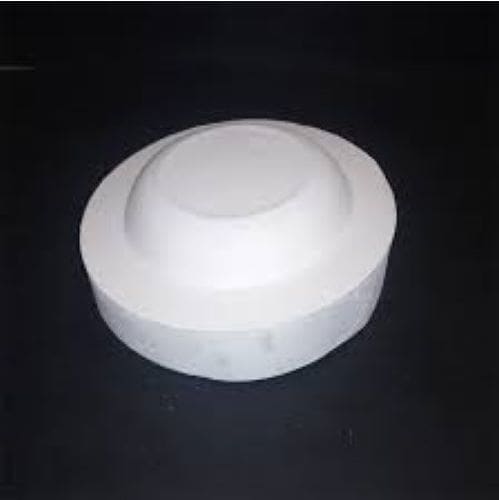
Commercial plaster hump mould

Studio hump moulds are usually commercially made from plaster of Paris. The clay is most commonly draped over the mould as a rolled-out slab.

The outside surface of the slab form is exposed, and the inner face of the slab is in contact with the mould. As the clay dries it will shrink tighter onto the plaster of Paris, so has to be removed before it dries to prevent cracking.


Homemade Pottery Hump Mould
Homemade Hump Mould

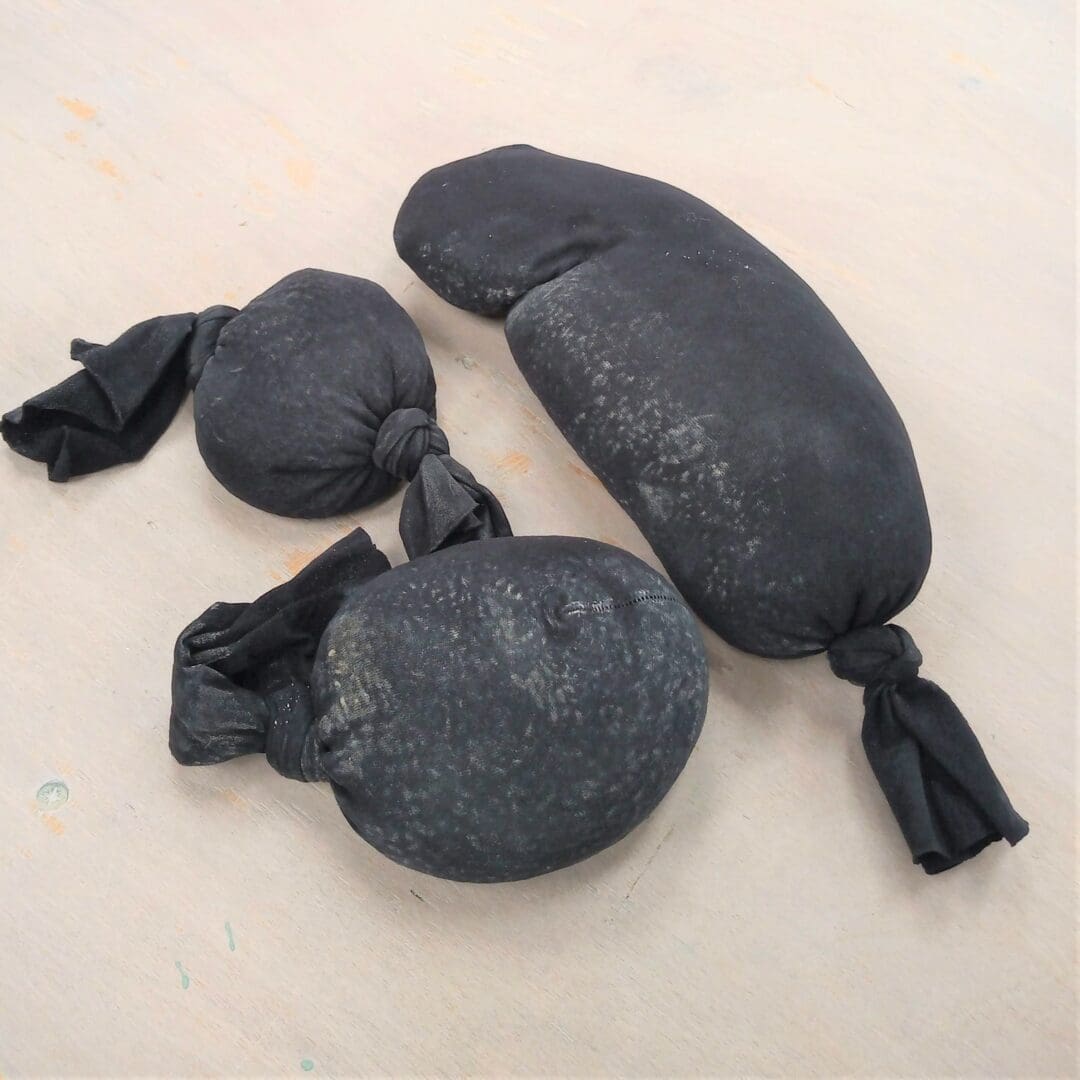
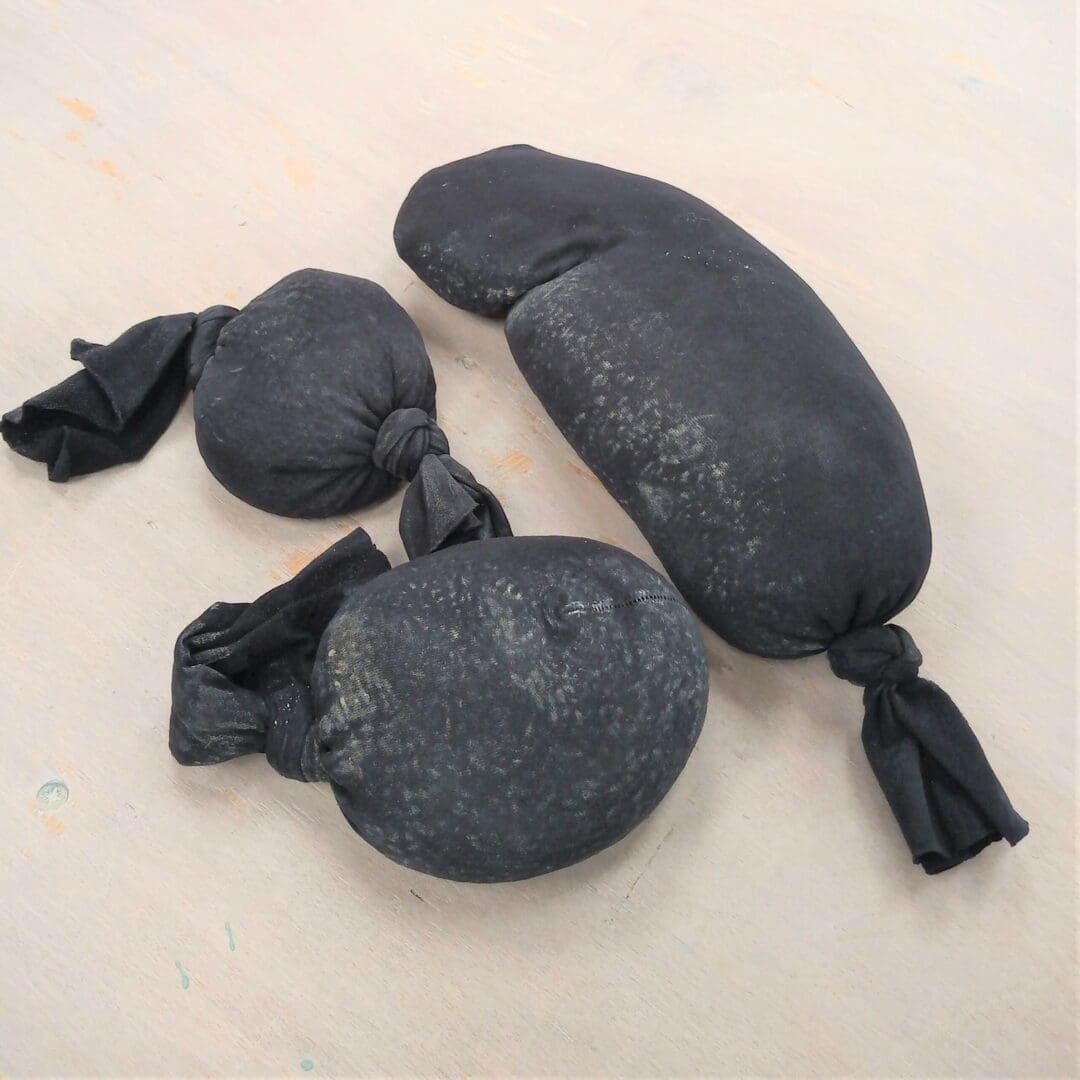
This is one way to make a homemade, versatile hump mould – you will need an old pair of thick tights and a large bag of cheap rice to make it.

The basic convex hump is made from lengths of tights, filled with rice and knotted at both ends – don’t stuff the sections to firmly, they should remain malleable. One or more sections can be arranged in any way you like on a wooden board, to give a pleasing shape. 


Hump Mould Dropped
Hump Mould Dropped

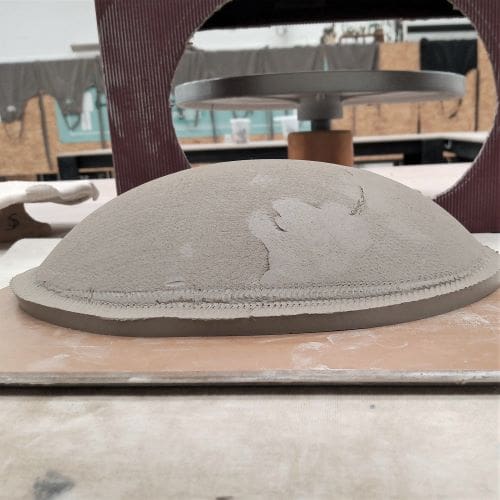
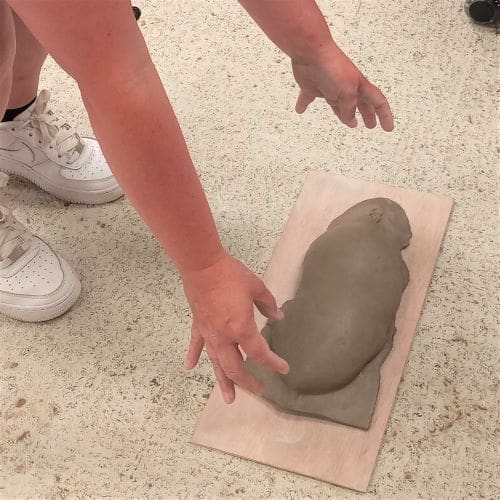
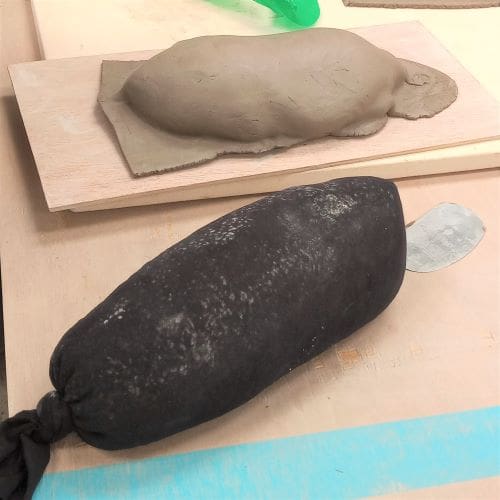
The clay is rolled into a slab, large enough to cover the hump form and laid over it. The board, with the rice-filled tights and clay slab is dropped flat onto the floor which makes the clay slab wrap itself around the form.


Hump Mould & Clay Slab

Once the clay slab has been left to firm up, the excess clay edges can be trimmed away and the rice-filled form removed, leaving your custom-made piece ready to decorate & finish!
Posted on — Leave a comment

Pottery Slump Moulds

Slump mould? This is an obvious term for a hand-building potter but may raise a few eyebrows in the uninitiated. I will first explain, then I will share with you a cheap & cheerful method to make a home-made slump mould.

Slump mould

This is a concave mould, like the shape of the inside of a bowl, intended to take the clay inside the curve of the mould.

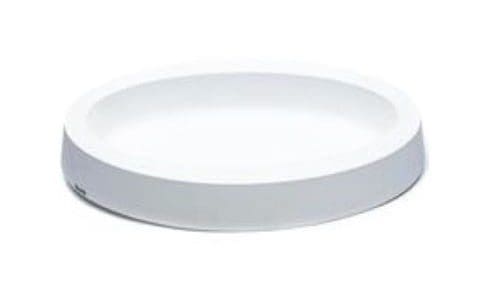
Usually in a pottery studio, a slump mould is made from plaster of Paris. The clay can be put into the mould as a rolled-out slab or as balls, spirals or strips of clay.

Commercial plaster slump mould

The inside surface of the slab form is exposed, allowing it to be decorated with underglaze, slip or impressed marks

The outer face of the slab is in contact with the mould, which will shrink away from the plaster of Paris as the clay dries.

Homemade slump mould

This is my version of a homemade slump mould …

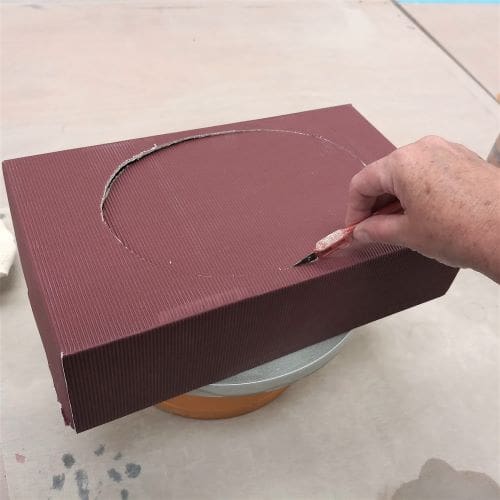
You will need a strong cardboard box & a sharp knife (plus of course your clay!)

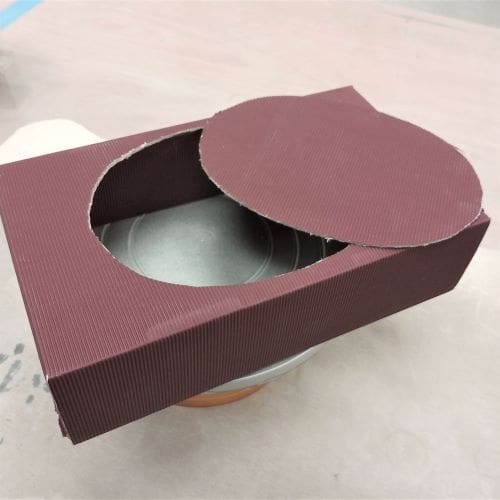
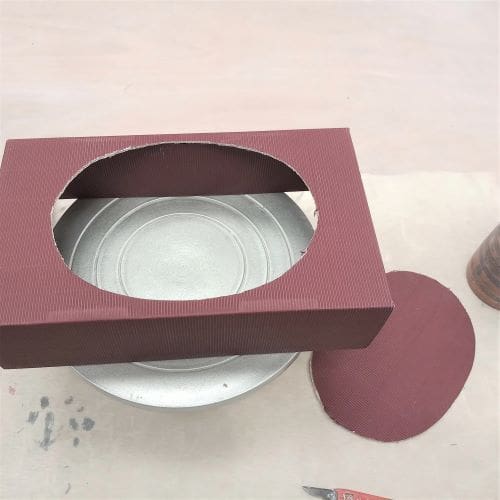
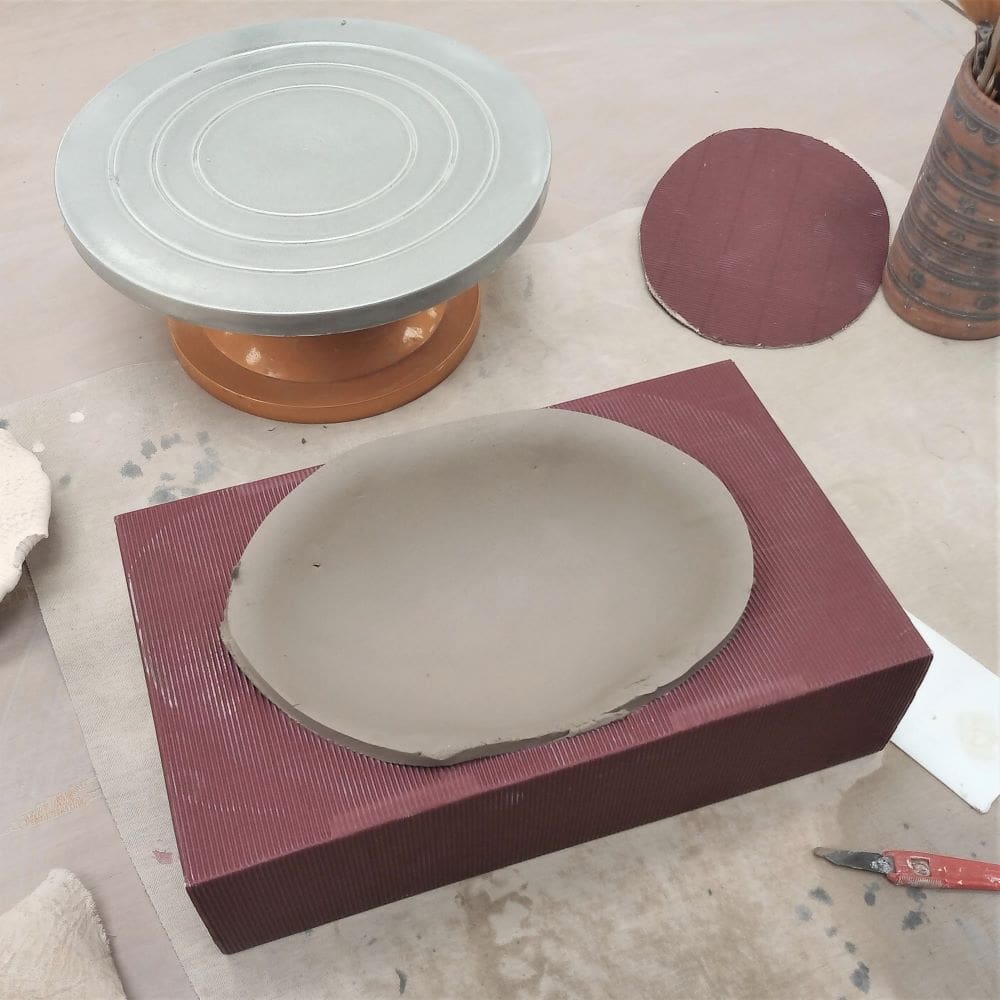
Draw the shape of the rim onto the box – in this case I am going for an oval rim – and cut aound the shape with a sharp knife.

Homemade Slump Mould (1)

Homemade Slump Mould (2)

Homemade Slump Mould (3)

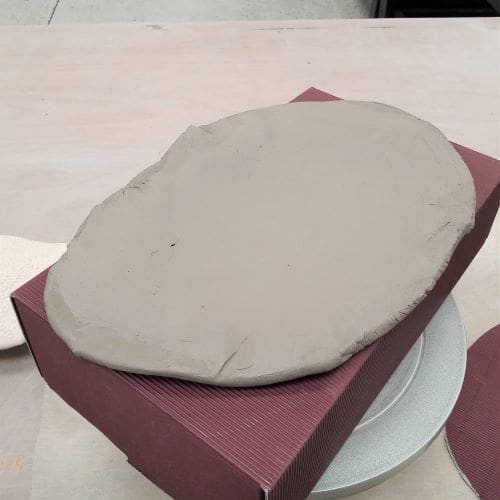
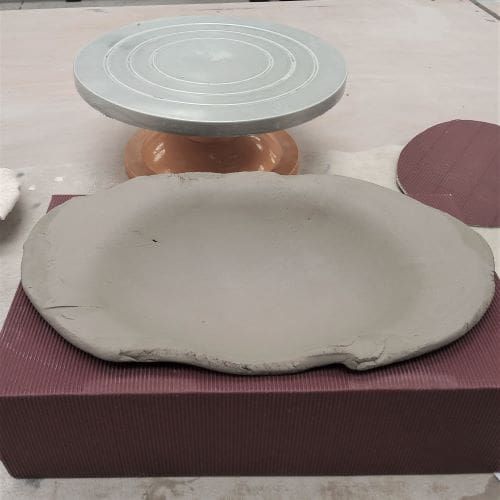
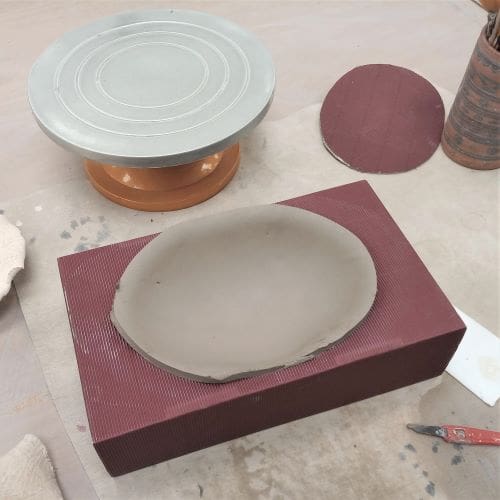
Then place a rolled out slab of clay over the cut-out opening …

Homemade Slump Mould (4)

Pick up the box and drop it from about 15cm away from the table, the clay should slump slightly into the hole … keep dropping it until the clay has reached the depth you want. 

Homemade Slump Mould (5)

Finally, trim the excess clay from around the rim …

Homemade Slump Mould (6)

Ant turn out the completed form onto a board to dry.

Homemade Slump Mould (7)

My next blog will be about a homemade hump mould …