Posted on

A Mouse for all seasons!

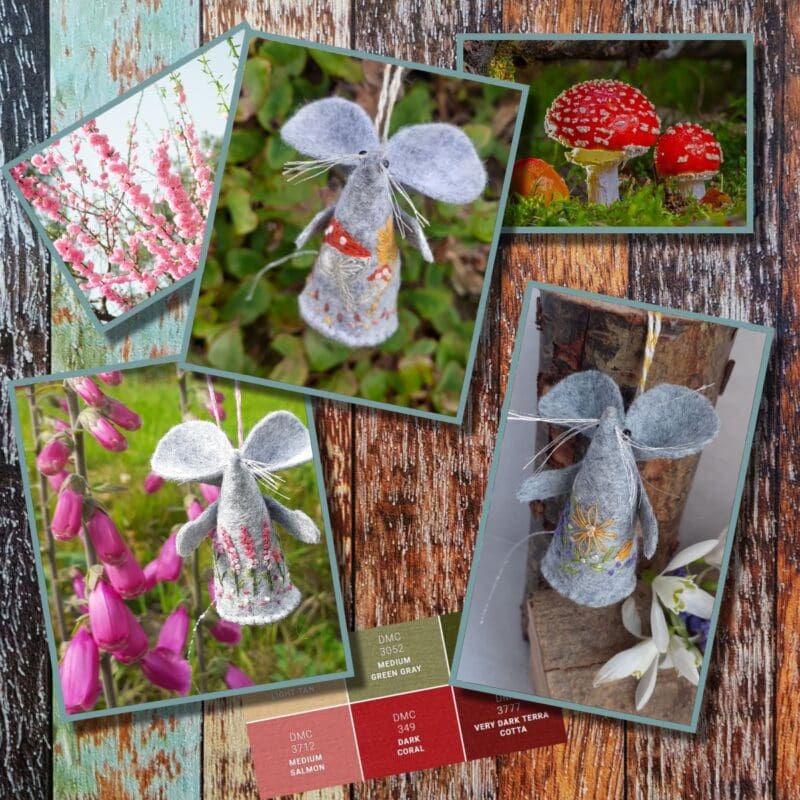
Earlier in the year I was wanting to do something a bit different with my very popular little mice and came up with the idea of combining them with my love of embroidery.

I am lucky to live in a very rural part of the country which makes me always aware of the turning seasons.  I always look out for the first lambs in spring, the first swallows, elderberry flowers, blackberries, the first frost and the first flurries of snow on the hill.

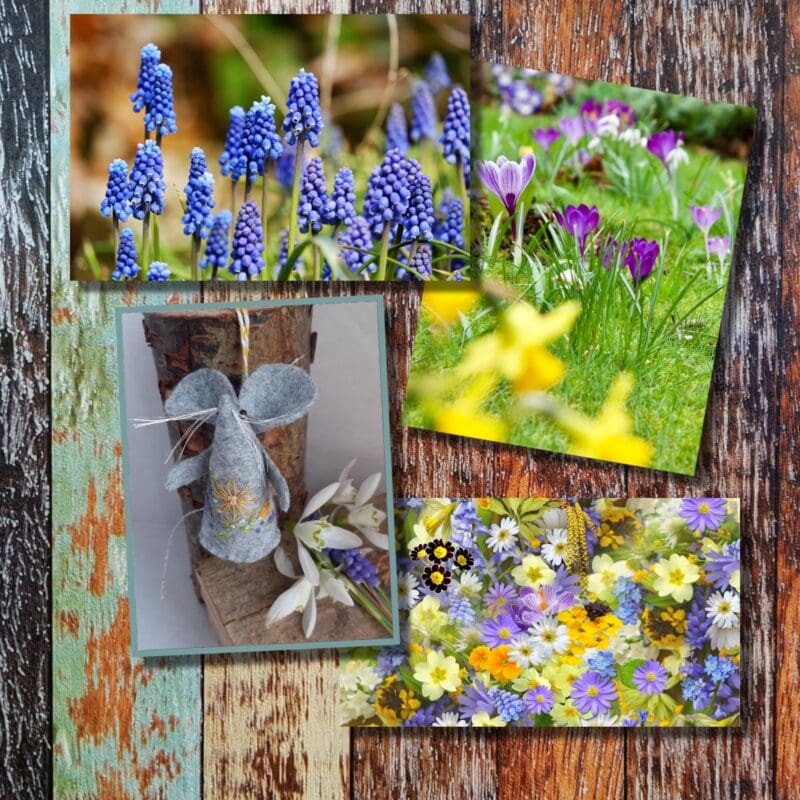
It felt natural for me to design my Seasonal Mice.  I started in Spring with the first embroidered Mouse, to me the colours of Spring are vibrant greens, yellows and blues.

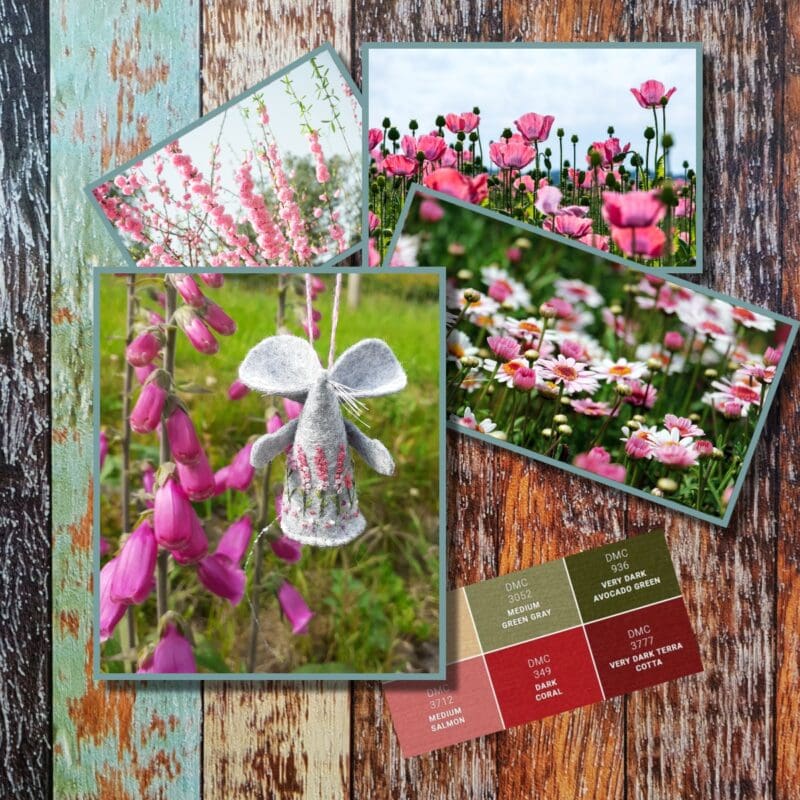
From there it was early summer, and the garden was full of pink foxgloves and the lavender was just starting to show some colour, I put together some ideas and came up with my Summer Mouse.

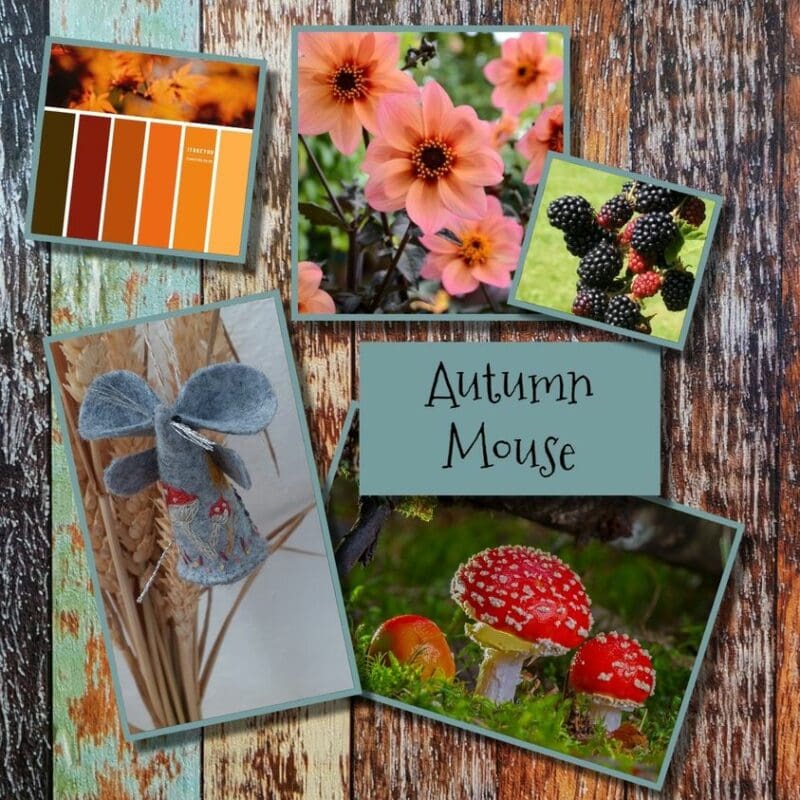
Autumn seemed to be coming quickly this year and my thoughts turned to a new mouse, not a harvest mouse but a celebration of the hedgerows with purple brambles, and spotty toadstools.  Also, I love late dahlias, so the brown stems and orange blooms were included.

And so, we are into autumn and the mornings are getting a bit crisp and chilly, so my next Mouse is of course Winter.  Still a work in progress but watch this space as they say!

I hope you enjoyed my seasonal mice; my hope is that they will become an annual feature of my work, but I won’t ever make too many of each, I just have an idea of the design and embroider them freehand so no two are ever totally identical. Next year’s may be different again.

Thank you so much for reading x 

Posted on — Leave a comment

Three ideas for reusing your old greeting cards!

Do you ever find yourself keeping hold of greeting cards to remember special occasions, but soon find them taking up so much space you just don’t know what to do with them?  Well worry no more with my top three ideas on how you can reuse them!

1) Why not spread the love further, by cutting off the front cover and turning them in to postcards you can send on to deliver some happy mail to friends and family?!

Crofts Crafts ideas for reusing greeting cards

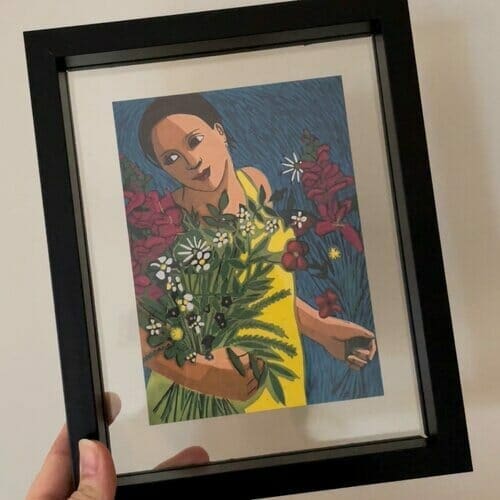
2) Add your favourites to a frame for some instant wall art!

Crofts Crafts ideas for reusing greeting cards

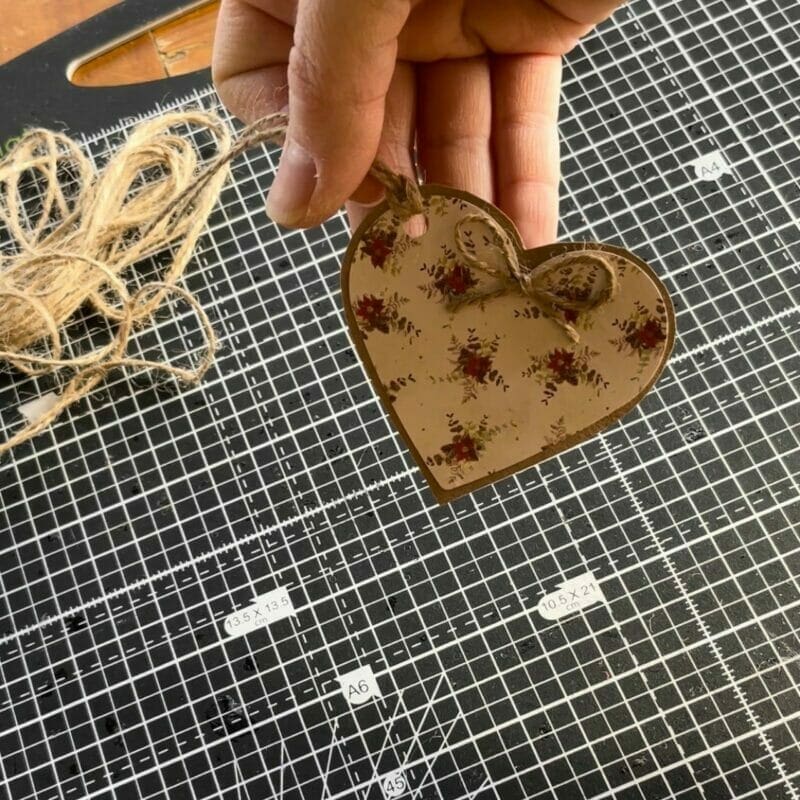
3) Crack open the craft supplies and turn them in to gift tags!

Crofts Crafts ideas for reusing greeting cards

I’d love to hear if you have other ideas – let me know in the comments below! 

Posted on — Leave a comment

Have you ever wondered what makes one dark chocolate taste so different from another?

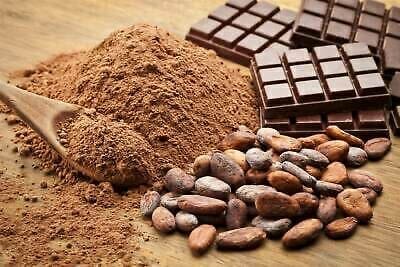
It all starts with the country the cocoa pods are grown in, the climate conditions and hot temperatures. The Cocoa beans grow inside a large fruit or pod. When they are ready they are taken out of the pods and fermented. Then these seeds or beans are dried in the same area they are grown in. After this they will be sent to the manufacturer. 

Here they are cleaned and roasted. A lot of beans will be mixed with beans from other regions to produce different flavours and tastes. 

Chocolate made from one variety of cocoa, grown in that one region and not mixed with beans from other regions are called Single origin chocolates.

What does the percentage mean in chocolate?

The cocoa percentage in chocolate is the total amount of cocoa  in it. The cocoa is usually in 3 forms – chocolate liquor, cocoa butter and cocoa powder. These all come from the cocoa bean. The percentage tells you how much of the bar is actually chocolate. 

A quality test.

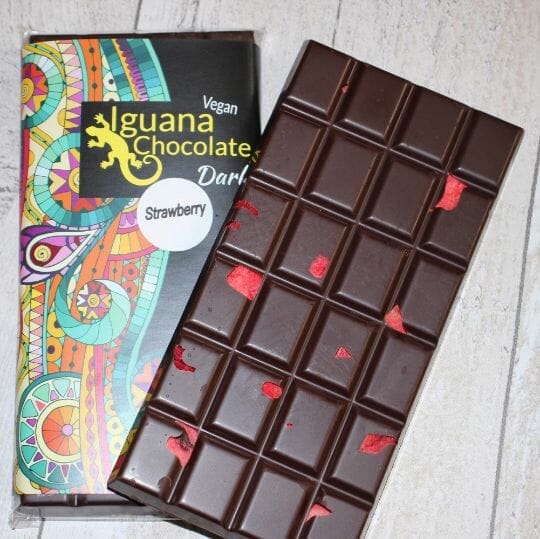
A good quality dark chocolate when broken will give a nice sharp snap, it won’t bend or just crumble. 

This is exactly why I use chocolate that has been through all these steps to produce a very smooth and rich chocolate. And now you know what to look out for when it comes to choosing the perfect, delicious, high quality chocolate that is truly decadent.

Posted on — Leave a comment

Hallmarks in the UK

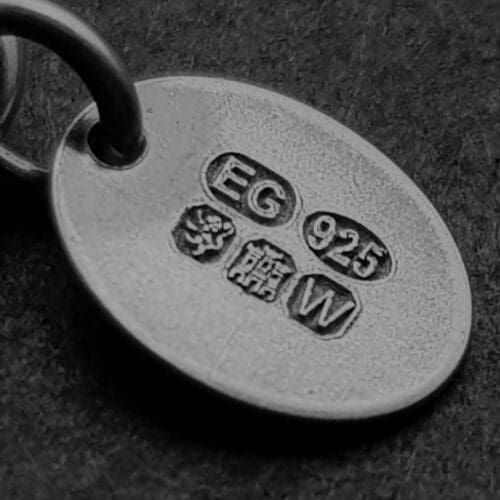
In the UK, to sell precious metals as silver, gold, etc it is
a legal requirement to have all silver weighing more than 7.78g hallmarked (for
gold it’s over 1g). To do this it must be sent to one of the 4 assay offices;
London, Birmingham, Sheffield, or Edinburgh. The assayers then test the purity
of the metal and, providing it meets the standards, hallmark with the sponsor’s
mark (the maker’s mark – usually initials), fineness mark (the precious metal
content expressed in parts per thousand), and the Assay office mark.  Additionally, there are further hallmarks that
are optional including traditional fineness marks and date letters.

There are significant costs to the maker of adhering to
these hallmarking laws and it can somewhat impede the creative flow of said
makers, the upside being the assurance to the consumer that they can be certain
of the quality of the metal they are purchasing. Worldwide hallmarking laws are
not always as stringent and sometimes non-existent. 

Posted on — Leave a comment

Supporting Small Business Saturday

Small Business Saturday – Small Business, Big Difference.


Small Business Saturday is a grass-roots, non-political, non-commercial campaign that encourages people to support small businesses in their communities, both on the Saturday itself and beyond. The campaign also aims to support, inspire and promote small businesses all year round.


On Small Business Saturday, you can help to make a real difference by choosing to shop small, shop local and shop independent.

Supporting my small business 

For me it’s all about helping to fulfil the dream. When you buy from an independent maker, like me, it means that you recognise the dream that I have nurtured and the hours that I have spent exploring and experimenting with my craft. It means that you appreciate the skills that I have honed and the love that I have invested in the piece that you have chosen. It gives me a huge boost to know that someone else can see the value in my work, and in turn it gives me the confidence to continue to grow my small business. In return, I hope that you enjoy the piece that you have chosen, whether that is for yourself, or whether you take pleasure in the act of gifting it to someone else.


If you have bought something from me, thank you. 


There is no big budget marketing campaign, or team of employees helping to run my small business. It’s just me. I am a self-taught designer and creator, buyer, photographer, marketing manager, accountant, blogger, packer, delivery driver, sales manager and general spinner of plates!


I truly appreciate your support.


Why I’ll be Supporting Others


It’s so important to support independent businesses, artists and makers, and those businesses who try to support them. There is such a diverse wealth of talent in this country and we should be celebrating all that creativity. Supporting small business means supporting your community and the ripple effect which that can have in generating positivity, well-being and goodwill is so vital to the survival of, not just the businesses themselves, but their area as a whole. It’s self-fulfilling, if I buy from my local independents, they can buy from someone else. Maybe they open a shop on my local high street and that in turn encourages other new business and visitors to the area. Investing in my local independent artisans and producers means investing in my local community and that has to be good for everyone.


 Supporting each other in our handmade community, here at The British Craft House is something we are all really proud of.

Did you know that Susan Bonnar, founder of the platform, is one of the

Small Business Saturday UK Small Business Heroes!

 This year, I’m doing my bit for Small Business Saturday by supporting some of my favourite British Craft House fellow makers.

Godrevy Textiles
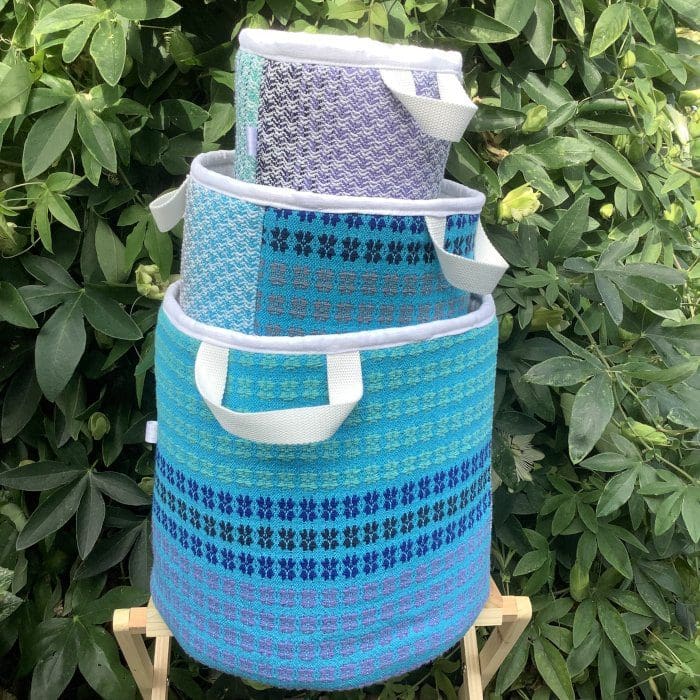
 

Sarah is a weaver/maker based on the beautiful Lizard Penninsula in Cornwall. We met for real whilst I was down on holiday this year! Sarah produces her own exquisite hand-woven cloth on her cottage loom, and the transforms it into wonderful home accessories and gifts.


RedheadWondering Hand Bound Boooks
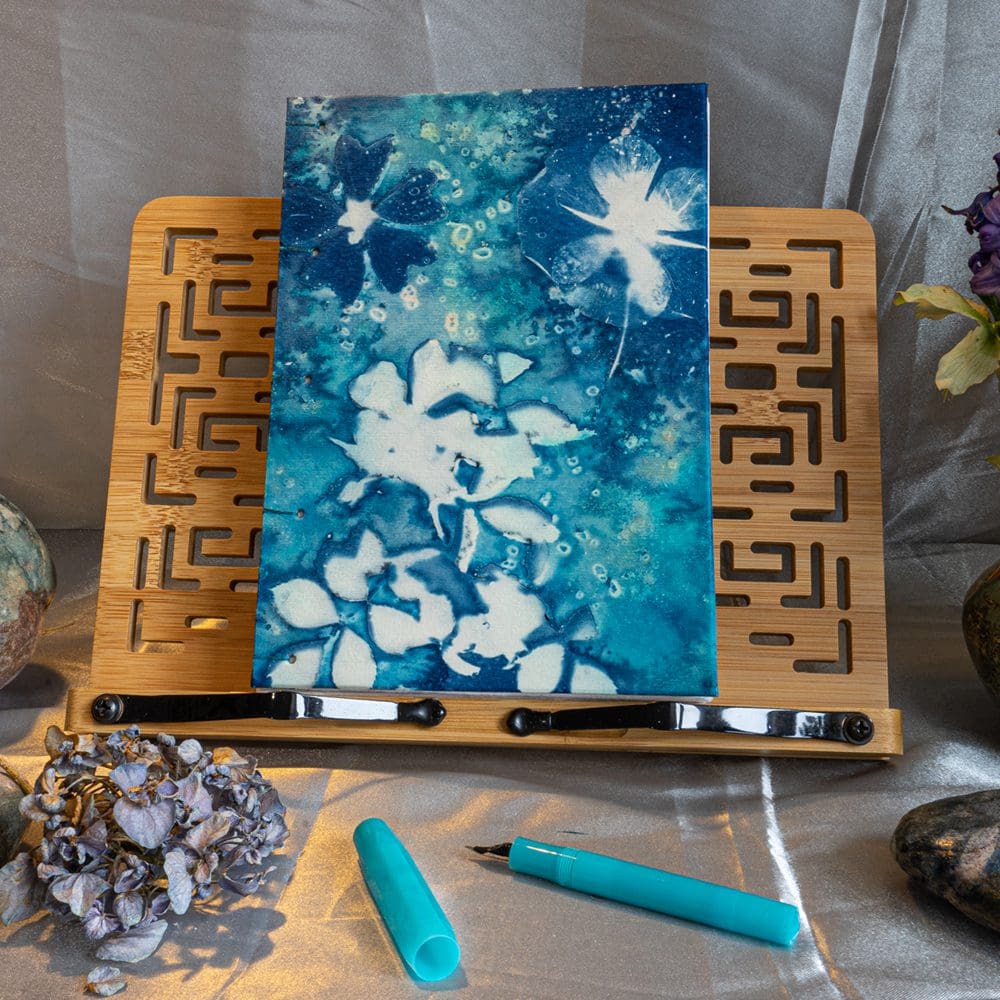
Lizzie is a wonderful wordsmith and loves to encourage everyone to record their thoughts. She handmakes the most beautiful Coptic bound journals with incredible cyanotype designs, each inspired by nature. These books are perfect for journals or diaries, for sketchbooks and photograph albums, or for whatever you might want them to be.

Sally Thake Jewellery
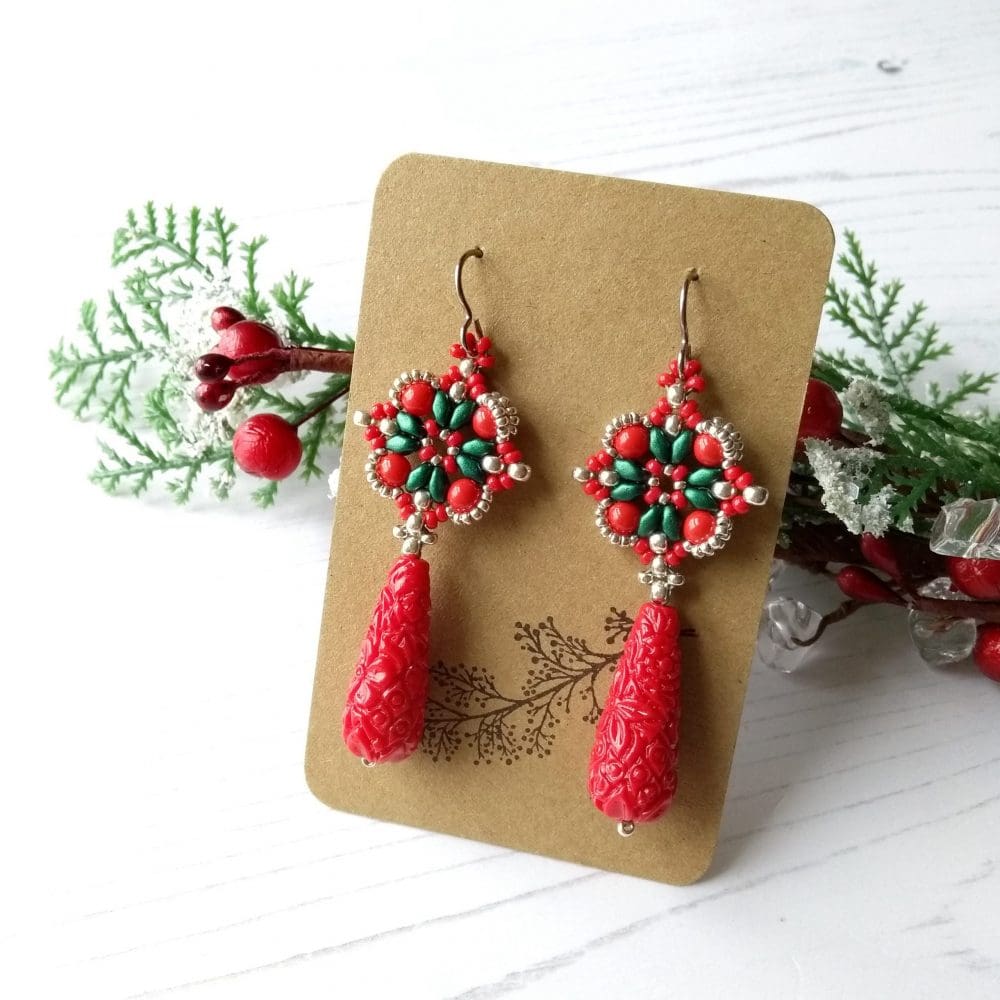
Sally has the most nimble of fingers, creating the most intricate pieces of jewellery using a myriad of tiny seed beads and her work is influenced by the impact of the seasons on the surrounding countryside of the Cambridgeshire Fens.

This year’s Small Business Saturday takes place on December 4th.

Please support your favourite small businesses. 


Thank you. 
Posted on — Leave a comment

Meet the Makers – Talking Textile Art

As a member of The British Craft House, I love being a part of the community of friendly artisans who are always able to offer advice and support in the optional, central hub. Working from home can sometimes be a little isolating, so it’s always good to have a friendly ear. We often share each other’s work and the appreciation for makers with a similar craft to one’s own is often evident. Many of us follow each other on social media and there are many collaborations that take place as a result of this supportive environment. Naturally, amongst others, I love to chat to the textile artists and we often say how lovely it would be to meet up.  
 

So it was, that last weekend, on my way down through Cornwall for a holiday, that I popped into ‘Wooly Weekend’ at Kelly House near Launceston and finally met up with the lovely Buffy, aka The Twisted Felter, who was exhibiting there. We’ve chatted online for almost two years but never managed to meet before. 

When I arrived, she was more than a little surprised to see me! Truth be known, as Buffy wasn’t expecting me, she didn’t recognise me until I took off my mask! Her face was an absolute picture! 

Buffy is a wool artist, living in the beautiful Tamar Valley in Cornwall. Like me, she is inspired by nature and particularly British wild animals such as badgers, hares and foxes. Often her fibre sculptures find themselves with a quirky sense of humour and an eccentric personality all of their own! Her work is beautifully executed and I have great admiration for her skill and attention to detail.


Buffy’s stall was beautifully set up, with a full range of her fibre art, including some of her more recently woven wall hangings, just added to her British Craft House shop. I am fascinated by weaving, so it was great to see the mix of textures and fibres Buffy incorporates into her work and to talk about the small loom that she uses. I had to admit to her that whilst I would love to have a loom, I simply haven’t got room for anything more! 


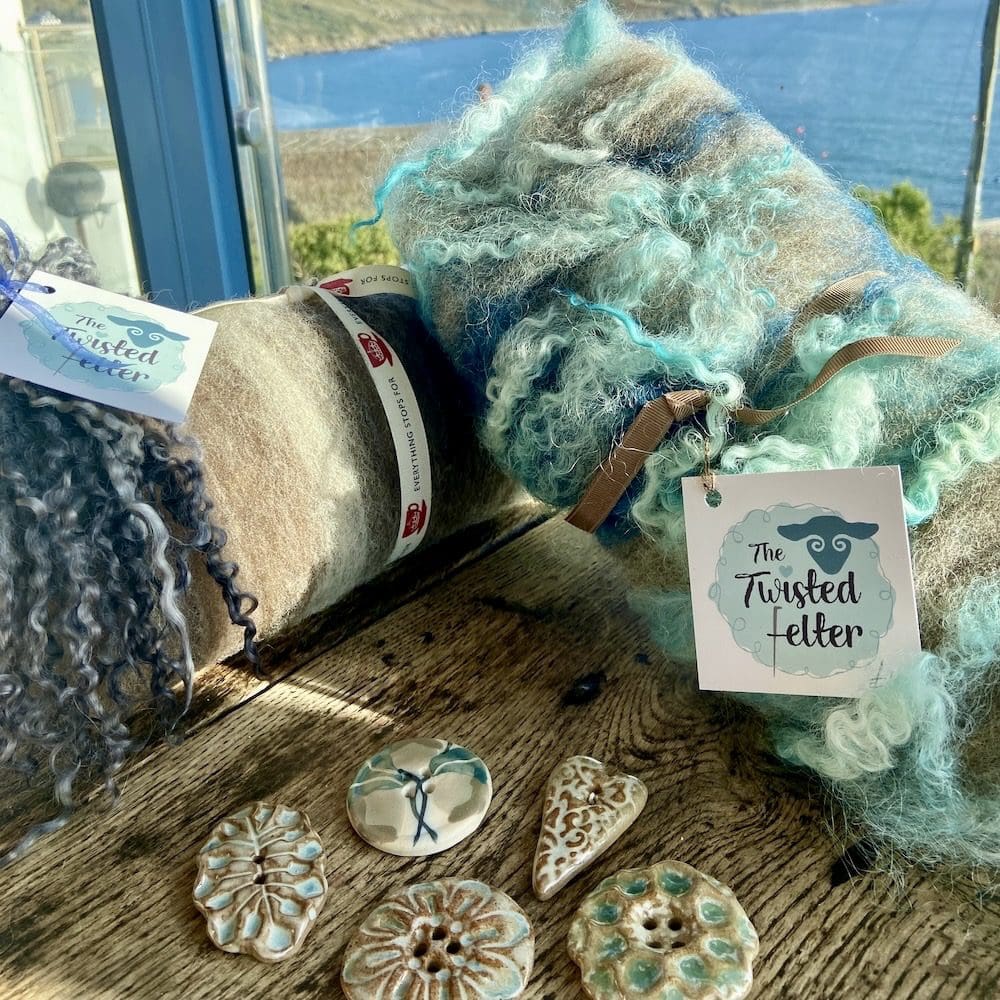
For me, the added excitement of meeting Buffy, was to see her wonderful range of hand carded and hand dyed fibres, many of which come from her own little flock of Teeswater sheep. I have loved following Buffy’s journey, becoming shepherdess to her own flock. As a textile artist, it’s wonderful to know the provenance of the materials you are working with and I confess, I may just have done a little bit of shopping! Buffy’s Teeswater sheep have the most amazing curly locks and I am looking forward to using them to create lots of texture in my own original textile art. I chose a bundle of wonderfully long and very soft, grey locks to take home and, after a few days away at the coast, the beautiful carded art batts I selected will be perfect for capturing the coastal landscape that no doubt inspired their creation in the first place.

Hand-Carded-Fibre-Art-Batts
Hand Dyed and Carded Fibres

Over the last twelve months, I have begun dyeing some of my own fabrics and fibres too, encouraged and inspired by Buffy and the little videos she often posts. Buffy expressed an interest in the eco printing that I have been exploring and use to print onto silk and wool, often made into scarves.  She would like to give it a try for herself, when she has some spare time! This was a great opportunity for us to compare notes on the types of dyes we use, and to exchange ideas about the nature of the fibres and their suitability for various textile techniques. I am more than a little envious of Buffy’s carding machine and am secretly hoping that one day I might be able to pop along to see it for myself! 


I was only at Kelly House for about an hour and a half but the visit to see Buffy was an absolute joy. The tea and cake were also pretty fabulous! 


Later in the week, I met up with Sarah, a wonderful weaver and maker from The Lizard area of Cornwall. Sarah owns Godrevy Textiles and also sells on The British Craft House. You can find out all about our afternoon at the beach here.


P. S. If you would like to I see what I create with my newly acquired fibres, do keep an eye out in my British Craft House shop and follow me on social media. All the links can be found here.

Posted on — Leave a comment

Pottery Slump Moulds

Slump mould? This is an obvious term for a hand-building potter but may raise a few eyebrows in the uninitiated. I will first explain, then I will share with you a cheap & cheerful method to make a home-made slump mould.

Slump mould

This is a concave mould, like the shape of the inside of a bowl, intended to take the clay inside the curve of the mould.

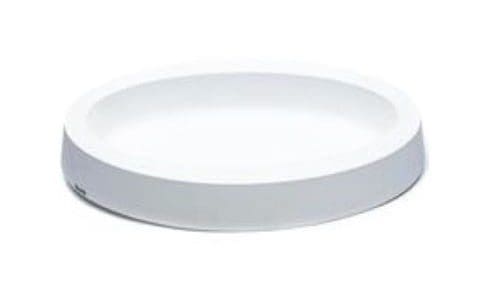
Usually in a pottery studio, a slump mould is made from plaster of Paris. The clay can be put into the mould as a rolled-out slab or as balls, spirals or strips of clay.

Commercial plaster slump mould

The inside surface of the slab form is exposed, allowing it to be decorated with underglaze, slip or impressed marks

The outer face of the slab is in contact with the mould, which will shrink away from the plaster of Paris as the clay dries.

Homemade slump mould

This is my version of a homemade slump mould …

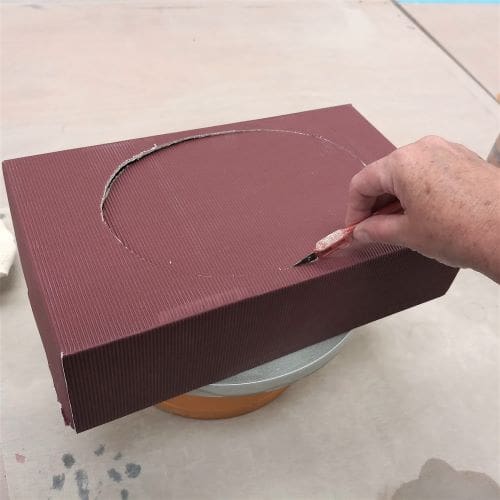
You will need a strong cardboard box & a sharp knife (plus of course your clay!)

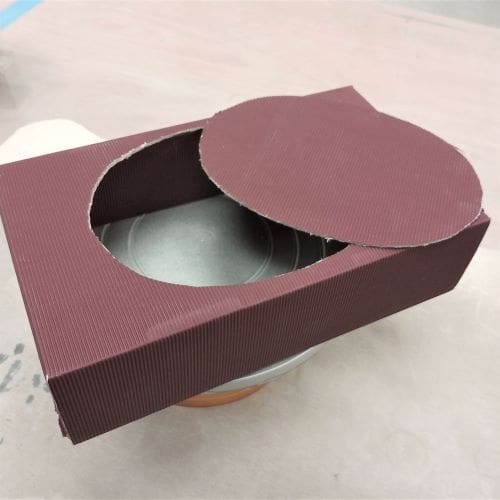
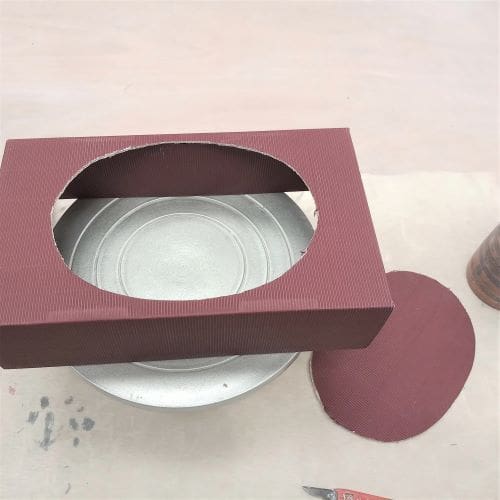
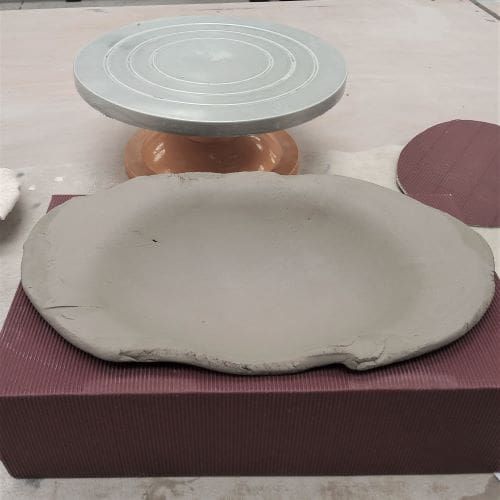
Draw the shape of the rim onto the box – in this case I am going for an oval rim – and cut aound the shape with a sharp knife.

Homemade Slump Mould (1)

Homemade Slump Mould (2)

Homemade Slump Mould (3)

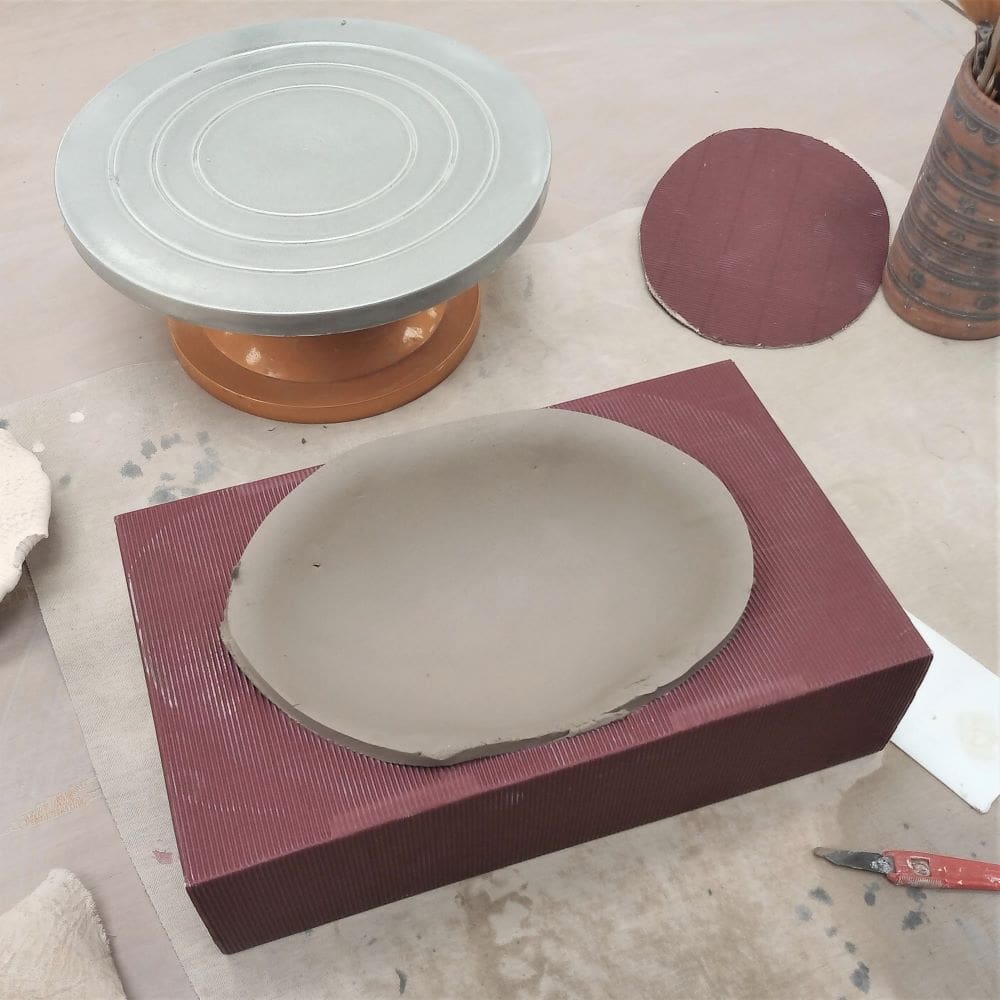
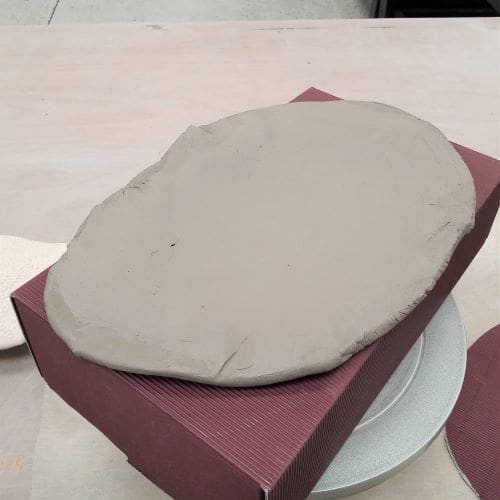
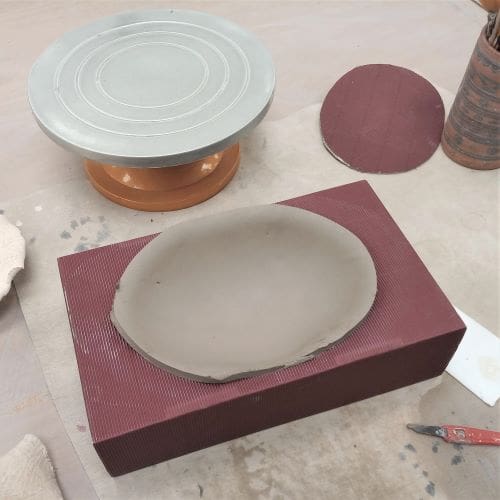
Then place a rolled out slab of clay over the cut-out opening …

Homemade Slump Mould (4)

Pick up the box and drop it from about 15cm away from the table, the clay should slump slightly into the hole … keep dropping it until the clay has reached the depth you want. 

Homemade Slump Mould (5)

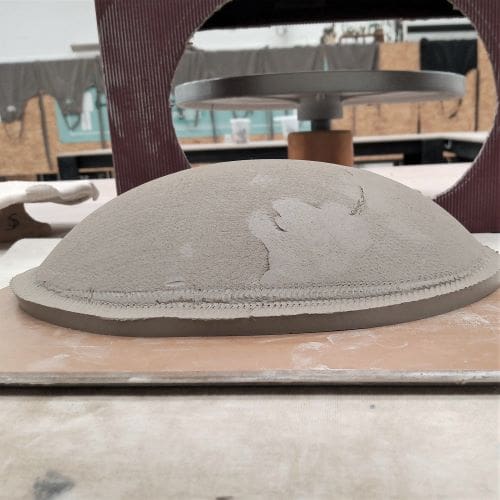
Finally, trim the excess clay from around the rim …

Homemade Slump Mould (6)

Ant turn out the completed form onto a board to dry.

Homemade Slump Mould (7)

My next blog will be about a homemade hump mould …

Posted on — Leave a comment

Recovery and organisation April 2021

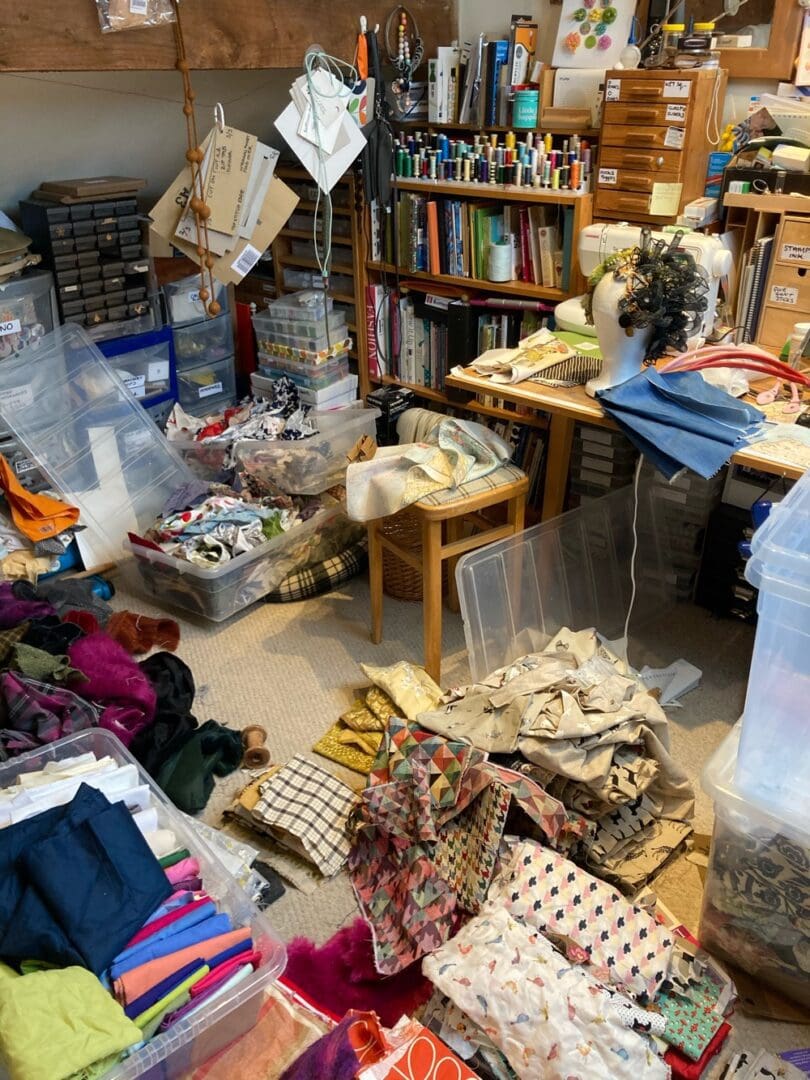
I do like a Spring clean, I am quite a messy worker, I get carried away and there’s NO time to put things away as I go !! So after I finish a project I have a big clear out .
This clear out I concentrate on my fabrics, I have amassed a lot over the years, there are some fabrics that I have held onto for so long and still have not used, there will be ‘that’ perfect project for it, one day. 

I always feel so much better when the workroom is clean and tidy. I think it is a therapeutic way to clear my head before the next project.

There has not been much making done at the moment as I had Carpal Tunnel surgery done on my left wrist. The operation went well , its still a bit sore and nowhere near back to normal but definitely getting there. I think it is one of the  hazards of being a Sewist!

Posted on — Leave a comment

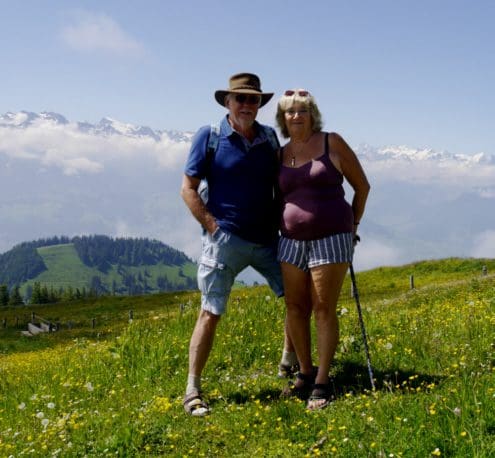
What inspires my glass designs – travelling with my beloved camera (and Bob ❤️)

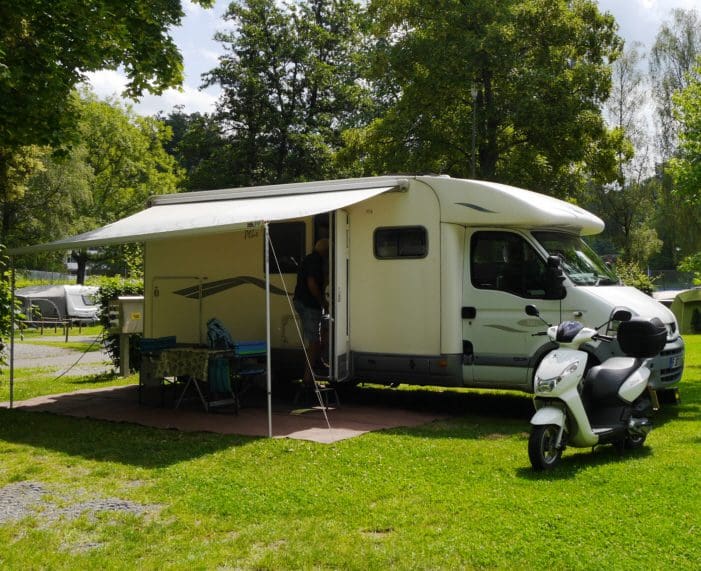
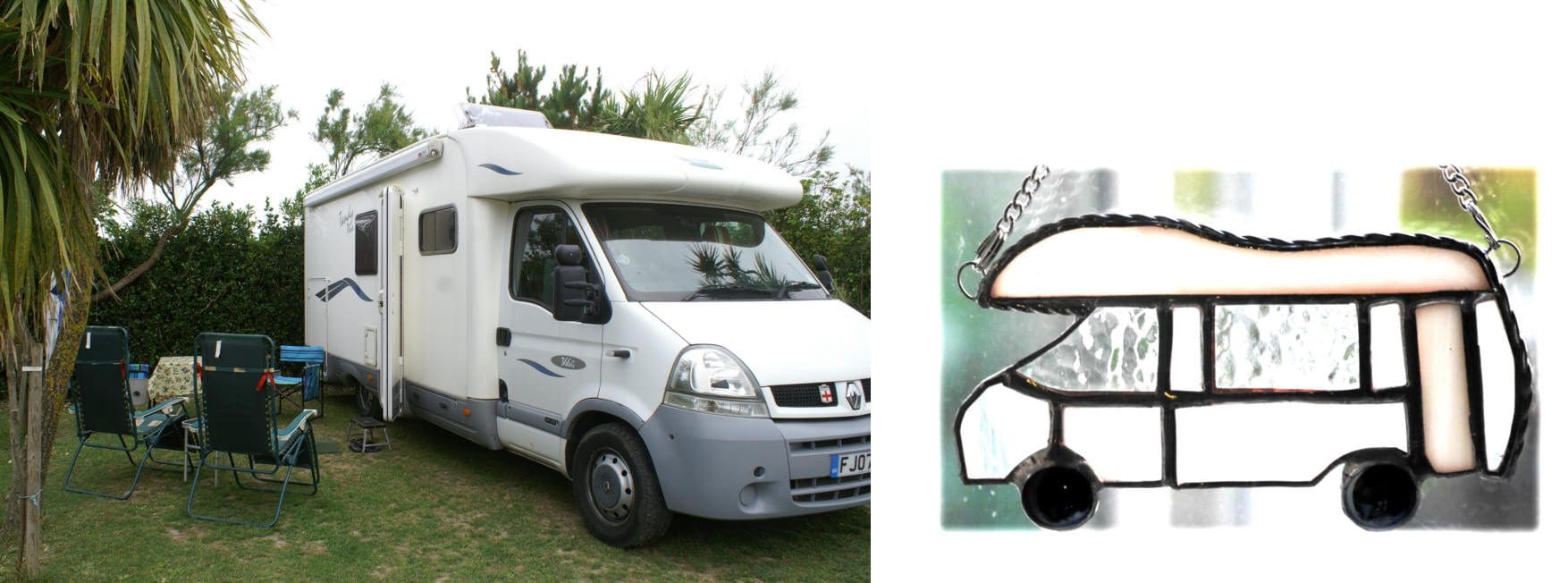
In normal times Bob and I spend a couple of months a year travelling round Europe in our motorhome, Tandy with scooter, Kisbee,  in the boot.

We also usually sneak in a winter week or two somewhere warm and exotic but have to fly there. We tell people we are doing it while we can, spending the kid’s inheritance and it’s what we do. 
I never go anywhere without my beloved Panasonic Lumix camera hanging round my neck … I wore the shutter out on my last one  ! Thank goodness for digital cameras.

I love to travel but I also love making my glass, addicted really, and as soon as we return from our travels I can’t wait to get my glass cutter out to make the new designs inspired by the wonderful sights we have seen.

I thought you might like to see some of the places we have been and the suncatcher designs they inspired.

Australia   To visit my daughter when she was in Melbourne for 2 years

Brittany France    Sunset Beach

California    Dream Catcher

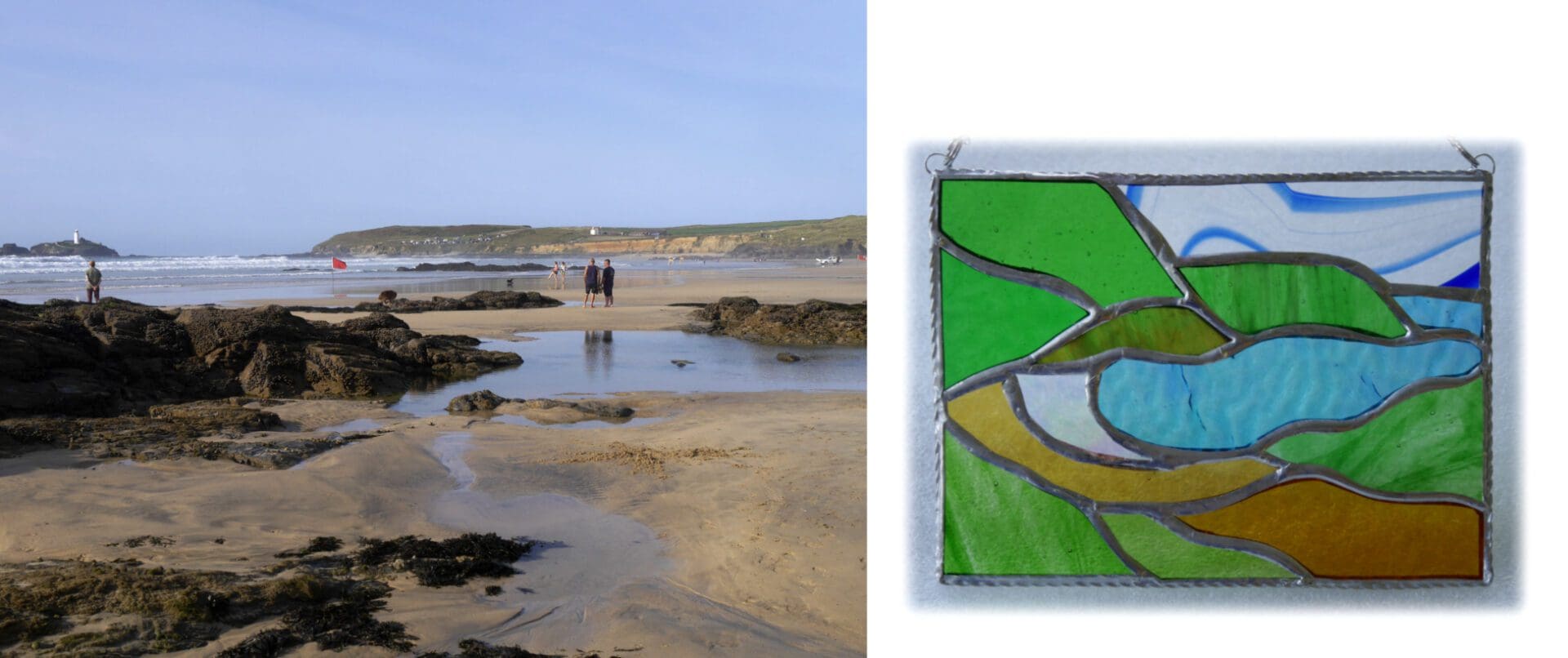
Cornwall England    Cornish Cove

Cornish Cove

France    Beach Huts

Beach huts

INDIA  Udaipur Lake

India udaipur lake
Ireland  (Galway)    Shamrock Horseshoe

Ireland Horseshoe shamrock

Lyme Regis Jurassic Coast     Ammonite

Jurassic coast Ammonite

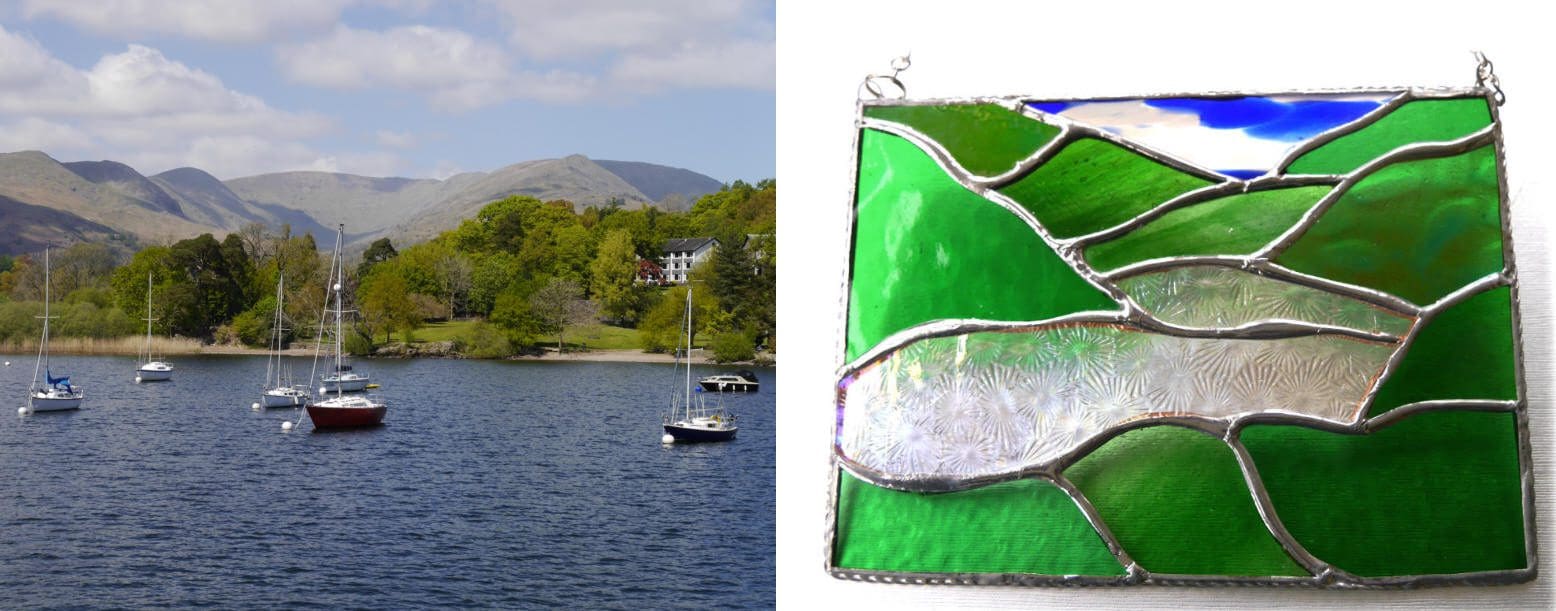
Lake District     Landscape

Lake district landscape

Motorhoming    Across Europe

Motorhoming across Europe

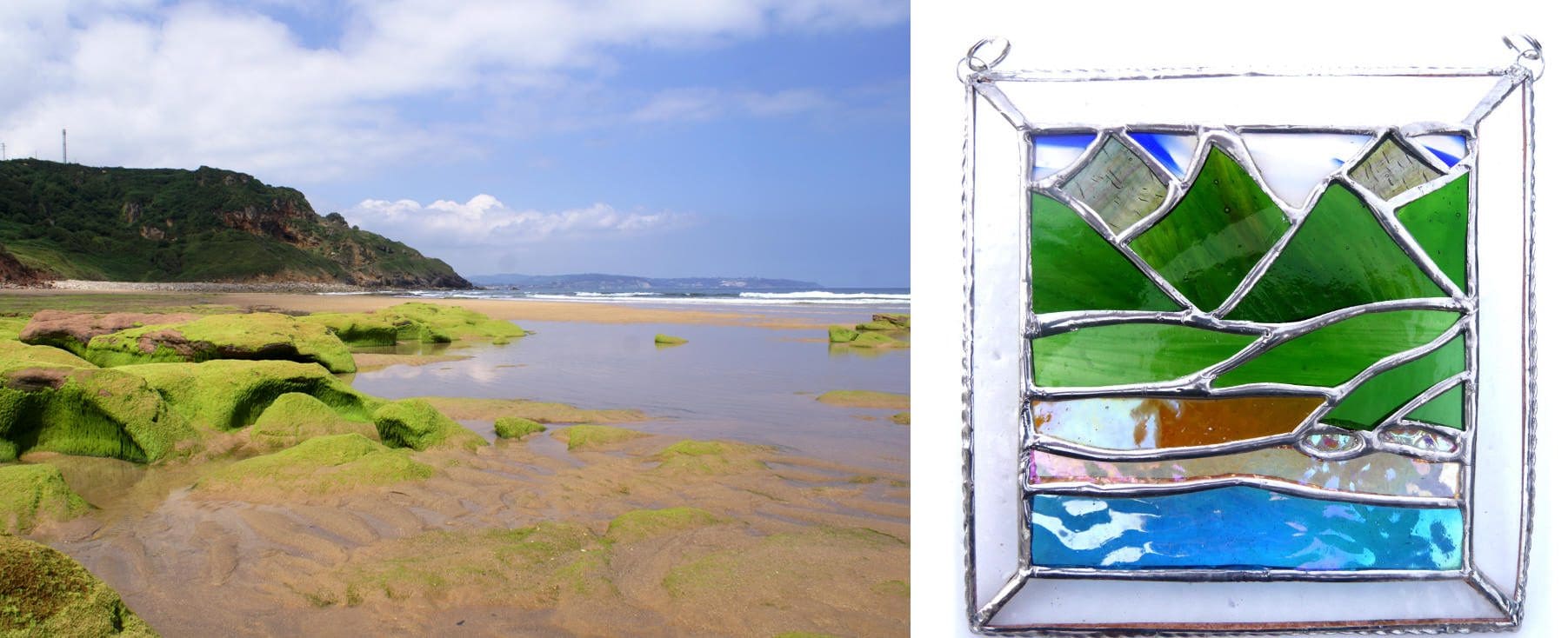
Green Northern Spain    Picos Mountains

Spain picos mountains

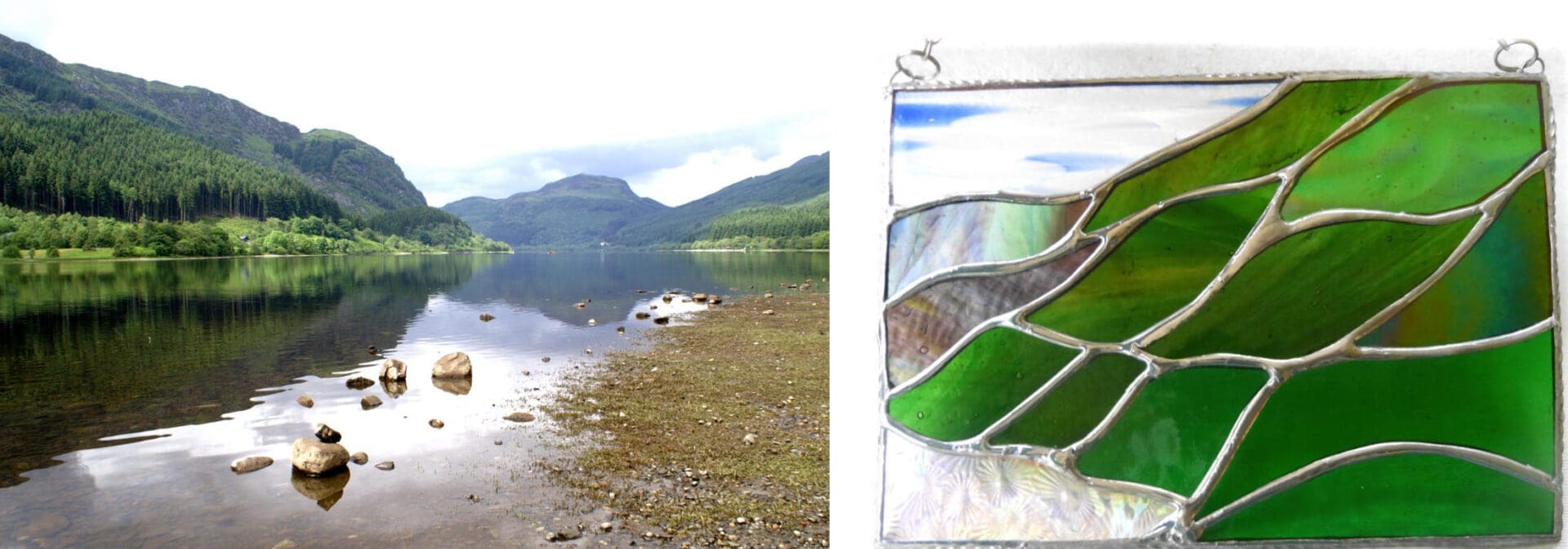
Scotland   Scottish Mountains

Scottish Mountains

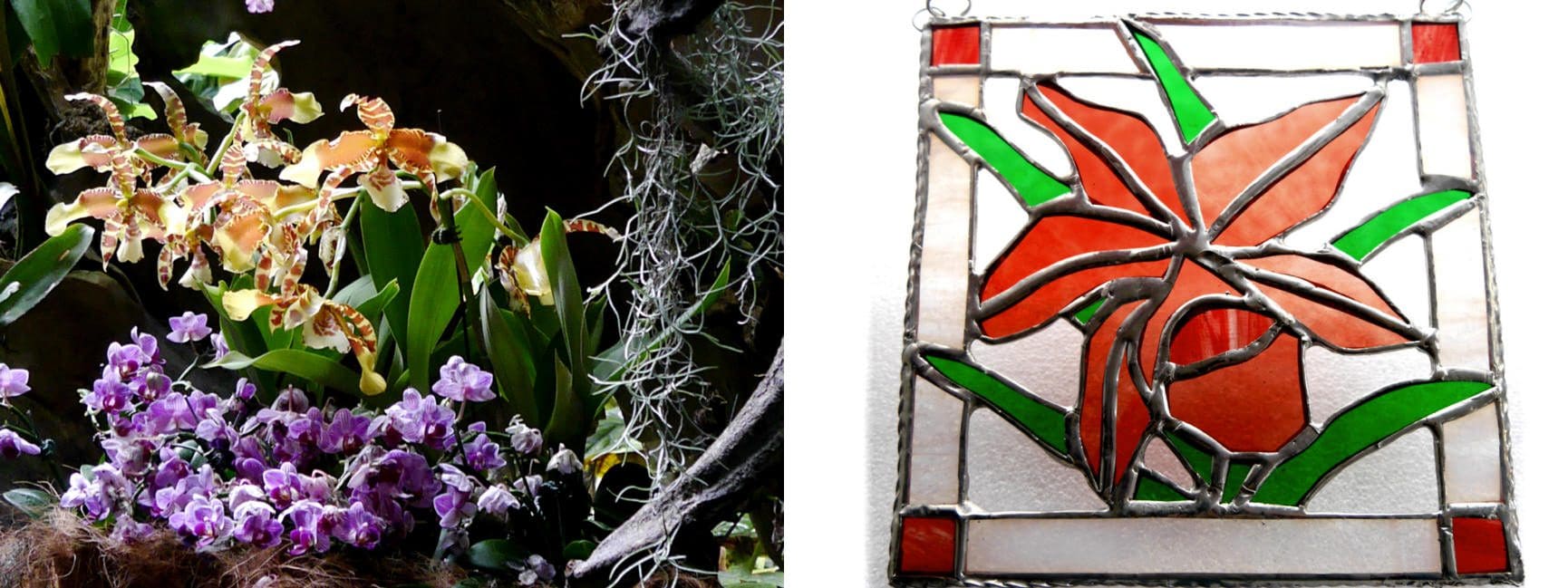
Singapore   Orchid

Singapore orchids

South Africa – Addo Elephant Park   Elephant

South Africa

Goa   Tropical Beach

Goa Tropical Beach


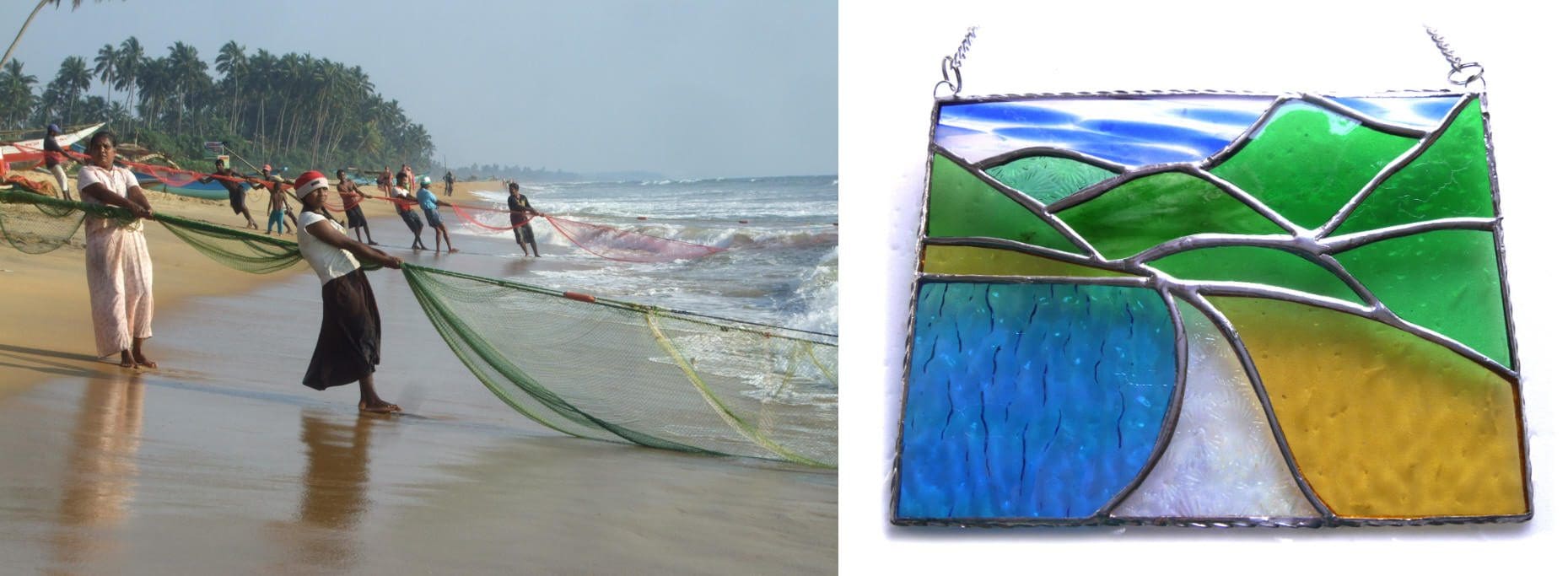
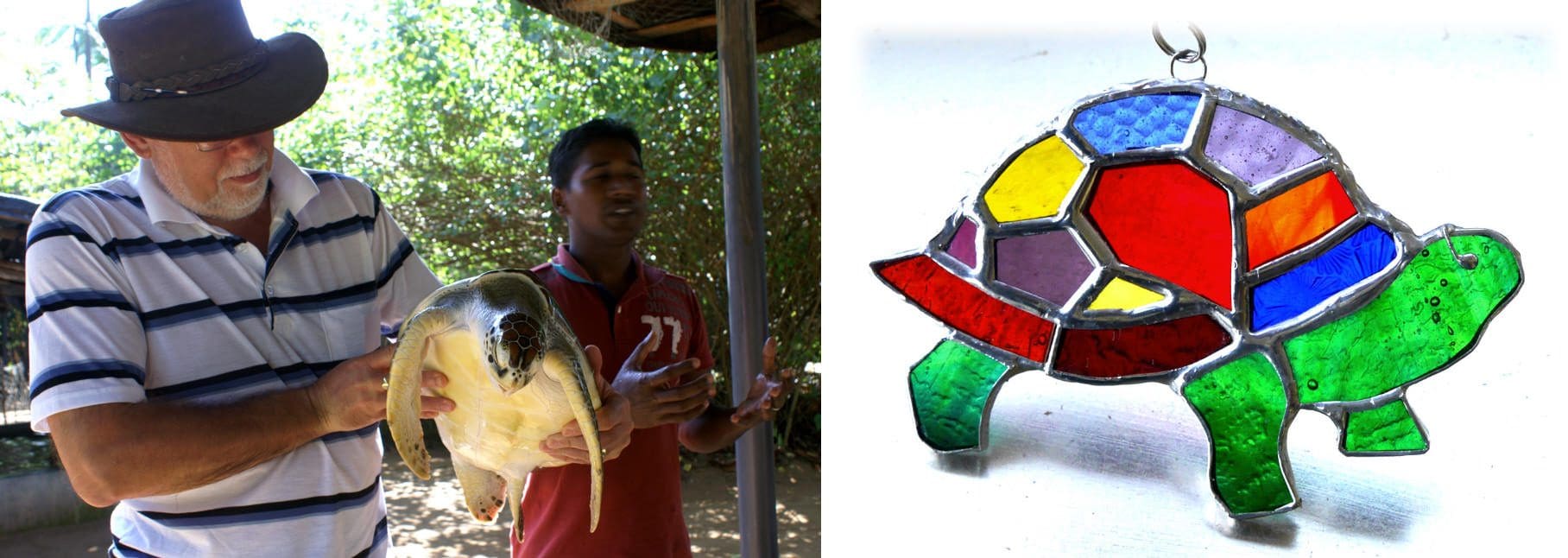
Sri Lanka   Turtle

Sri Lanka
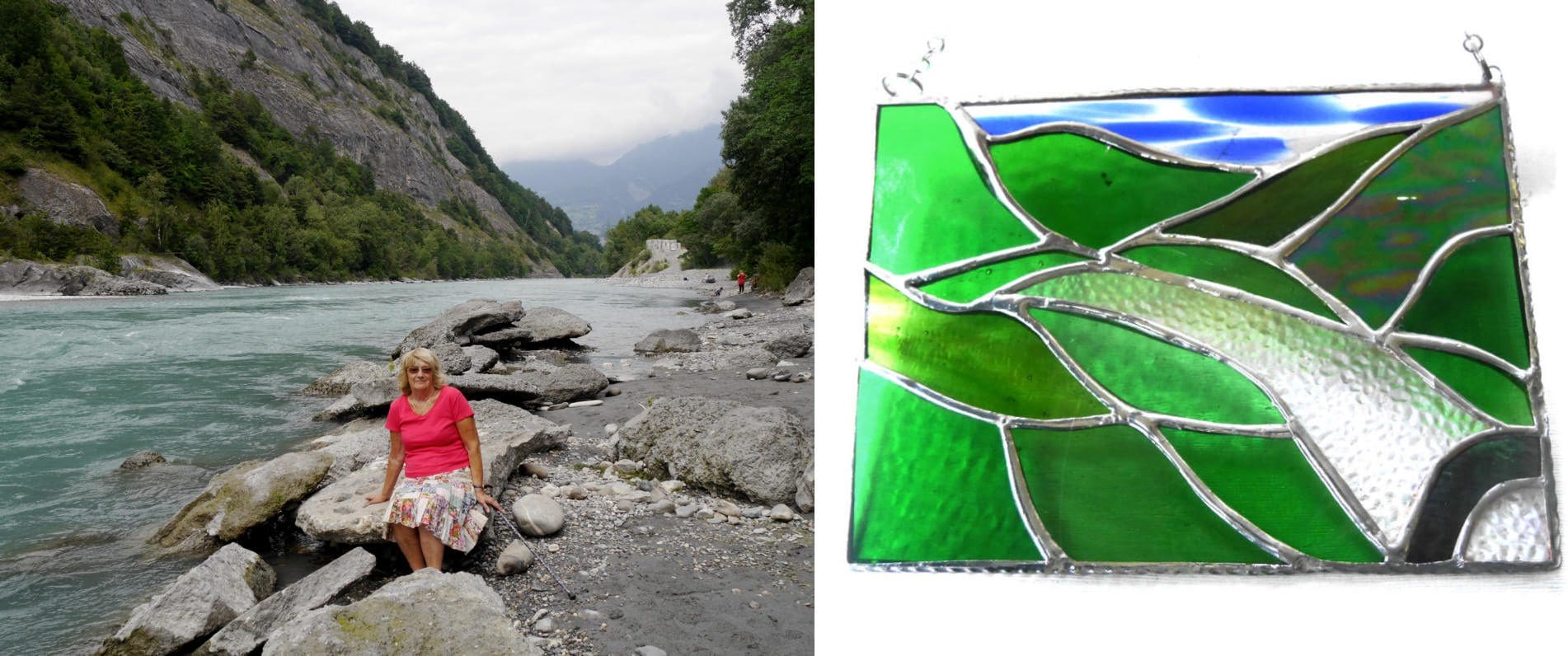
Switzerland   River

Switzerland Chur River
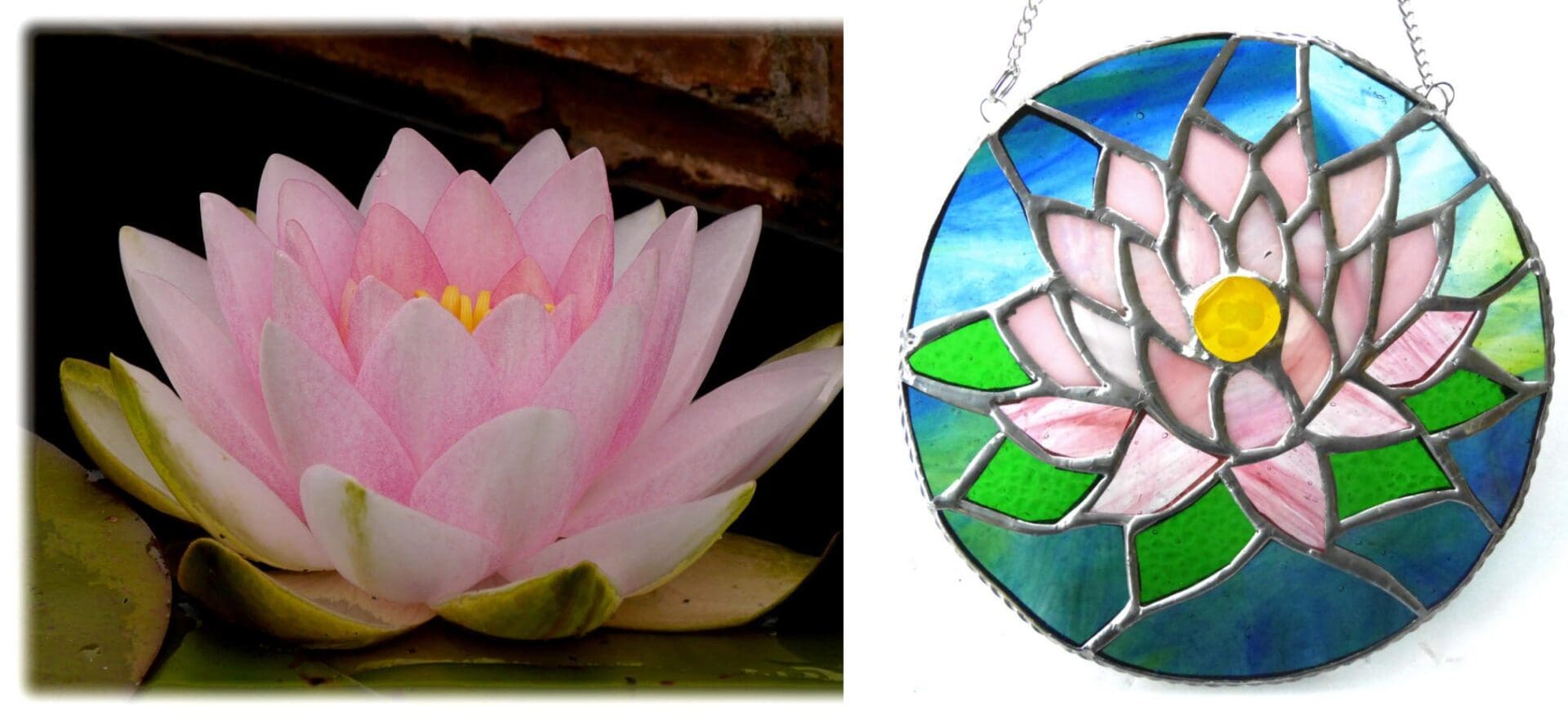
My Staffordshire Garden   Water Lily

My Garden Water Lily

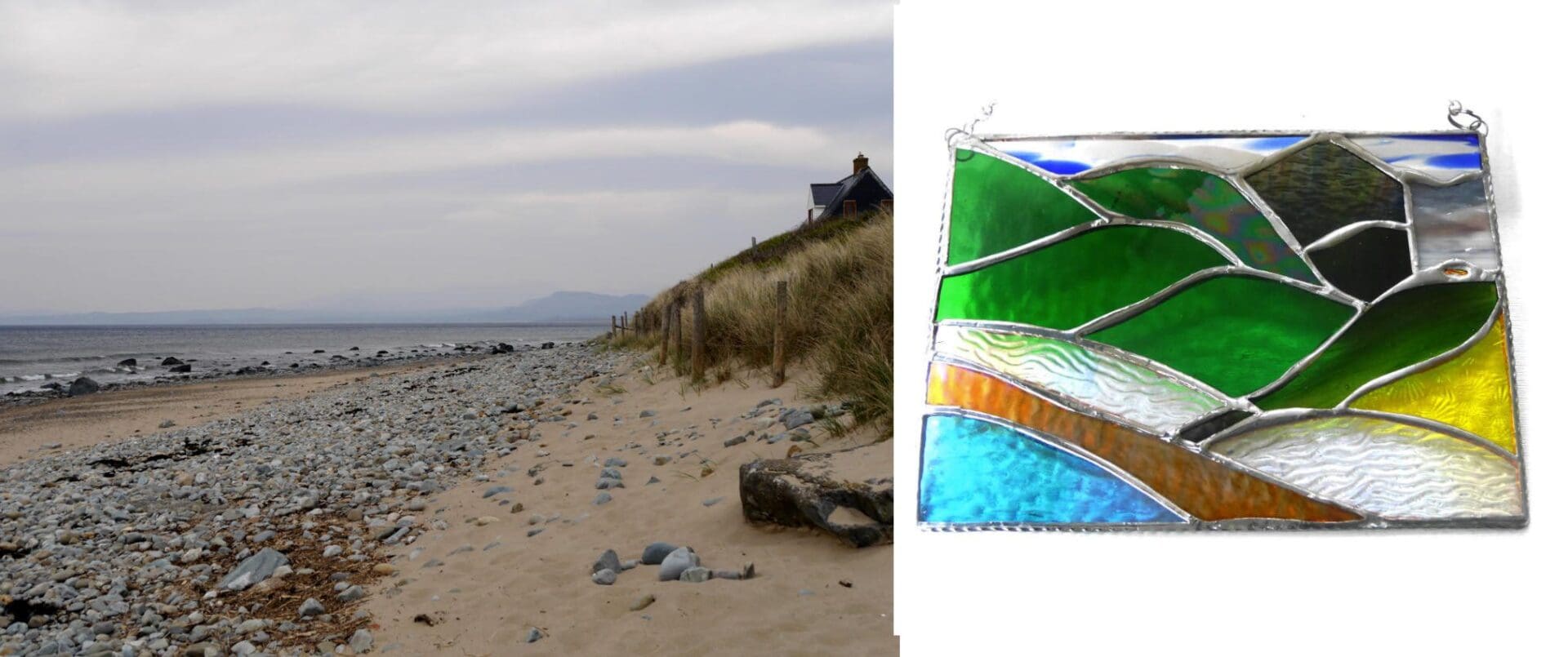
Wales Near Harlech     Welsh Lanscape

Welsh Landscape

I hope you’ve enjoyed a tour round some of my favourite places.

Posted on — Leave a comment

All About myself and HRJ!

Welcome!  Let me start by telling you a little bit about myself!


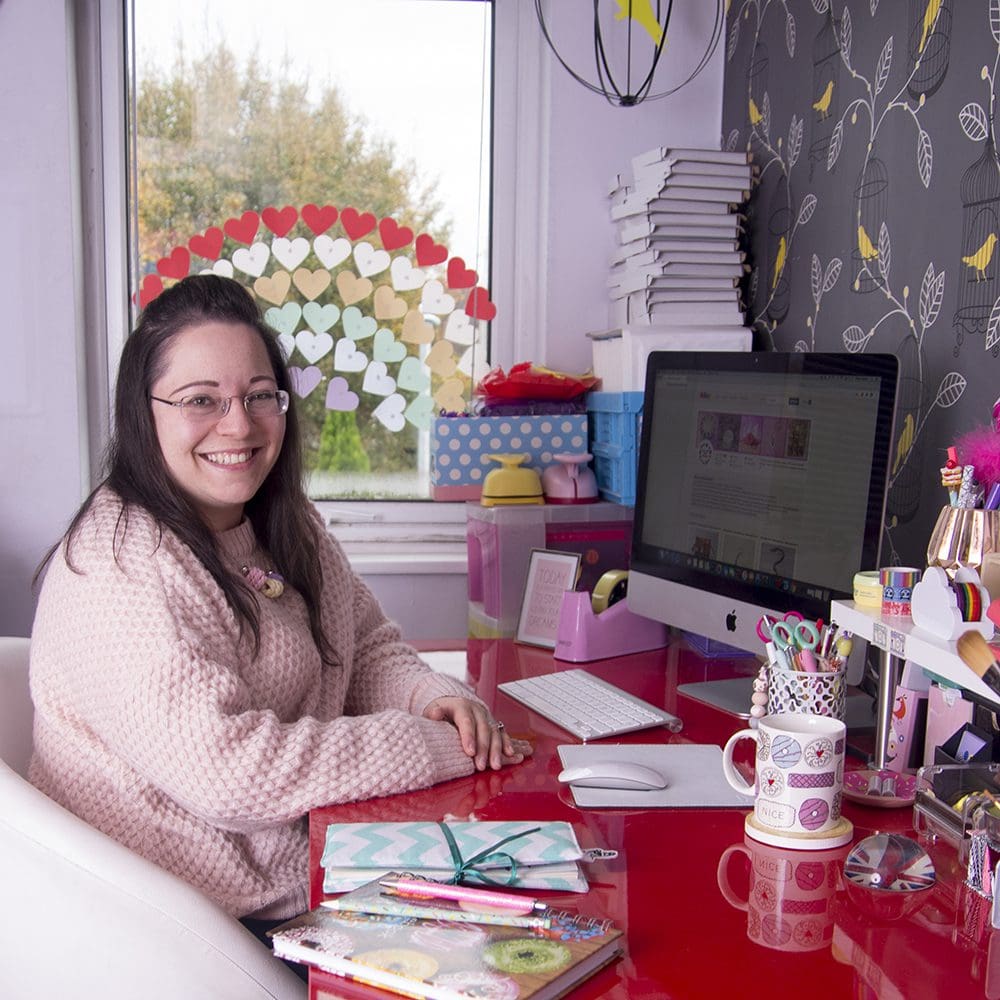
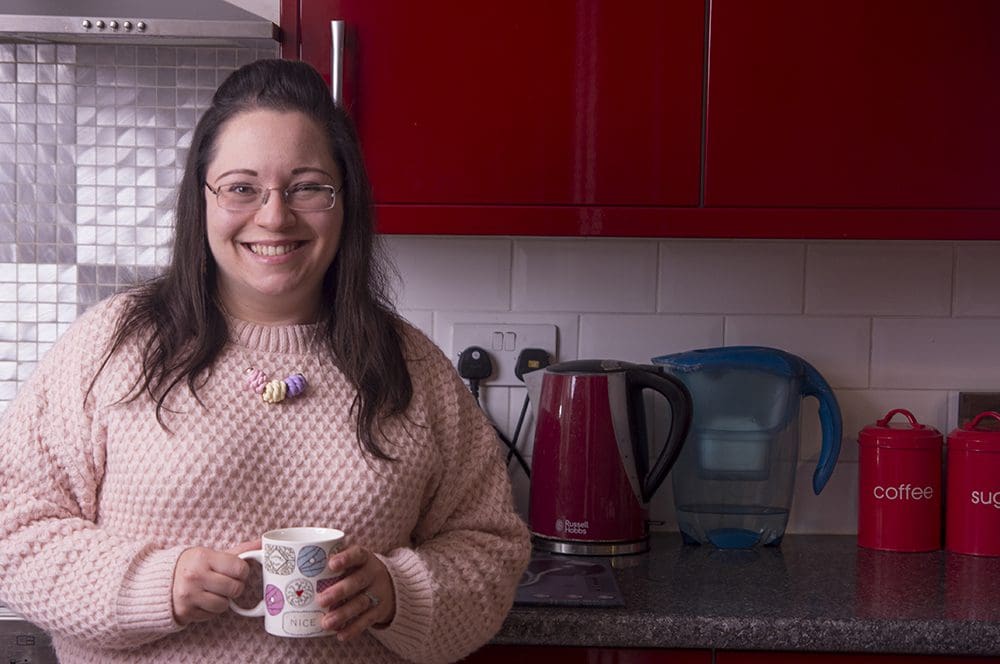
I’m Fallon, a thirty-something year old, living in Hertfordshire with my husband and daughter.  I’m an avid crafter, have been all my life, trying my hand at many different activities for fun and making numerous things for my daughter and as gifts.   I also love home baking and drinking copious cups of tea!  I have a degree in photography and shoot freelance baby and children photography (when global pandemics don’t get in the way!)


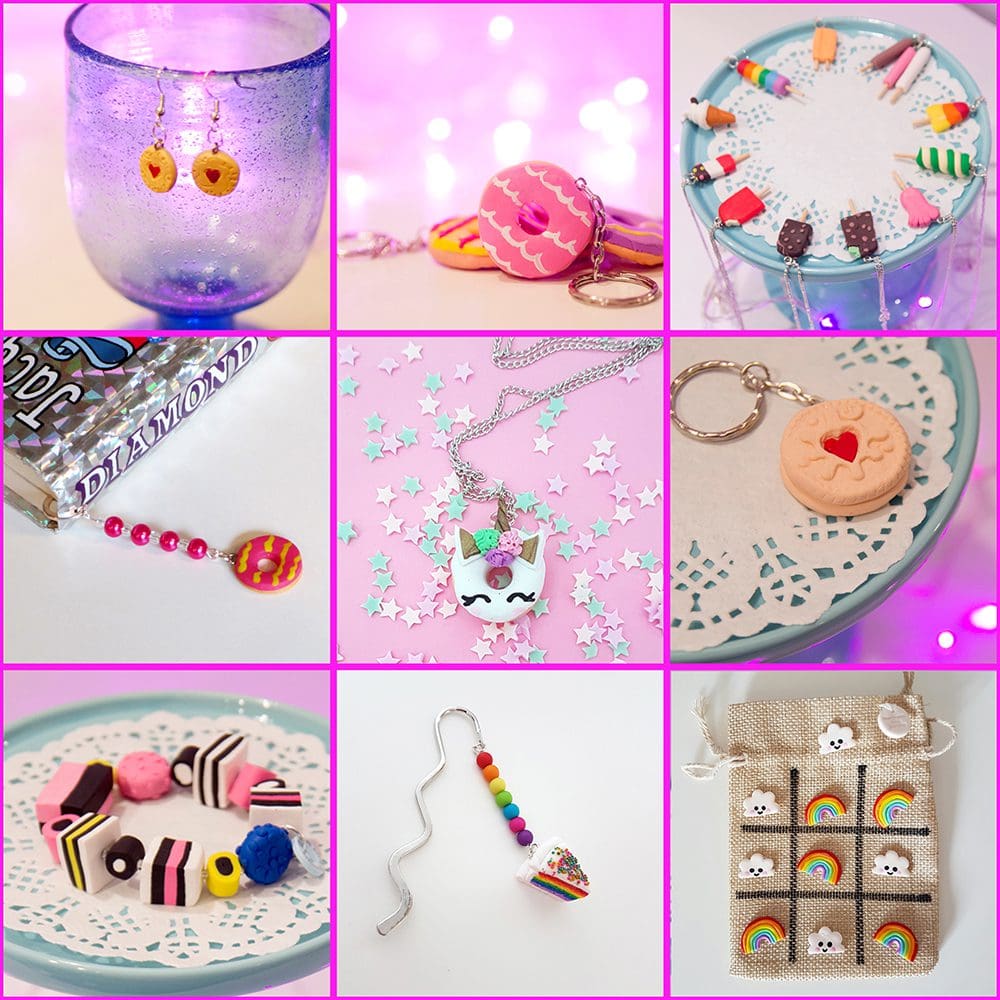
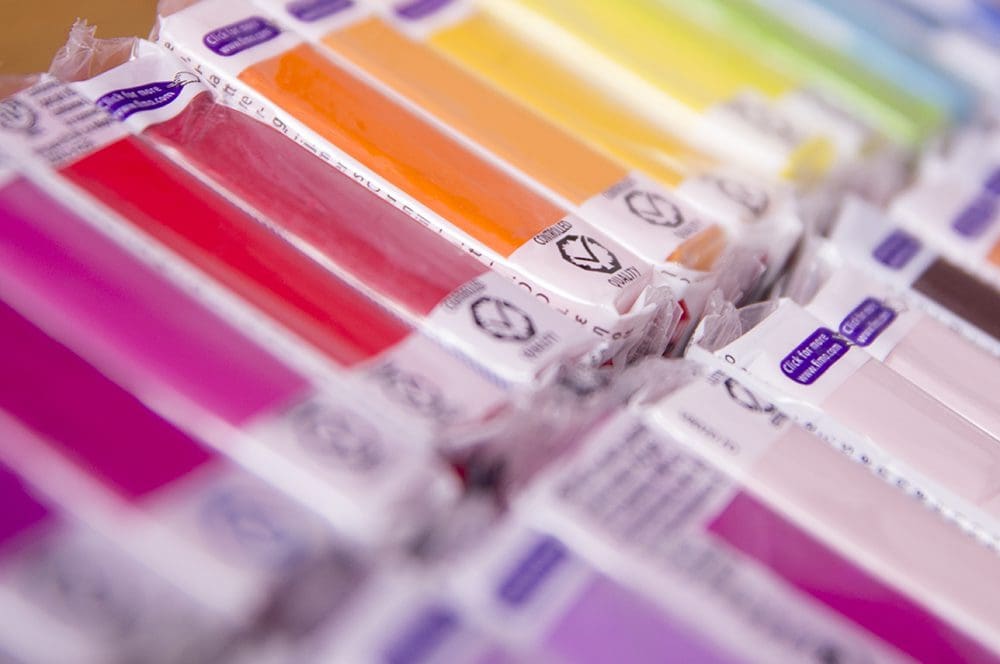
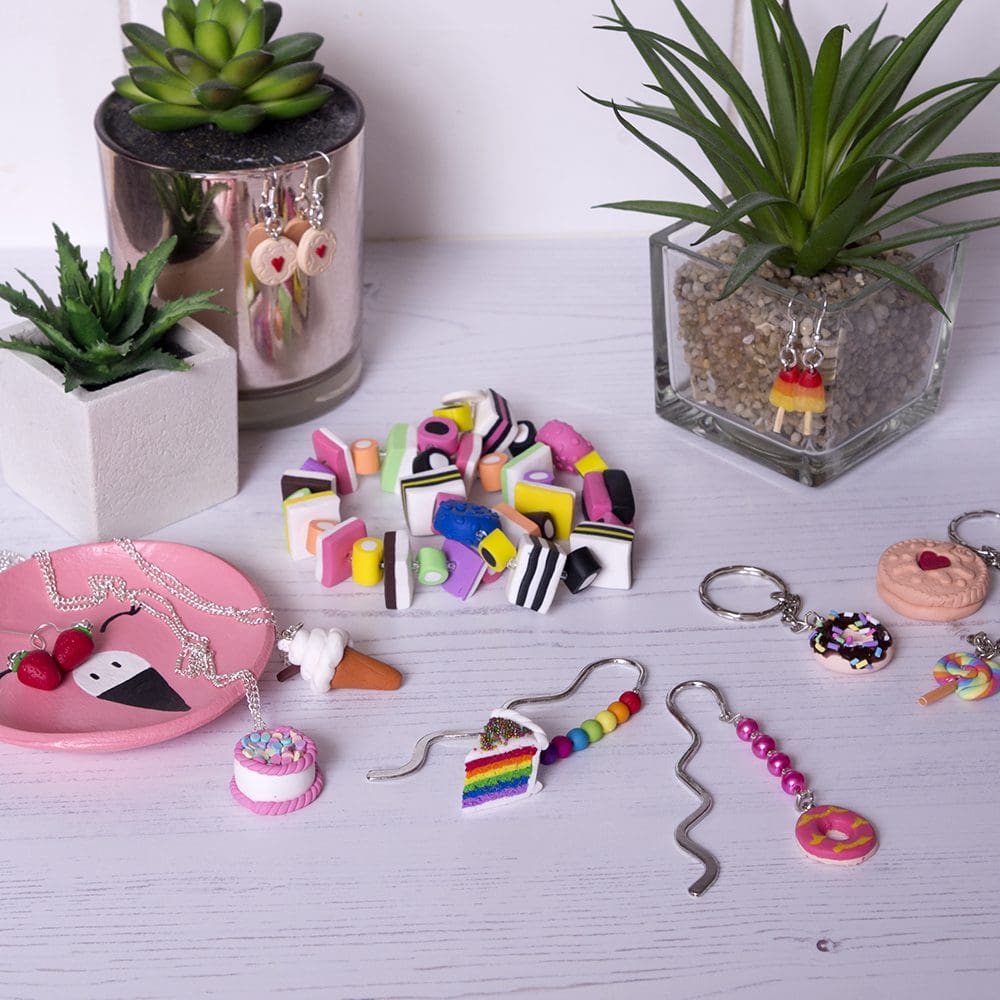
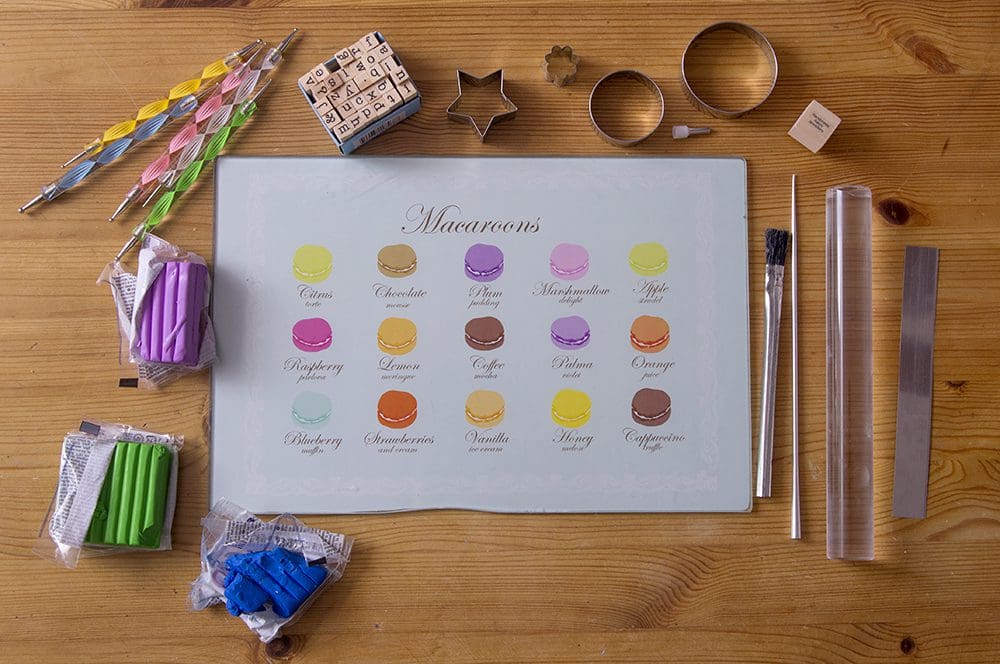
I’ve been using polymer clay since I was a child, initially making teeny tiny food for my dolls house.  My husband bought me a food themed polymer clay book many years ago, and after experimenting with cakes and sweets, decided to start selling the increasing number of makes I produced, mainly to clear some space!!  The rest is history, HRJ was born in May 2011!


I chose to continue the foodie theme as I love all things quirky and retro – I’m an eighties child, so the retro food you find at old school birthday parties is an absolute favourite at mine – plates of iced ring biscuits, fondant fancies, etc – whenever we have a birthday at home, we always have that kind of tea party to celebrate!  I think the theme brings a sense of nostalgia to childhood/good memories from the past (my allsorts sweetie bracelet was one of my very first makes, and is still so popular today, with the young and old!). I’ve now also started to branch out into homeware and decorations…but more on that in my next blog post!


Inspiration strikes me at any time – I generally get distracted by anything cute and quirky, especially colourful eye catching things.  I love kawaii styles, and have incorporated it into some of my pieces.  Current trends inspire me, as well as actual foods; being a keen baker, I follow lots of baking accounts on social media, and sometimes try to recreate something edible into clay form!  I also have had many commissions and special requests over the years, and some I have felt would be really popular, so have then made these into pieces for my shop too.

I joined TBCH in early 2020 and love the unique community of makers here, they are all so helpful and friendly, with each and every one making beautiful high quality handcrafted items.

Oh and if you’re wondering…my favourite biscuit to dunk in my cup of tea is….a chocolate bourbon or Lotus Biscoff!