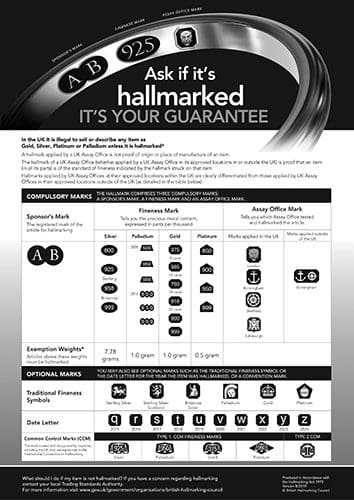
In the UK, to sell precious metals as silver, gold, etc it is
a legal requirement to have all silver weighing more than 7.78g hallmarked (for
gold it’s over 1g). To do this it must be sent to one of the 4 assay offices;
London, Birmingham, Sheffield, or Edinburgh. The assayers then test the purity
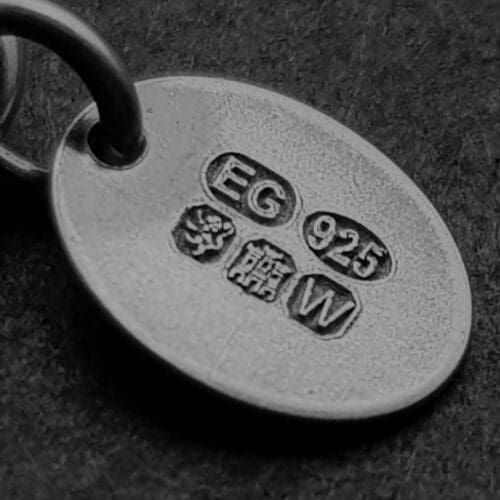
of the metal and, providing it meets the standards, hallmark with the sponsor’s
mark (the maker’s mark – usually initials), fineness mark (the precious metal
content expressed in parts per thousand), and the Assay office mark. Additionally, there are further hallmarks that
are optional including traditional fineness marks and date letters.
There are significant costs to the maker of adhering to
these hallmarking laws and it can somewhat impede the creative flow of said
makers, the upside being the assurance to the consumer that they can be certain
of the quality of the metal they are purchasing. Worldwide hallmarking laws are
not always as stringent and sometimes non-existent.