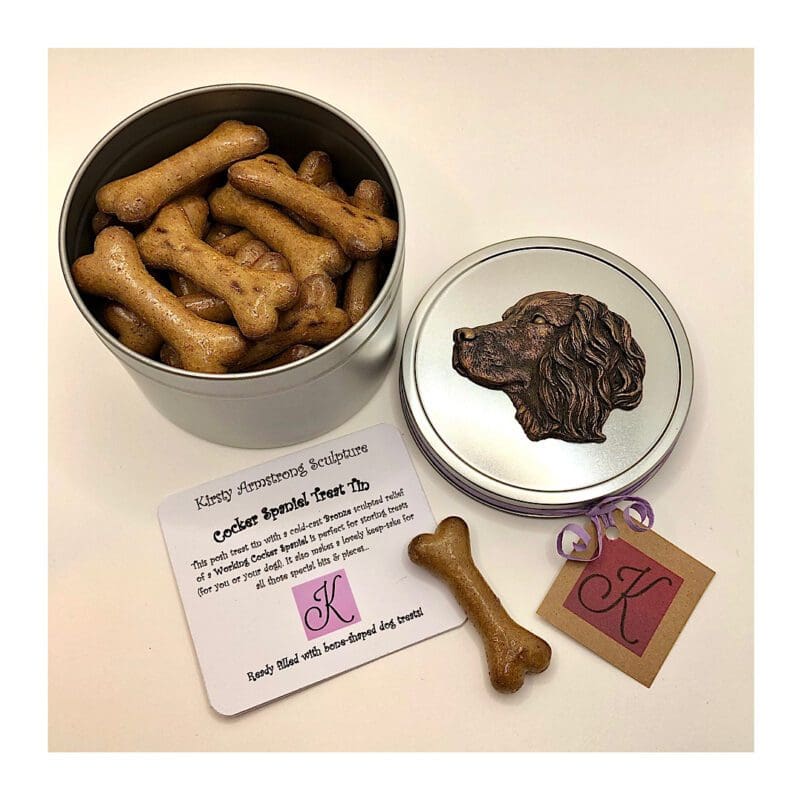
A new Cocker Spaniel treat tin!
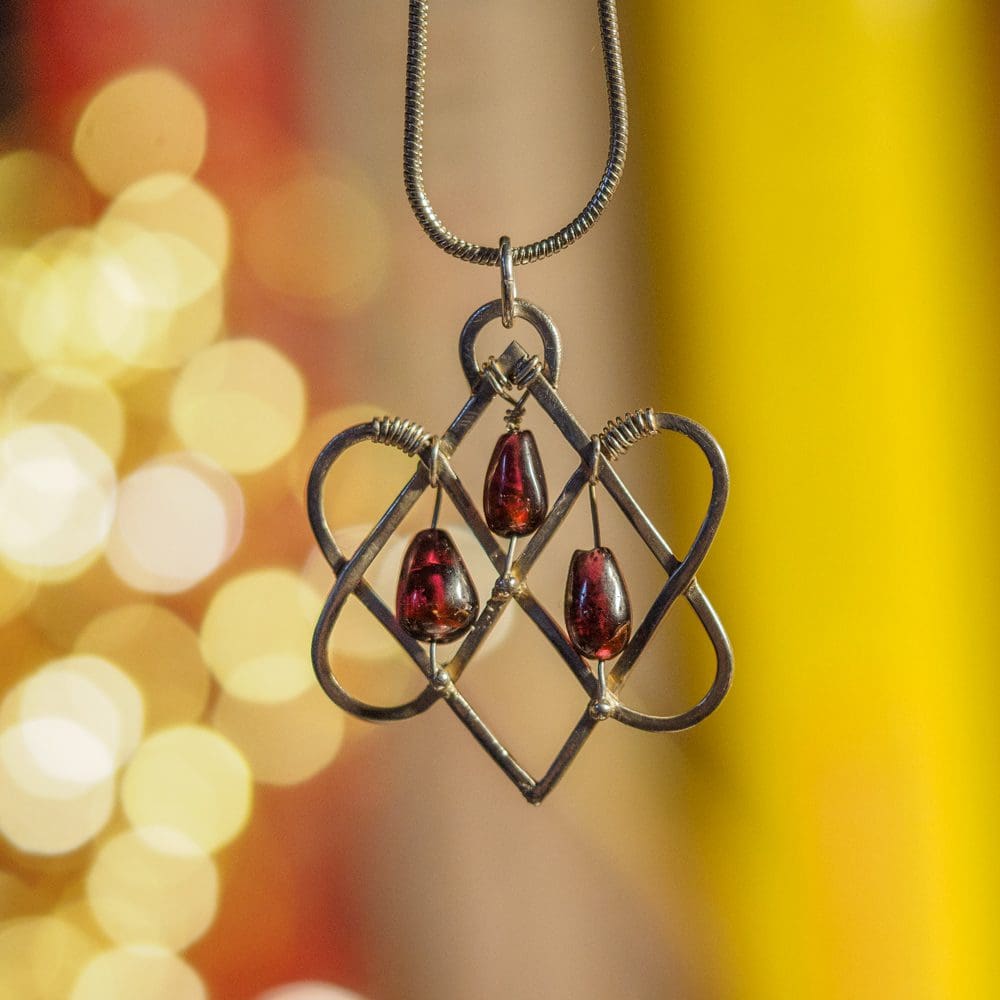
Do you celebrate Valentine’s Day? Is is important to give your loved one some attention, warm gestures, flowers and present just on this day? Are you looking for something unusual? I have some heart pendants in my shop. Maybe you will find something your loved one be happy with. Just take a look. Happy Valentine’s Day
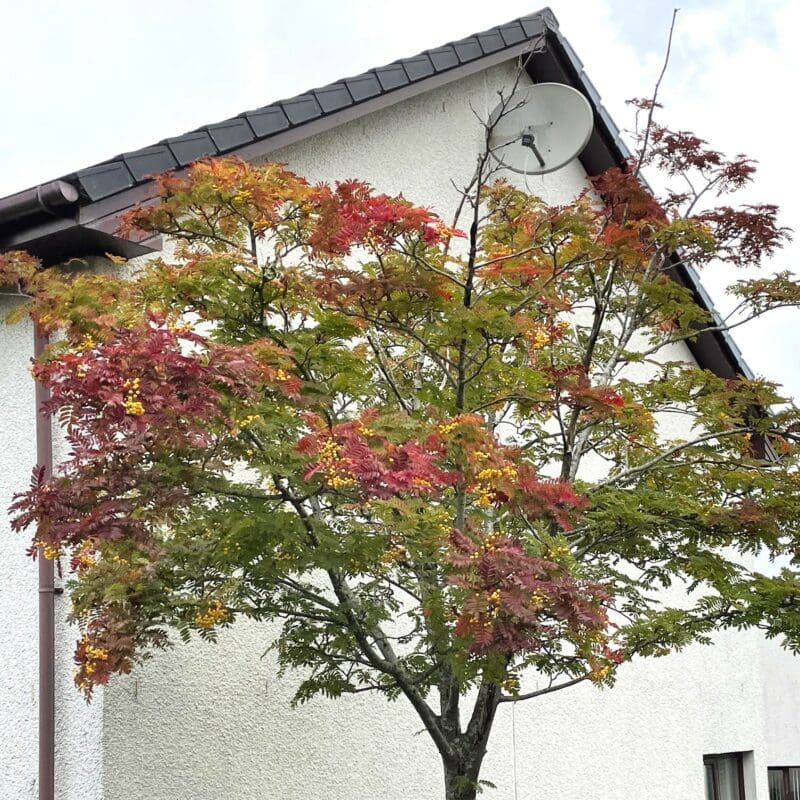
After slower rhythms in summer, autumn is a rush. The sort of rush where eventually you look up and the leaves have all fallen and you wonder when that happened.
But every year has its variations and it’s been warmer for longer this year. Instead of scurrying through wet and windy days, there have been brighter days too, with warm sun and piles of earth-scented leaves. I enjoyed rediscovering the forgotten musky-sweet smell of an oak tree and scattered acorns. And I particularly enjoyed the riot of autumn colours collected together on one rowan tree.
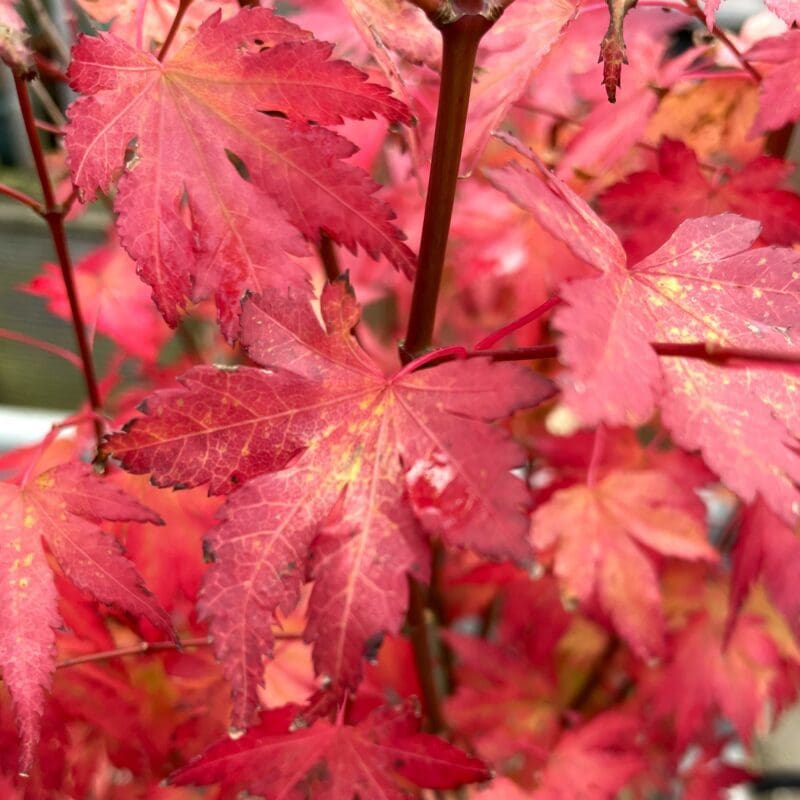
I have been trying to appreciate something of the goldenness of autumn. I feel like I haven’t got outside enough to do this, but the late afternoon light has often been lovely to watch from the kitchen.
Some of our flowers came out in the September sun rather than in July, so autumn brown and winter grey haven’t taken over the garden yet. I love seeing the lavender in flower. Purple buds and dried lavender are so familiar, but the fresh flowers are such a lovely colour. This year I’ve been catching at lavender whenever I remember, getting a brief moment of scent on my fingers.
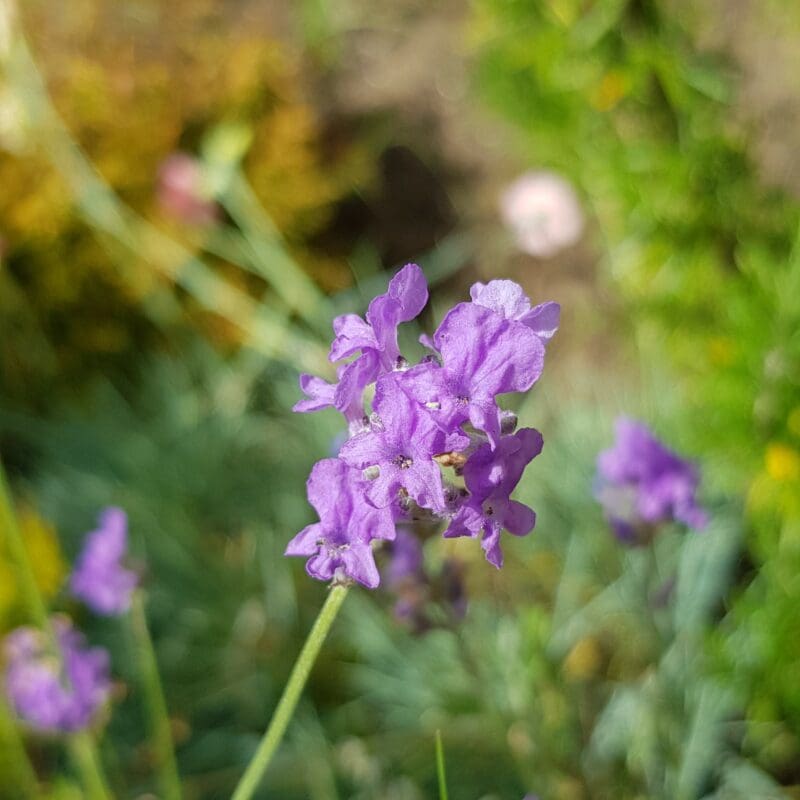
I love flowers with scent. One of the most rewarding ones is buddleia – I have a dried sprig in a vase which I picked in August. It still has a sweet honey-buddleia scent (up close), which is lovely to enjoy months after the flowers have faded.
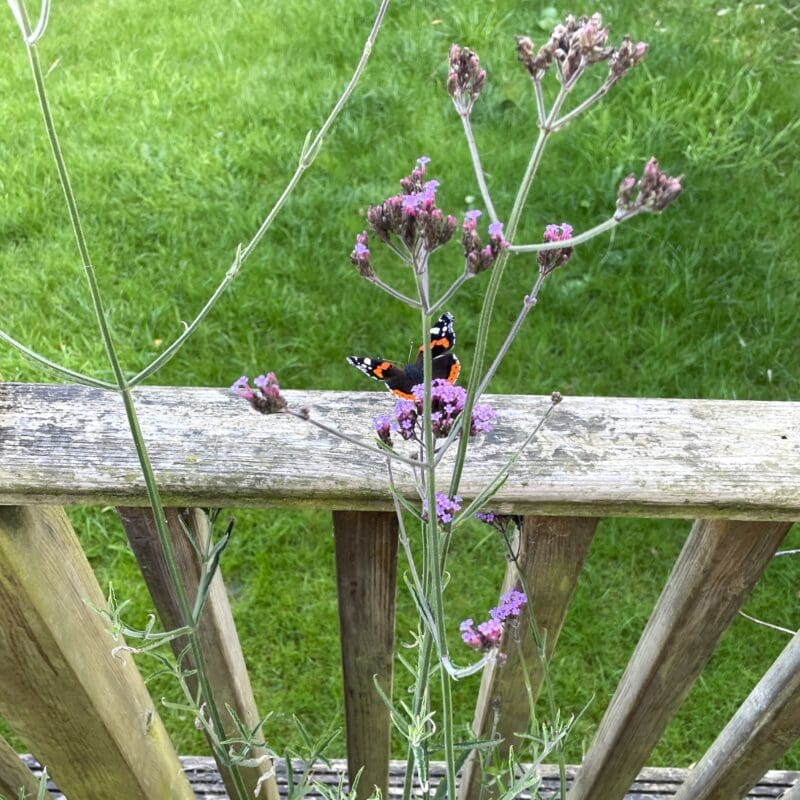
These are just little things that I am trying to pick up as life and work continue at pace. Every holiday is a deadline – a challenge to meet goals before routines and priorities change again. Holidays allow for a lot more noticing – and I often feel that I’m trying to catch up with all the noticing I couldn’t do in the rush of everyday life. I’m not getting outside quite as much right now, but I appreciate how this blog helps me to reflect on what I have seen, and also gives me a nudge about what else I could do to take time and stop on occasion. I still wander out into the garden for a short while now and then. There were late butterflies to enjoy last month, and the birds are always singing. Mostly it’s sparrows, but we have a melodic blackbird as well.
My next post will probably be at the start of December, which is the sort of month where Christmas tasks can take three weeks to be whittled away, and where I start setting a timer to get through small chunks of different tasks every evening. I think of November as the eye of the storm, so I will enjoy the relative calm.

Hi, I’m Rachel from Sweet Thorn. My plan with this blog – which I think I will call Taking Notes – is to continue developing a habit of noticing details in nature.
Some years ago, when I was thinking over ideas about embroidery and what I found inspiring, I realised I had lost the time to notice details we see every day. Nettles and dandelions, or the flowers we see in
hedgerows and brownfield sites, get taken for granted. But, given the time, I like looking more closely at plants and flowers, to see the detail of petals and leaves and notice distinctions. I also like to know what I’m looking at. I realised how easy it was to glance at a hedgerow and label the lacy flowers as umbellifers, without knowing which ones were cow parsley and which were Queen Anne’s Lace. Or hemlock for that matter.
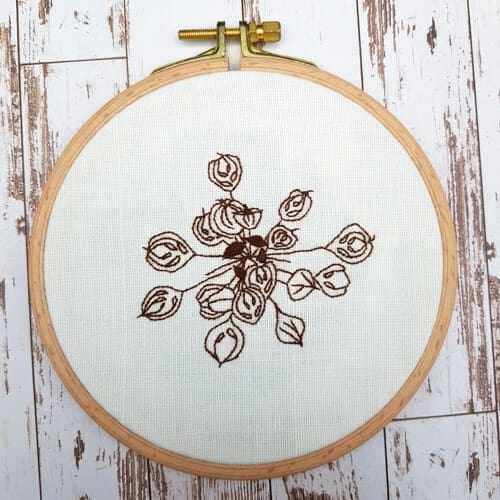
My embroidery art is influenced by these small details, many of which I have learned only in the last few years, through taking photos and looking up what I’ve seen. There are a lot more white and lacy umbellifers than I knew, and their flowers are so varied! The seed heads can be just as intriguing – cow parsley seed heads have exquisite little curling details like filigree. Other plants are a bit more familiar – I particularly enjoyed stitching the distinctive heart-shaped seeds pods which make shepherd’s purse so easy to identify.
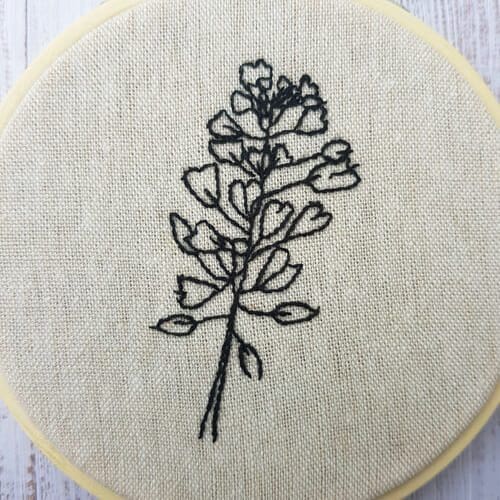
Hand stitching is an excellent way to highlight details and draw the eye but of course it develops much more slowly. I choose my subjects carefully – I want to be able to recreate my sketches in thread and communicate
what I find most captivating. But even simple designs take time. The advantage of this is that hand embroidery creates a lovely, careful rhythm of work. But writing will add to the scope of embroidery, as I can describe a wider variety of plants more easily. I can also communicate more than the appearance of different wildflowers – I can talk about the fragrance of honeysuckle, juicy blackberries and the feel of leaves in different seasons. I am hoping that taking the time to reflect will allow me to notice more details each time I go out, and that the busyness of life can be balanced against things like noticing the shape of hawthorn leaves or the gleam of rowan berries.
I’ll be back next month – thanks for reading! All best,
Rachel
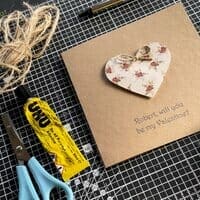
Do you ever find yourself keeping hold of greeting cards to remember special occasions, but soon find them taking up so much space you just don’t know what to do with them? Well worry no more with my top three ideas on how you can reuse them!
1) Why not spread the love further, by cutting off the front cover and turning them in to postcards you can send on to deliver some happy mail to friends and family?!

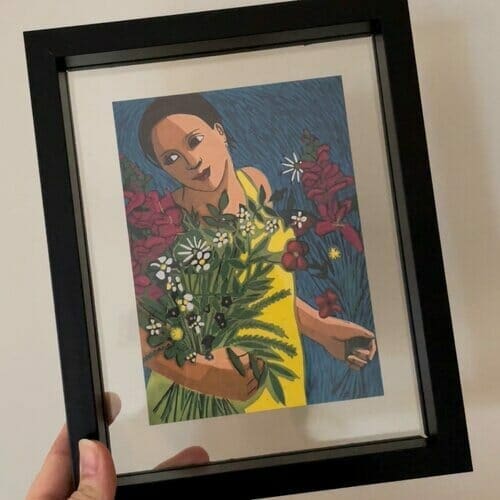
2) Add your favourites to a frame for some instant wall art!
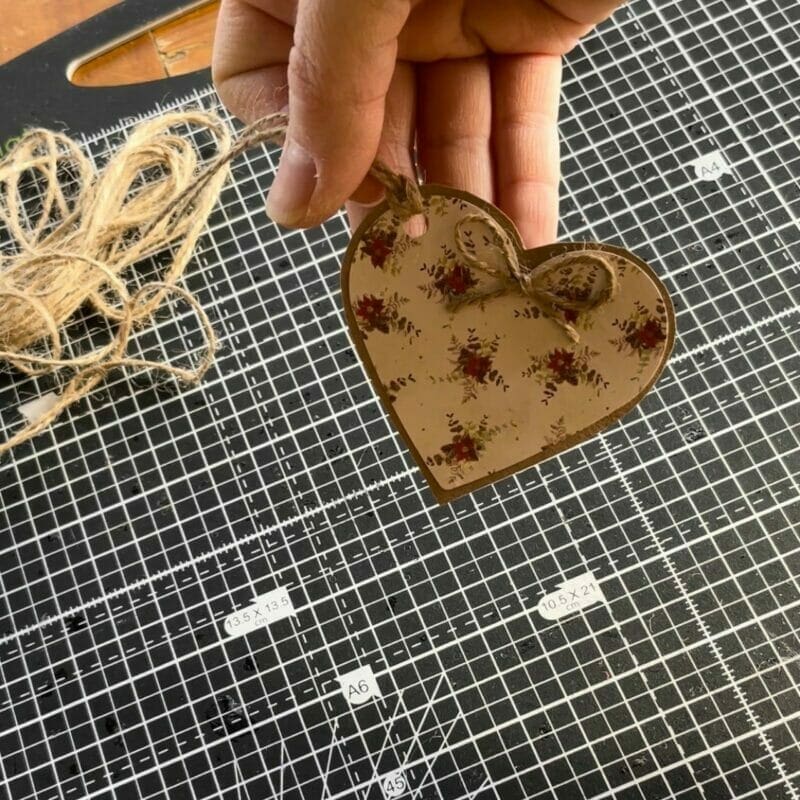
3) Crack open the craft supplies and turn them in to gift tags!
I’d love to hear if you have other ideas – let me know in the comments below!
If you follow me on Instagram, you may have seen that I took part in The British Craft House January Instagram challenge. The idea is that you follow a set of prompts everyday throughout the month, helping you to create content and engage with your audience. With March seeing the start of Meet the Maker from Joanne Hawker, and it maybe seeming like a bit of a daunting challenge, I thought I’d share my five top reasons why it’s worth getting involved!
1. It provides you with content ideas and encourages you to think outside the box!
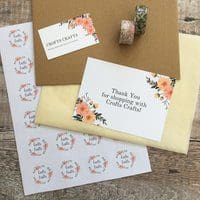
Hands up if you sometimes sit staring at your phone, drawing a blank on what to post for the day? I know I certainly do! With daily prompts throughout the month, these challenges do a lot of the thinking for you! They provide inspiration for daily posts and a chance to be creative – it’s completely up to you how you interpret the prompt! From prompts such as ‘packaging’ and ‘logo’, to ‘daily routine’ and simply ‘favourite colour’, you can post as little or as much about your business or personal life as you want!
2. It helps you get seen and gain followers – in an authentic way!
Most Instagram challenges suggest a hashtag that you can add to your posts such as #TBCHJanChallenge or #MarchMeetTheMaker. That way people can scroll the hashtag and see everyone that’s involved. So it’s a great way not only for you to find fab new businesses and accounts to follow, but for new people to find you too – and hopefully if they like what they see they’ll become a follower and at some stage, make a purchase!
3. It gives you an opportunity to show another side of your business
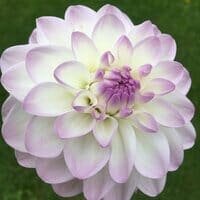
Quite often we can fall down the trap of only showing product photos, or only talking about our services. Personally, I think that’s totally fine if that’s what you want to do, but if you’re interested in branching out and sharing new content but not sure how, this is a great way to start. People do love to see a bit of the ‘behind the scenes’ and to get to know the person behind the brand – it helps build trust with your customers. People buy from people, or so they say! My most popular posts over the last year have been ones about gardening and dahlias, rather than my cards, and that’s fine! But hopefully when the people that enjoy those posts need a card, Crofts Crafts will be the first place that springs to mind!
4. It’s fun and boosts your engagement!
What I find great about these challenges is the sense of community and fun they create. If you’re posting content that’s different to usual, it can spark some interesting conversations with your followers in your comments and DM’s, which helps boost your engagement and in turn helps you get seen. It’s always fun to find out more about your fellow makers or even just to share thoughts on prompts you struggled with or weren’t so keen on!
5. You don’t have to post every day
Yep, you read that right. As mentioned above, these challenges are supposed to be fun – if you are struggling to come up with an idea, are too busy, or simply don’t like a prompt or want to share what’s being suggested – that’s ok! I’ll let you in on a secret – I’ve taken part in a few of these challenges over the last few years and I am still yet to complete one fully, posting everyday. And that’s totally fine! If you are taking part, it also doesn’t mean that you can’t post other stuff if you feel like it either. The accounts that host these challenges do it to help you build your online presence, but one of the things I love most about them, is being able to dip in and out as I choose, without any pressure and just make the most of the inspiration and motivation when I need it!
I’ll be attempting to take part in this year’s #MarchMeetTheMaker with Joanne Hawker over on Instagram starting on 1st March if you fancy joining in or just following along – but no promises I’ll be posting every day! 😉 Find out more about it here. Will you be taking part? Have you joined challenges in the past? I’d love to hear your thoughts in the comments below!
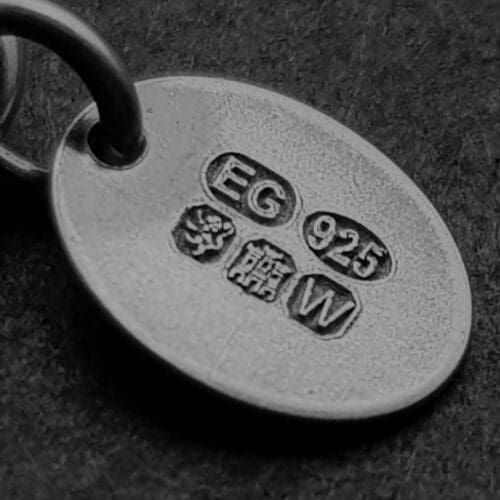
In the UK, to sell precious metals as silver, gold, etc it is
a legal requirement to have all silver weighing more than 7.78g hallmarked (for
gold it’s over 1g). To do this it must be sent to one of the 4 assay offices;
London, Birmingham, Sheffield, or Edinburgh. The assayers then test the purity
of the metal and, providing it meets the standards, hallmark with the sponsor’s
mark (the maker’s mark – usually initials), fineness mark (the precious metal
content expressed in parts per thousand), and the Assay office mark. Additionally, there are further hallmarks that
are optional including traditional fineness marks and date letters.
There are significant costs to the maker of adhering to
these hallmarking laws and it can somewhat impede the creative flow of said
makers, the upside being the assurance to the consumer that they can be certain
of the quality of the metal they are purchasing. Worldwide hallmarking laws are
not always as stringent and sometimes non-existent.
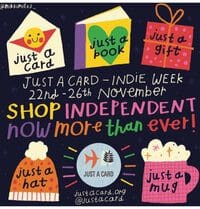
If you follow any small businesses on social media, you may have noticed a lot of shouting about Just a Card Indie Week recently – but what exactly is it all about?!
Just a Card is a fabulous campaign focused on encouraging people to support independent makers and artists, and to shop small – you can learn more about it in my previous blog post here. Throughout Indie Week we’re given a series of social media prompts to follow and it’s the ideal opportunity for small businesses to promote their work and share why shopping small is so important. The week culminates in Indie Friday, an independent creative alternative to Black Friday, where we ask shoppers to consider shopping small from independent businesses rather than the massive retail giants – even switching just one purchase to something from a small maker can make a big difference (Holly Tucker talks about this more here in a recent Forbes article)!
So to help you along with some gift and shopping ideas, and in the spirit of today’s Just a Card prompt of celebrating independents, here are a few of my own favourite small businesses below!
Happy shopping – and please do comment below with any favourite small businesses of your own!
Small Business Saturday – Small Business, Big Difference.
Small Business Saturday is a grass-roots, non-political, non-commercial campaign that encourages people to support small businesses in their communities, both on the Saturday itself and beyond. The campaign also aims to support, inspire and promote small businesses all year round.
On Small Business Saturday, you can help to make a real difference by choosing to shop small, shop local and shop independent.
Supporting my small business
For me it’s all about helping to fulfil the dream. When you buy from an independent maker, like me, it means that you recognise the dream that I have nurtured and the hours that I have spent exploring and experimenting with my craft. It means that you appreciate the skills that I have honed and the love that I have invested in the piece that you have chosen. It gives me a huge boost to know that someone else can see the value in my work, and in turn it gives me the confidence to continue to grow my small business. In return, I hope that you enjoy the piece that you have chosen, whether that is for yourself, or whether you take pleasure in the act of gifting it to someone else.
If you have bought something from me, thank you.
There is no big budget marketing campaign, or team of employees helping to run my small business. It’s just me. I am a self-taught designer and creator, buyer, photographer, marketing manager, accountant, blogger, packer, delivery driver, sales manager and general spinner of plates!
I truly appreciate your support.
Why I’ll be Supporting Others
It’s so important to support independent businesses, artists and makers, and those businesses who try to support them. There is such a diverse wealth of talent in this country and we should be celebrating all that creativity. Supporting small business means supporting your community and the ripple effect which that can have in generating positivity, well-being and goodwill is so vital to the survival of, not just the businesses themselves, but their area as a whole. It’s self-fulfilling, if I buy from my local independents, they can buy from someone else. Maybe they open a shop on my local high street and that in turn encourages other new business and visitors to the area. Investing in my local independent artisans and producers means investing in my local community and that has to be good for everyone.
Supporting each other in our handmade community, here at The British Craft House is something we are all really proud of.
Did you know that Susan Bonnar, founder of the platform, is one of the
Small Business Saturday UK Small Business Heroes!
This year, I’m doing my bit for Small Business Saturday by supporting some of my favourite British Craft House fellow makers.
Godrevy Textiles
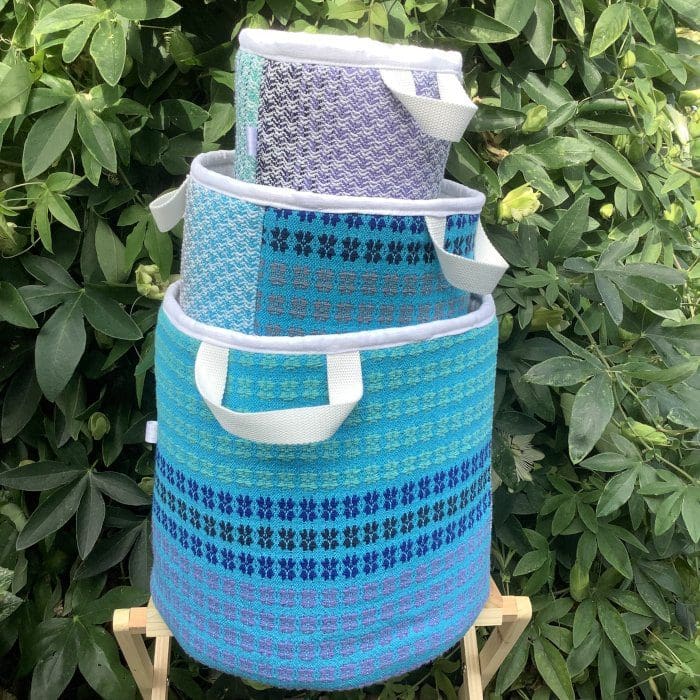
Sarah is a weaver/maker based on the beautiful Lizard Penninsula in Cornwall. We met for real whilst I was down on holiday this year! Sarah produces her own exquisite hand-woven cloth on her cottage loom, and the transforms it into wonderful home accessories and gifts.
RedheadWondering Hand Bound Boooks
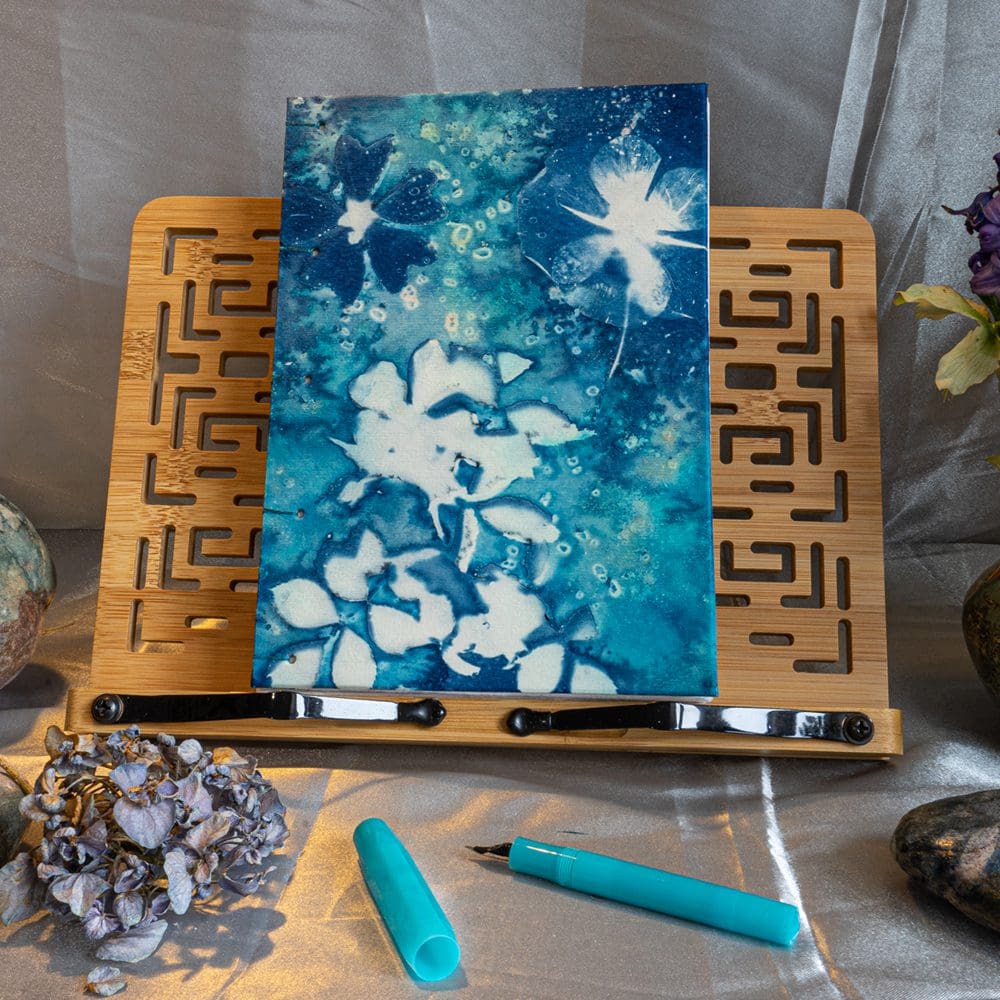
Lizzie is a wonderful wordsmith and loves to encourage everyone to record their thoughts. She handmakes the most beautiful Coptic bound journals with incredible cyanotype designs, each inspired by nature. These books are perfect for journals or diaries, for sketchbooks and photograph albums, or for whatever you might want them to be.
Sally Thake Jewellery
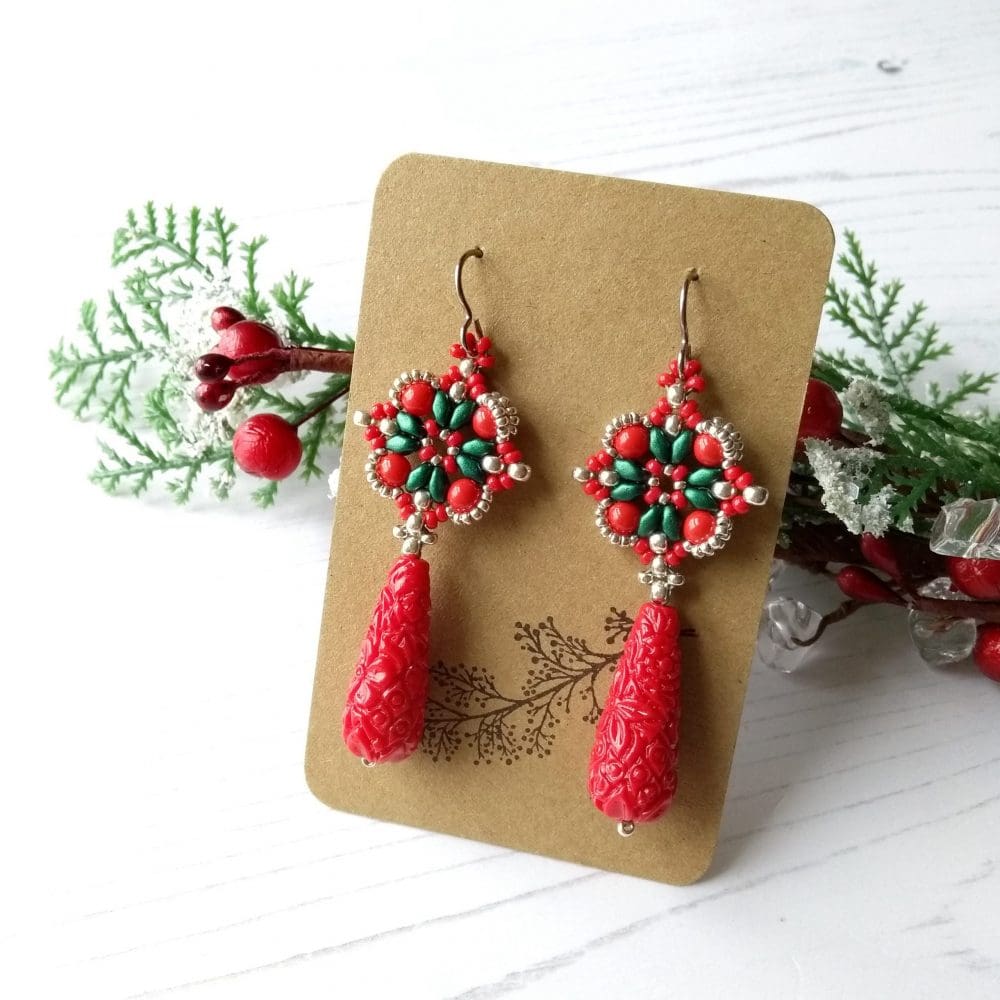
Sally has the most nimble of fingers, creating the most intricate pieces of jewellery using a myriad of tiny seed beads and her work is influenced by the impact of the seasons on the surrounding countryside of the Cambridgeshire Fens.
This year’s Small Business Saturday takes place on December 4th.
Please support your favourite small businesses.
Thank you.
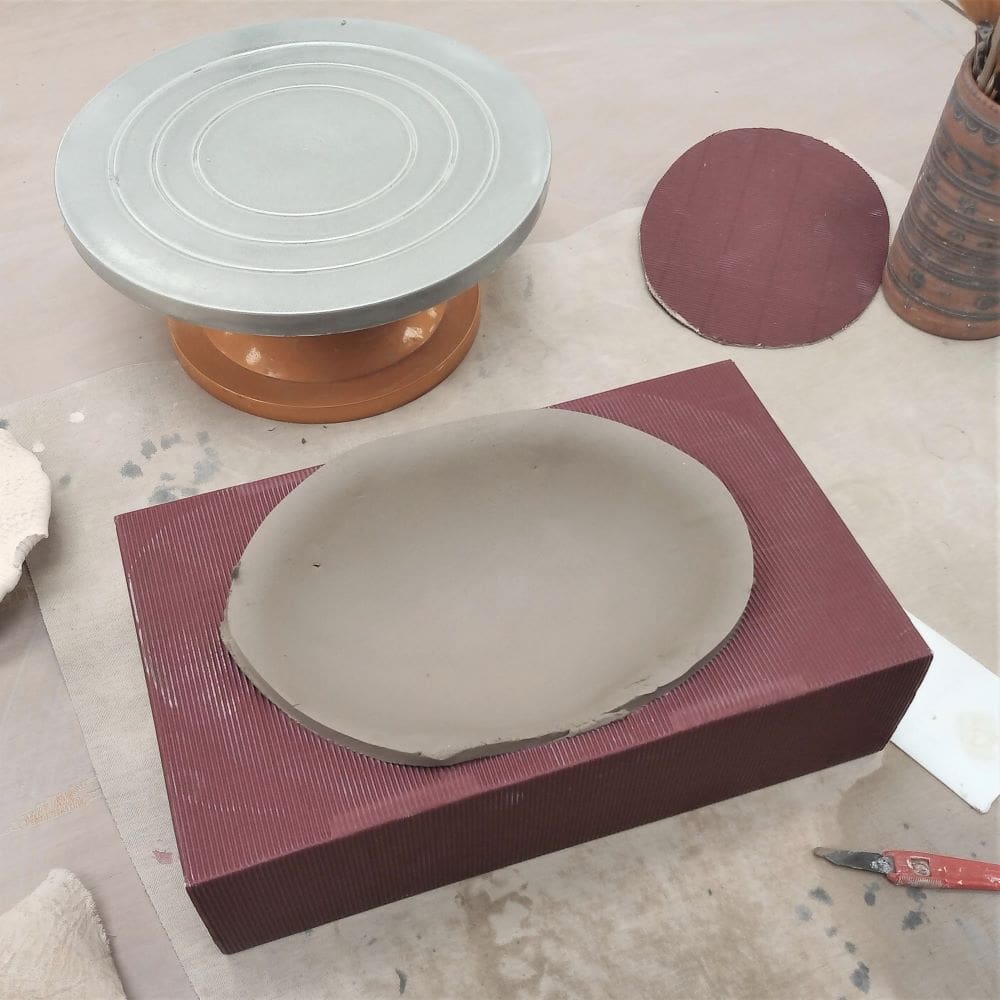
Slump mould? This is an obvious term for a hand-building potter but may raise a few eyebrows in the uninitiated. I will first explain, then I will share with you a cheap & cheerful method to make a home-made slump mould.
Slump mould
This is a concave mould, like the shape of the inside of a bowl, intended to take the clay inside the curve of the mould.
Usually in a pottery studio, a slump mould is made from plaster of Paris. The clay can be put into the mould as a rolled-out slab or as balls, spirals or strips of clay.
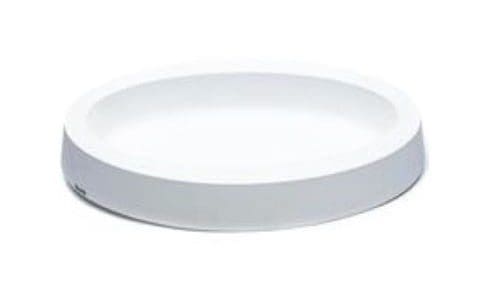
The inside surface of the slab form is exposed, allowing it to be decorated with underglaze, slip or impressed marks
The outer face of the slab is in contact with the mould, which will shrink away from the plaster of Paris as the clay dries.
Homemade slump mould
This is my version of a homemade slump mould …
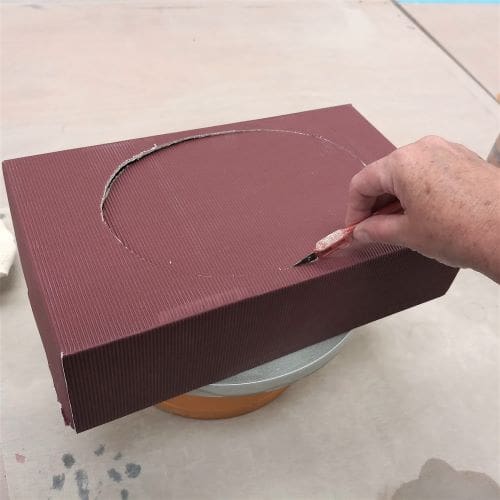
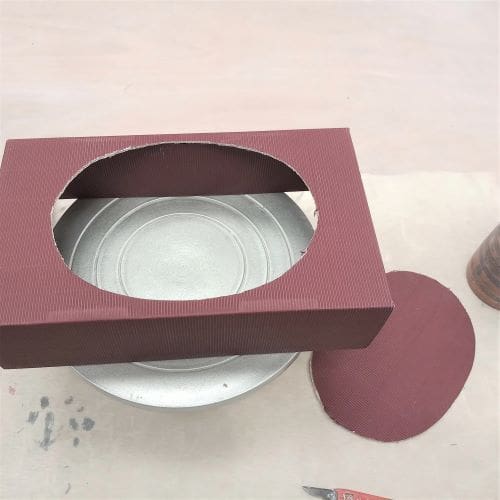
You will need a strong cardboard box & a sharp knife (plus of course your clay!)
Draw the shape of the rim onto the box – in this case I am going for an oval rim – and cut aound the shape with a sharp knife.
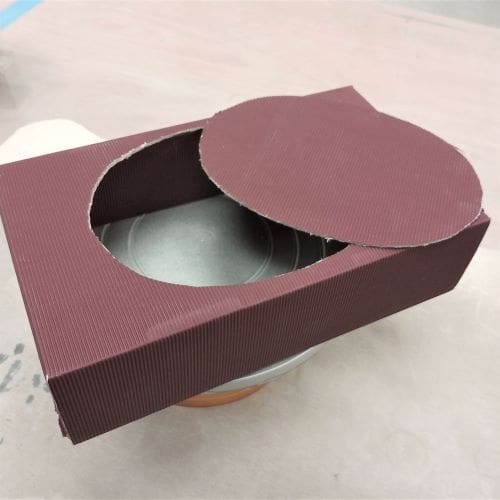
Then place a rolled out slab of clay over the cut-out opening …
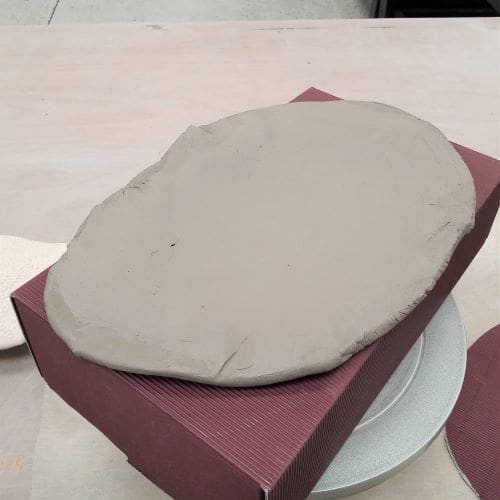
Pick up the box and drop it from about 15cm away from the table, the clay should slump slightly into the hole … keep dropping it until the clay has reached the depth you want.
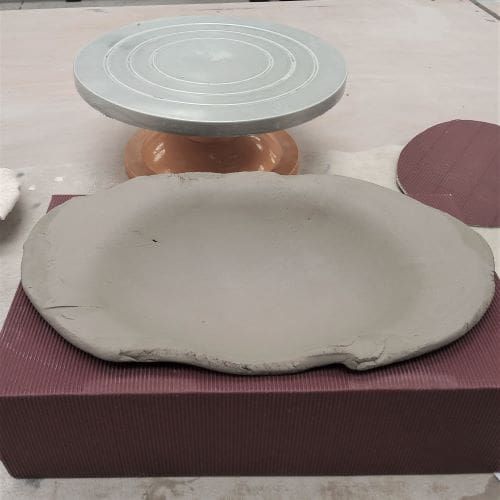
Finally, trim the excess clay from around the rim …
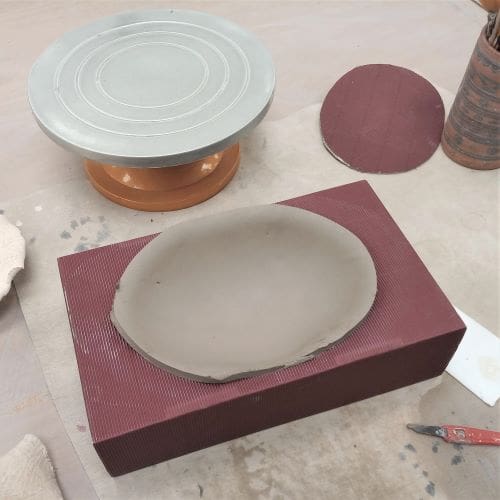
Ant turn out the completed form onto a board to dry.
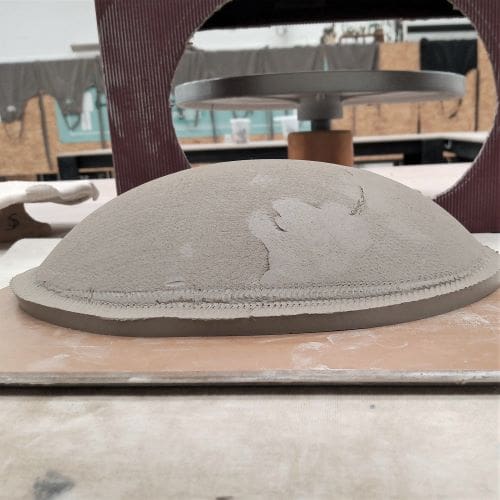
My next blog will be about a homemade hump mould …