Posted on

Meet the Maker – Laura Llewellyn Design

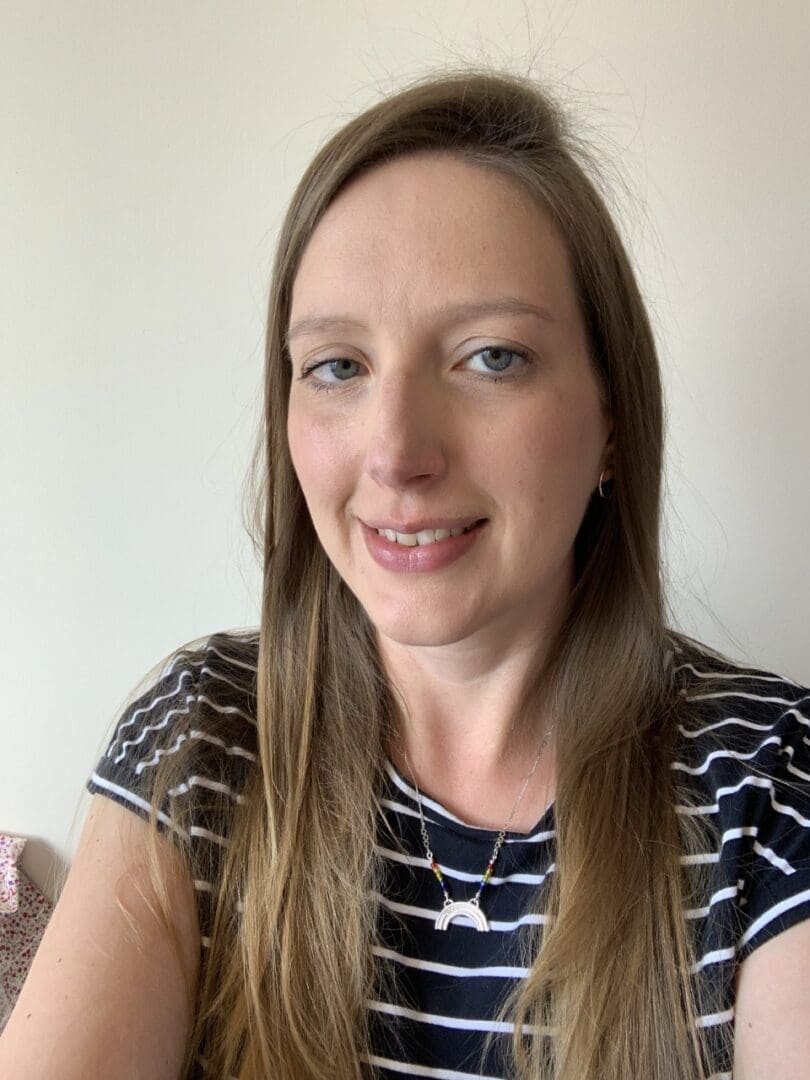
Laura Llewellyn designer and jeweller

Laura Llewellyn – Meet the Maker

I initially started making jewellery whilst studying for my Foundation Degree in Art and Design; having always been creative this was a fantastic course to do. When I first started the course I thought I would go on to study graphics or photography at university as these were 2 of my A level subjects.  After a few weeks one of my tutors suggested trying jewellery making; I signed up for an evening class and the rest is history!

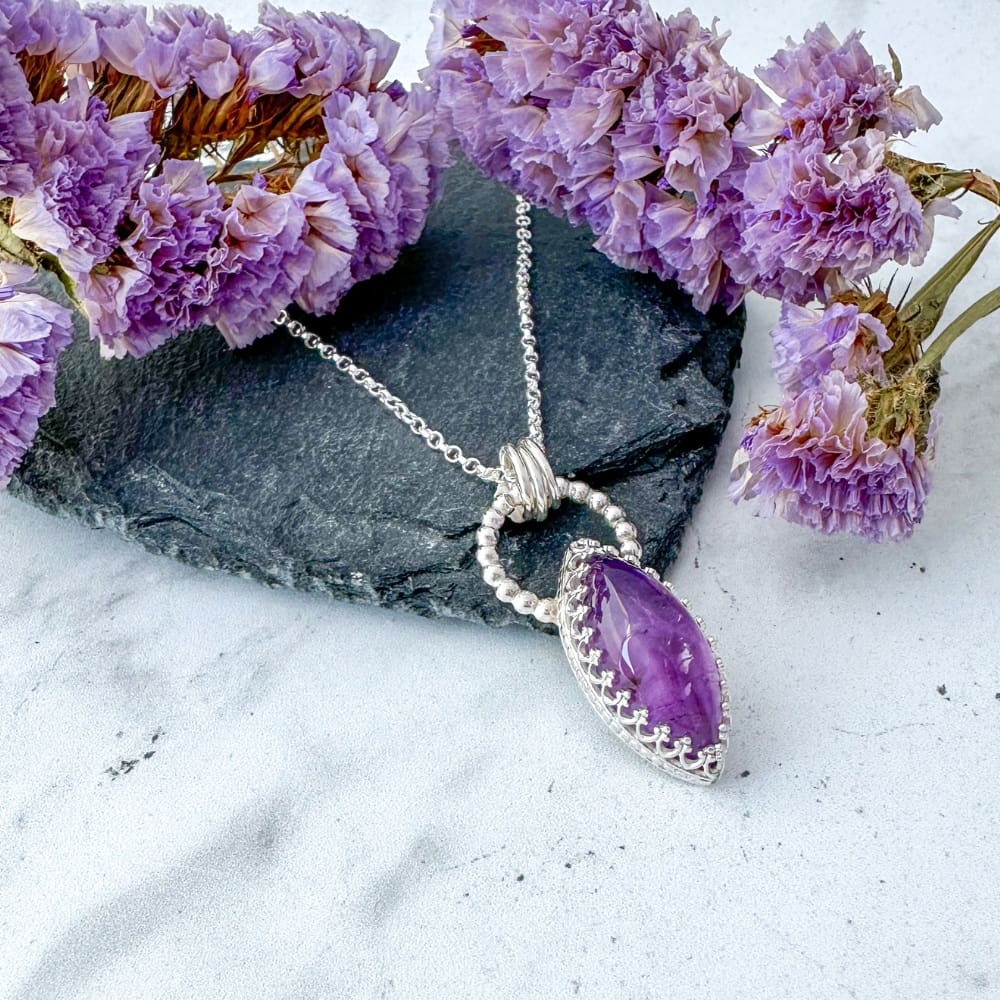
Amethyst gemstone necklace handmade in sterling silverI went on to study at the University for Creative Arts in Rochester and my degree is in Silversmithing, Goldsmithing and Jewellery Design.  Once I finished studying I worked in the jewellery industry in various roles including retail, wholesale, designing, manufacturing and managing a shop. I’ve always worked for small independent companies so my responsibilities were always varied giving me a great overview of the industry.

After a few years I also began to teach at our local college
in the evenings eventually going on to take over the course I had initially began my jewellery journey on! After a few years of juggling jobs I decided to go completely self employed in 2016 and set up Hampshire School of Jewellery which I still run now.

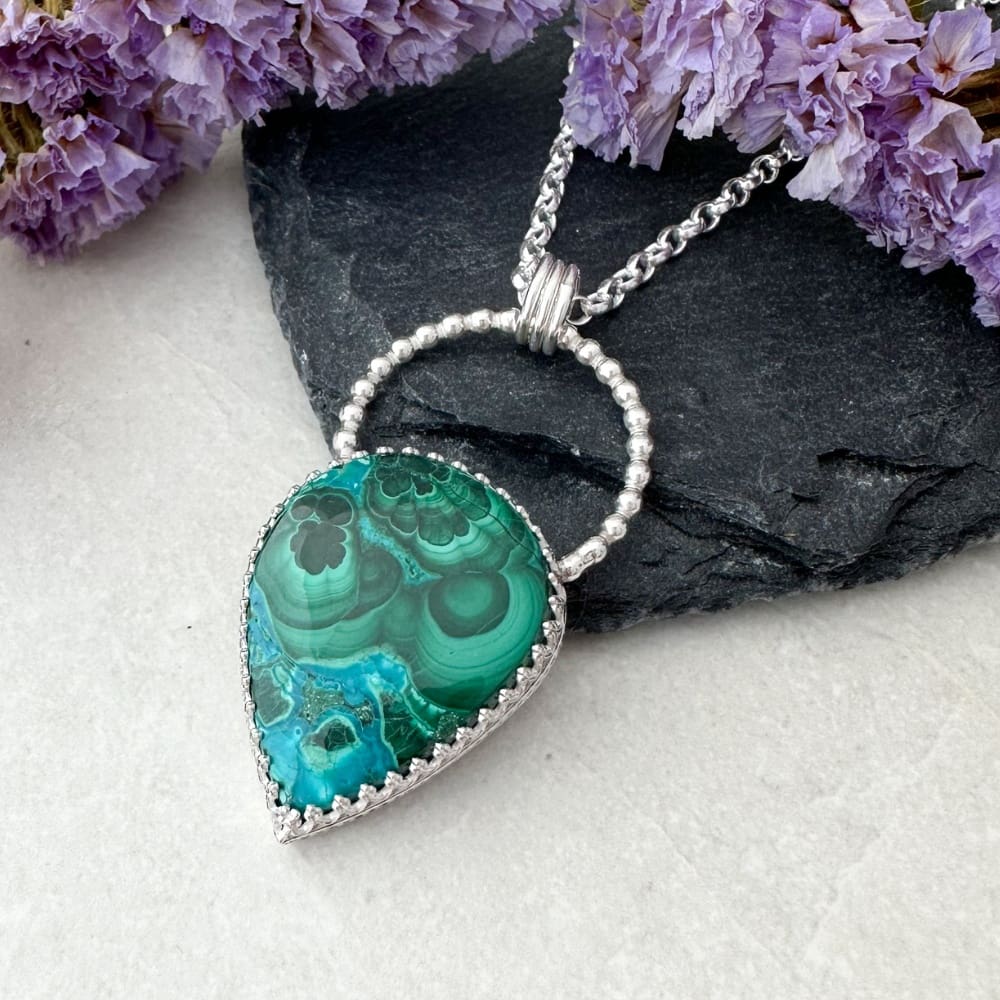
Green Chrysocolla Malachite gemstone set in a sterling silver handmade necklaceHaving always designed and made jewellery for friends and family I set up Laura Llewellyn Design in 2017.  I work mainly in silver but do on occasion use gold and platinum. I love to search for beautiful gemstones to set in my pieces; I tend to only purchase one (or two for earrings) of each gemstone so you really are getting a one off unique piece of jewellery.

My work doesn’t have a set style; I love to work in different mediums exploring materials and making jewellery that I would love to wear myself.   It can be hard to part with the one off gemstone pieces I make!  I use a mixture of sterling and fine silver in my pieces and combine traditional silversmithing techniques with the more modern way of using silver clay depending on what I want to create. Each element of my designs is handmade including the individual stone settings.

If you see something you like but you would like it altered please get in touch to enquire from changing a chain length or sourcing a different gemstone I will always do my best to help.  I also work on bespoke commissions if you have a particular design in mind and I will work with you to create this.

I am proud to be a member of the British Society of
Jewellers and in the summer of 2020 I passed my Accredited Jewellery Professional Diploma with the Gemmological Institute of America (GIA)

I was thrilled to be chosen as a winner of Small Business Sunday by Theo Paphitis in August 2021.

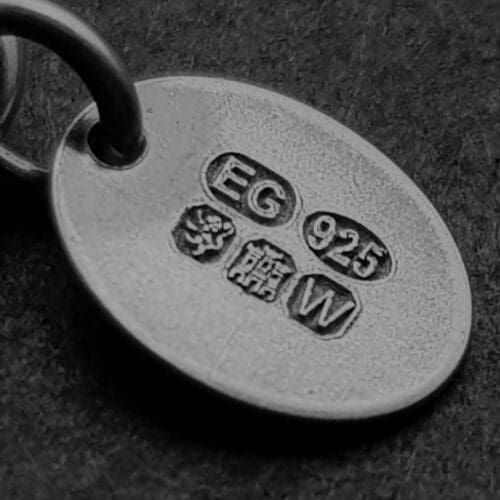
My hallmark is registered with the London Assay Office and any work requiring hallmarking is sent here to be checked.  Please see my hallmarking blog for more information.

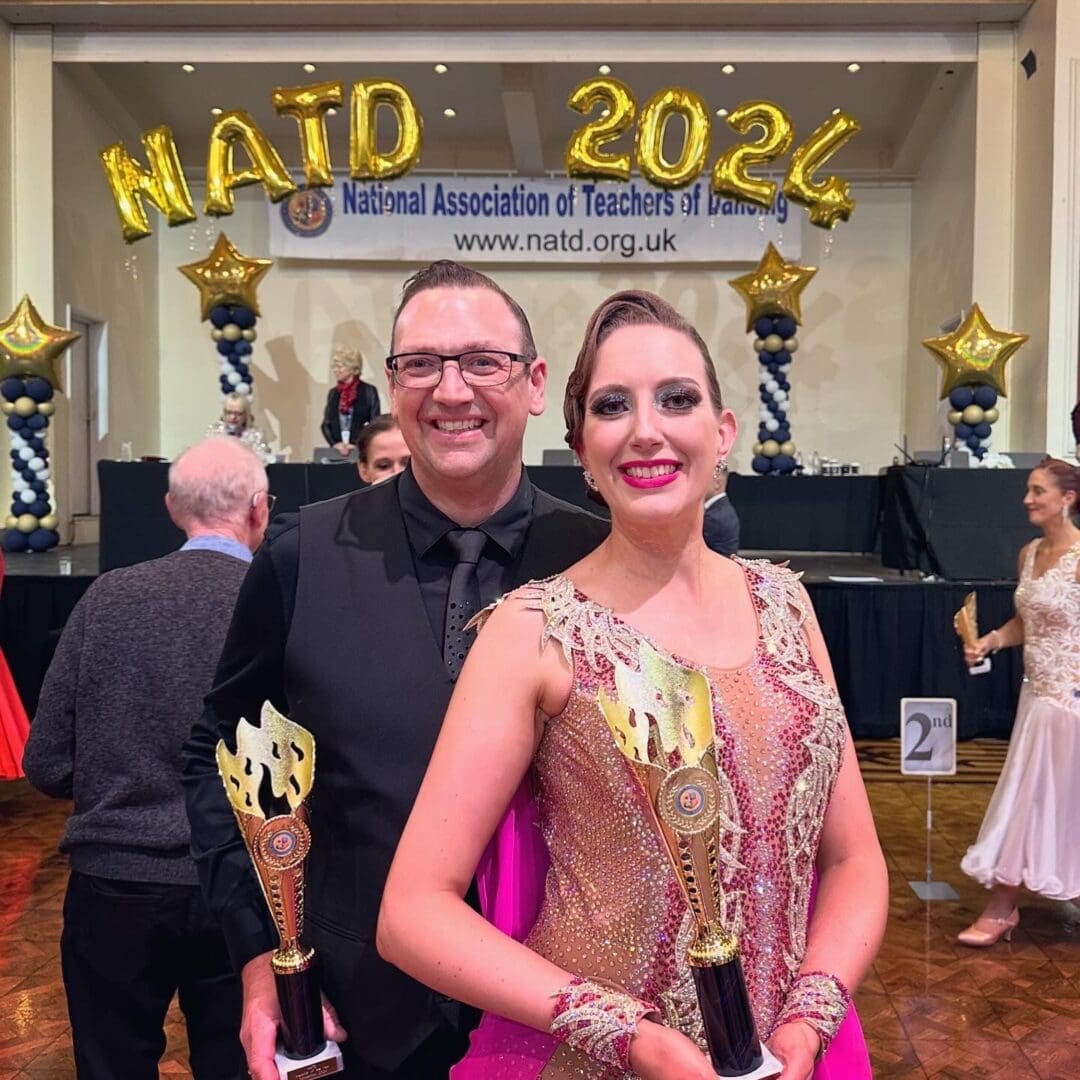
My other interests include baking, travelling, sewing and mixing cocktails. My hubby and I dance ballroom and latin.  We compete around the country at various competitions and in July 2024 won our couples category at the Blackpool finals. I am also addicted to nail varnish which is highly impractical for a jeweller!

Thank you for taking the time to visit my shop and read my blog.  You can stay up to date with my
latest creations by following me on social media.

 Please do not hesitate to get in touch if you have any questions at all

Laura x


Posted on — Leave a comment

Valentine’s Day

Do you celebrate Valentine’s Day? Is is important to give your loved one some attention, warm gestures, flowers and present just on this day? Are you looking for something unusual? I have some heart pendants in my shop. Maybe you will find something your loved one be happy with. Just take a look. Happy Valentine’s Day

Posted on — Leave a comment

Hallmarks in the UK

In the UK, to sell precious metals as silver, gold, etc it is
a legal requirement to have all silver weighing more than 7.78g hallmarked (for
gold it’s over 1g). To do this it must be sent to one of the 4 assay offices;
London, Birmingham, Sheffield, or Edinburgh. The assayers then test the purity
of the metal and, providing it meets the standards, hallmark with the sponsor’s
mark (the maker’s mark – usually initials), fineness mark (the precious metal
content expressed in parts per thousand), and the Assay office mark.  Additionally, there are further hallmarks that
are optional including traditional fineness marks and date letters.

There are significant costs to the maker of adhering to
these hallmarking laws and it can somewhat impede the creative flow of said
makers, the upside being the assurance to the consumer that they can be certain
of the quality of the metal they are purchasing. Worldwide hallmarking laws are
not always as stringent and sometimes non-existent. 

Posted on — Leave a comment

What are the differences between sterling silver and fine silver clay?

In my work I use a combination of sterling and fine silver; each medium has its own benefits for different jobs.

Sterling Silver

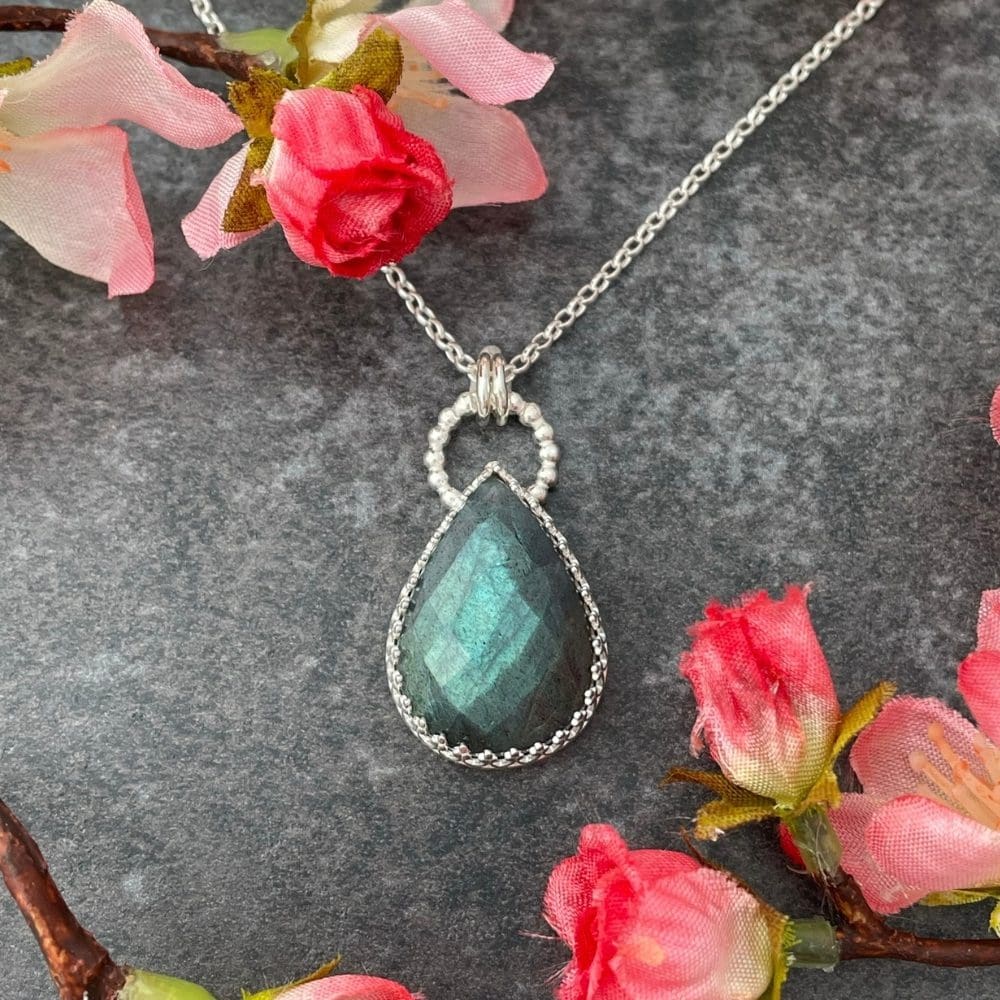
Green Blue Labradorite Gemstone Pendant Necklace

The traditional ways of working with sterling silver and other precious metals has been around for
thousands of years.  Using tools such as hammers, saws and soldering components together. 

You may have seen the stamp or hallmark ‘925’ on an item of silver; this is the symbol for sterling silver and the number comes from the amount of silver that is ‘in the mix’.  Of 100 particles 92.5% are silver and the other 7.5% are a mix of copper and other alloys.

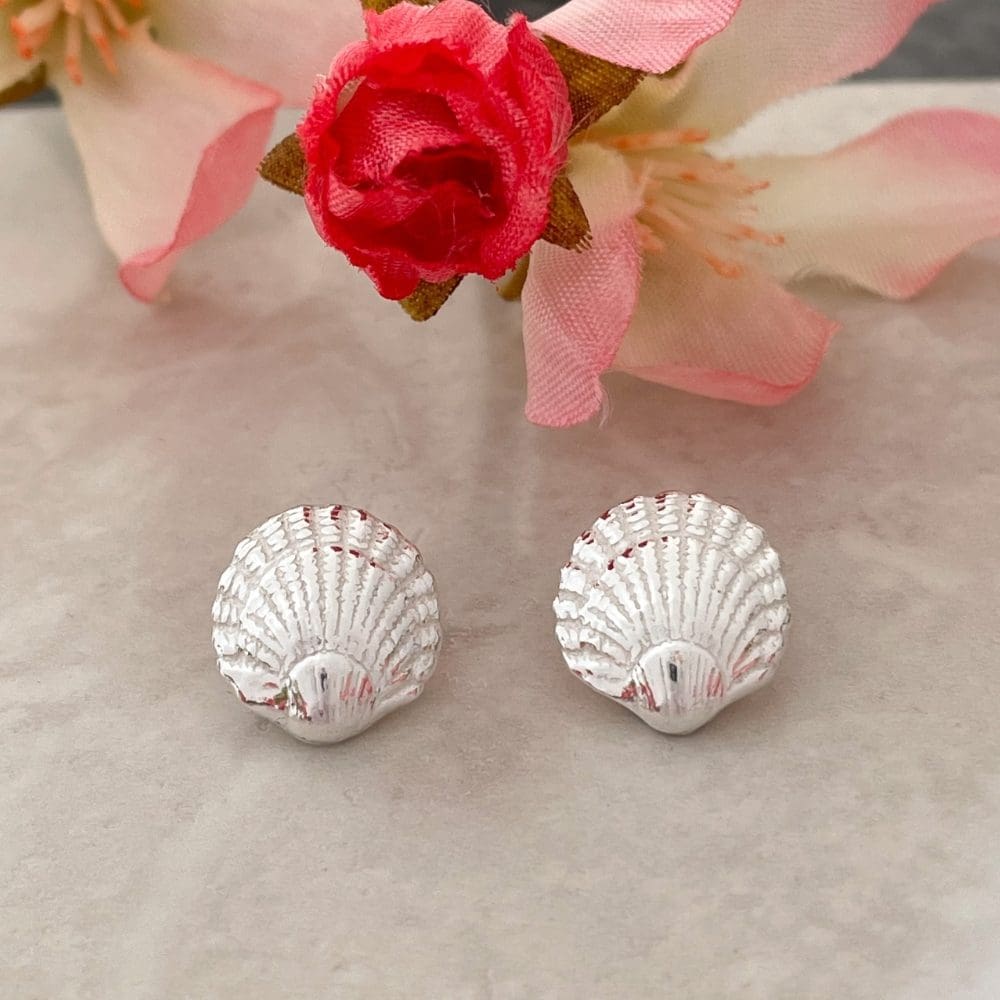
Shell earrings, silver cockle earrings

Silver Clay

Conversely silver clay has only been around since the mid 1990’s and there’s not a traditional tool in sight!  

The clay is a fantastic material for capturing details and imprinting textures into silver.  I also use the clay to individually mould elements of my designs such as my bees and roses.

The silver particles are bound together with an organic binder (the top secret ingredient!) that burns away when the clay is fired leaving silver which is 99% pure and known as fine silver.

Which do I prefer?

Whilst some jewellers stick to one way of making over another I like to use a combination of both traditional silver work and silver clay within my work and I choose my materials depending on the end result I want to achieve.

For my gemstone jewellery I handmake everything including the settings in sterling silver using traditional skills.

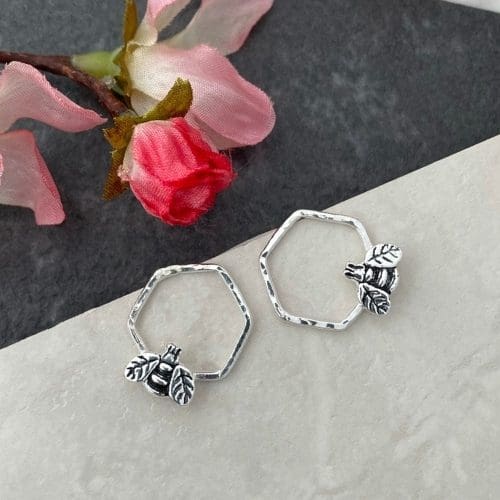
Bee Honeycomb Silver Stud Earrings

For some of my other items including my bees, shells and roses I use silver clay.  However, most of these pieces have sterling silver components soldered to them for example; stud backs or jump rings for chains to pass through on pendants.

Both types of silver can be hallmarked and you can read more about this process in my Hallmarking in the UK blog

I hope this helps to explain some of the differences in these 2 silver mediums.

Do leave a comment or feel free to ask any questions you may have

Laura

Posted on — Leave a comment

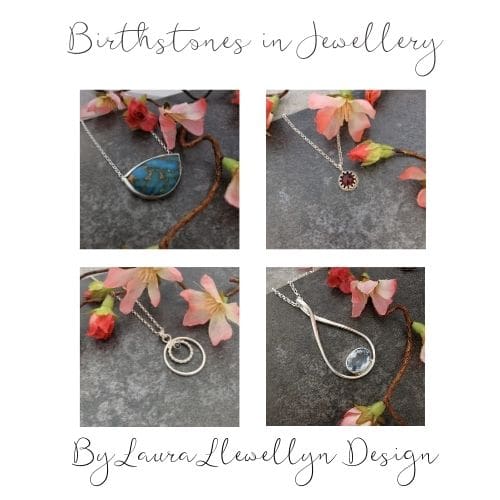
Birthstones in Jewellery

Birthstones in Jewellery

Birthstone history can be traced back through the centuries however it was in 1912 that the American National Association of Jewellers created an official list.  This list is still in use today with a few changes and additions.

Each month has one or 2 (or 3 in the case of June and December!) gemstones assigned as birthstones and these can make a great gift idea for a special birthday, to celebrate a birth or even as a multi gem piece of jewellery to symbolise your family unit.

The birthstones are

January – Garnet
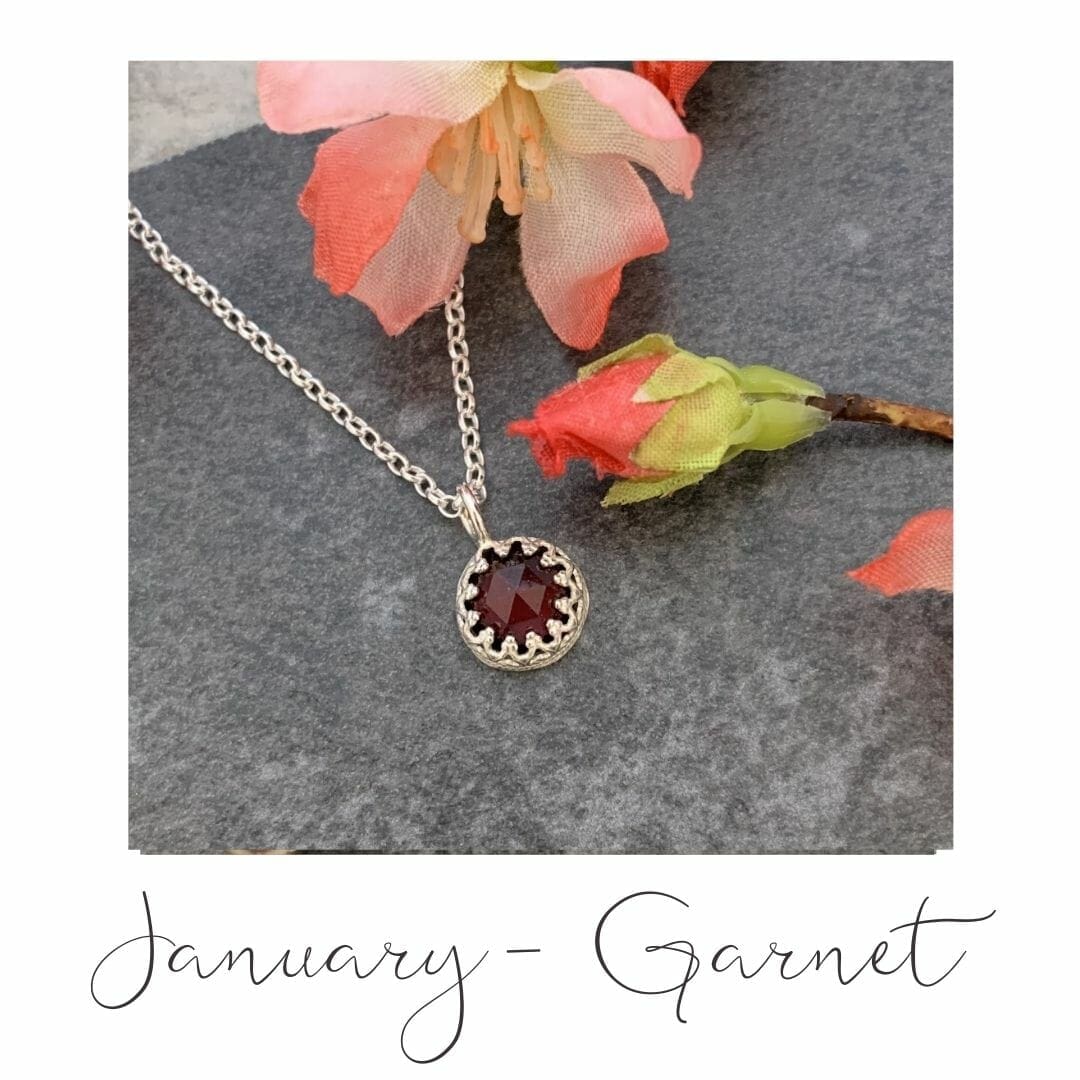
January birthstone Garnet

Garnets are most commonly known to be red but do come in an array of colours including green and purple. 


The name garnet comes from the latin word granatus which means pomegranate; which links to the classic
red colour of this beautiful gemstone.

This gemstone is thought to bring the wearer good health, wealth and happiness.

As well as being the January gemstone garnet is also the
gemstone for a second wedding anniversary.

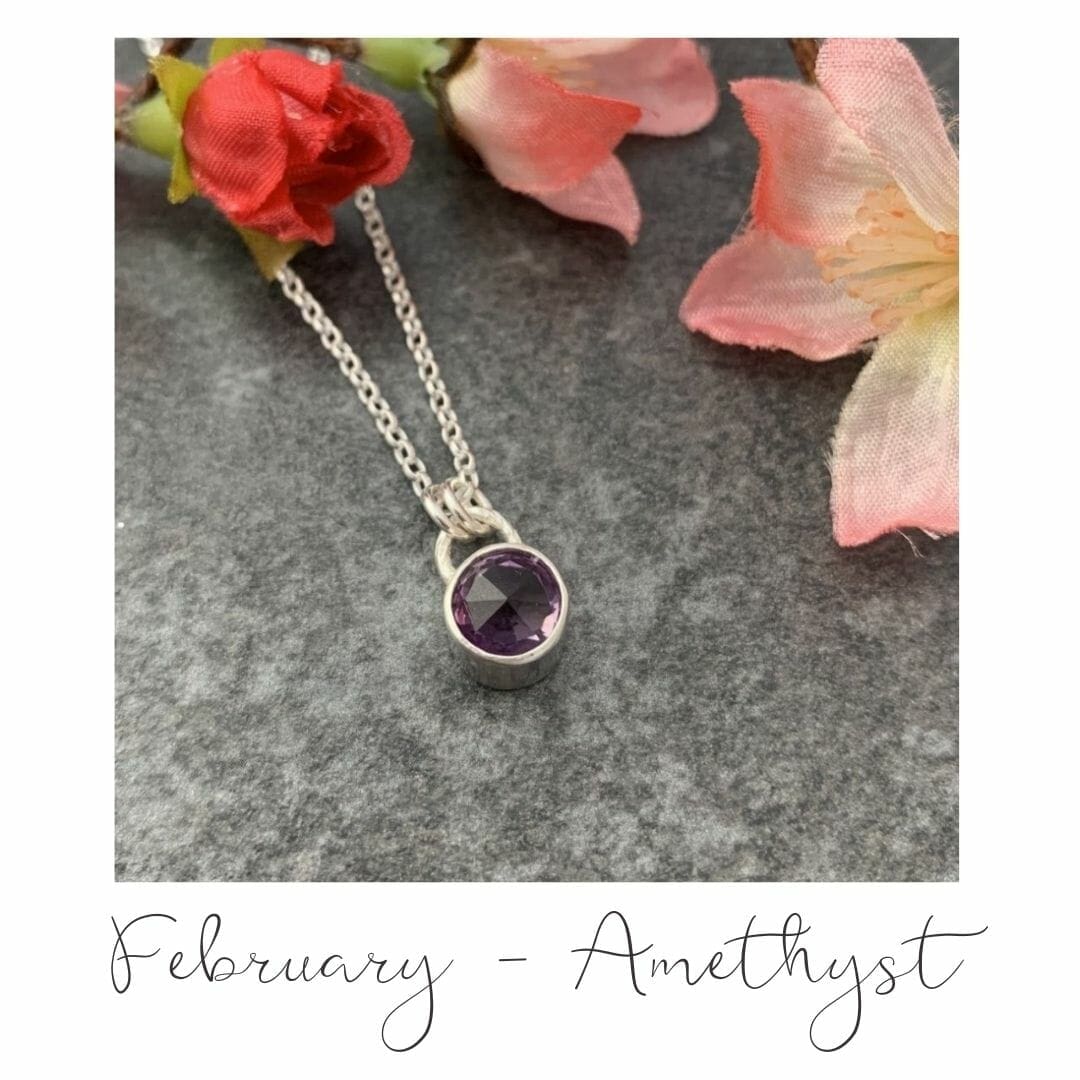
February – Amethyst

Amethyst Birthstone Blog

Amethysts come in an array of shades from lilacs through to rich dark purples and can be cut in many different ways.

The name amethyst comes from the ancient Greek word ‘amethystos’ which means ‘not drunk’. The gemstone was believed to prevent intoxication!  That is definitely my favourite gemstone fact!

As well as being the birthstone for February amethyst is also the gem for 6th and 17th wedding anniversaries.


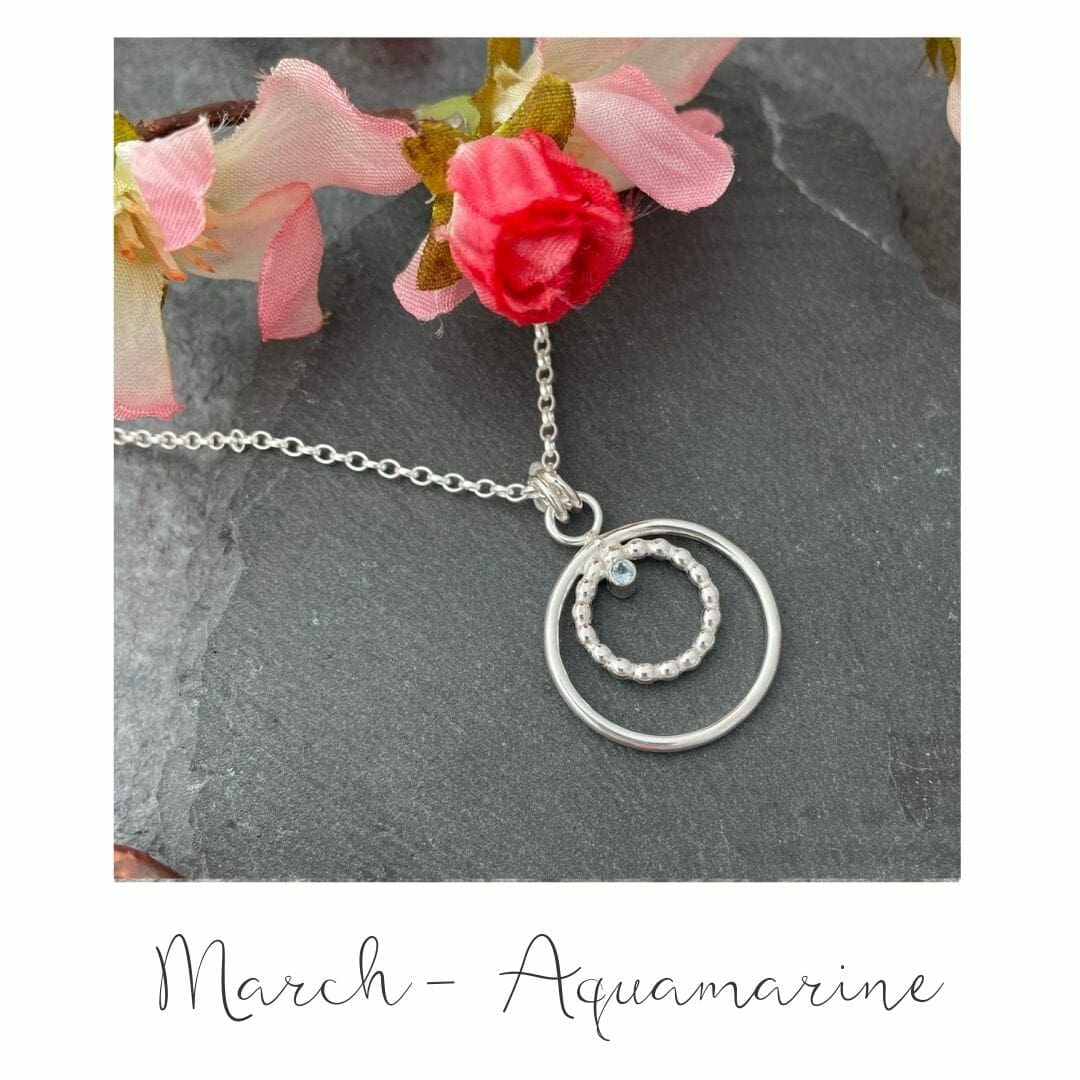
March – Aquamarine

Aquamarine March birthstone pendant

Aquamarine is typically a pretty light blue colour.  This gem is the green/blue variety of the mineral beryl; emerald is the green variety of the same material.

It gets its name from 2 latin words; aqua meaning water and marina meaning ‘of the sea’.

As well as being the March birthstone aquamarine is also the gift of a 19th wedding anniversary.


April – Diamond
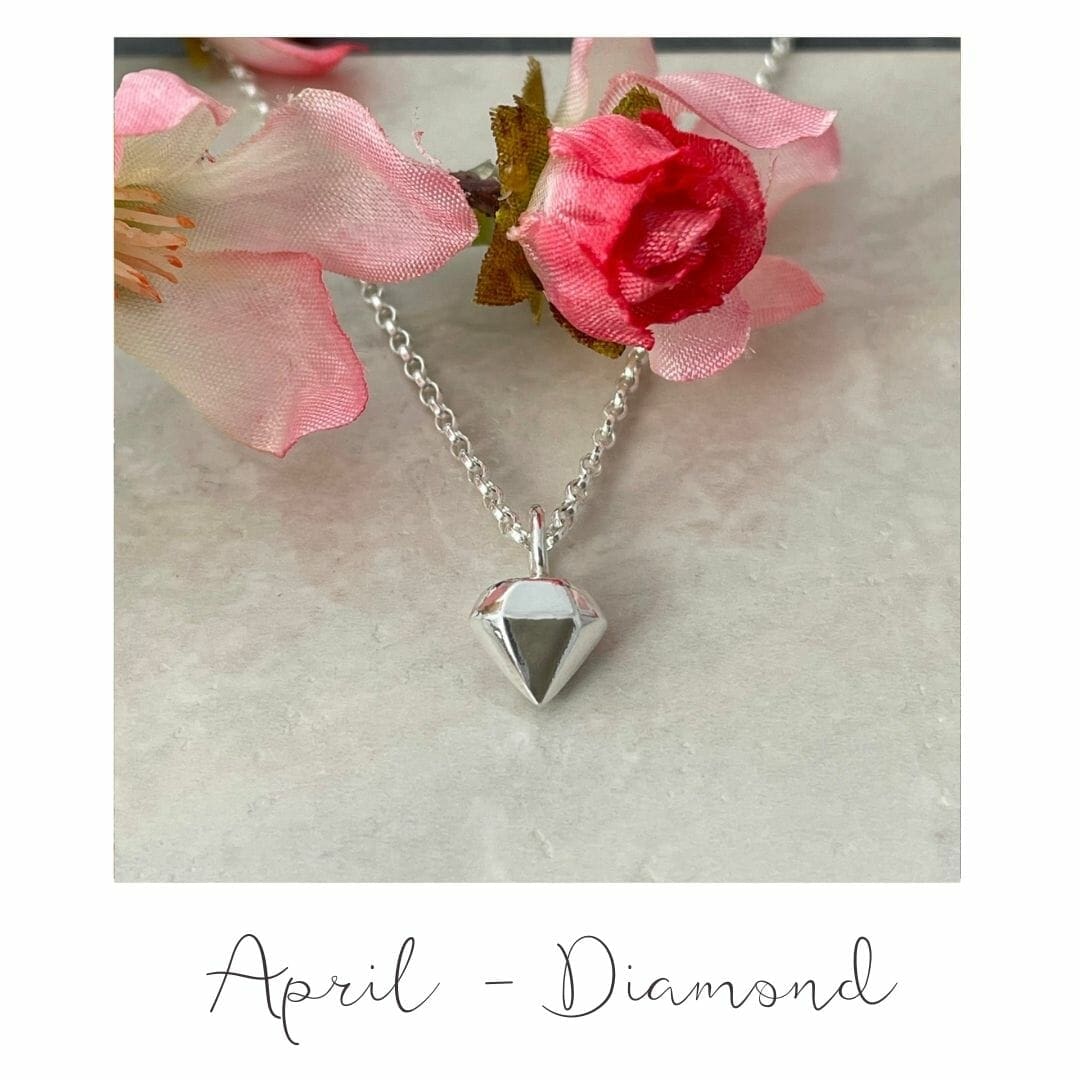
April Birthstone- Diamond

Diamonds are formed under extremely high temperatures and pressures  in conditions that exist approximately 100 miles below the surface of the earth. Diamonds are the hardest material on earth and are made from around 99.95% carbon.

Diamonds have been popular for centuries; in the 1st century AD the Roman naturalist Pliny stated “Diamond is the most valuable, not only of precious stones but of all things in this world.”

Diamonds are graded by categories known as the 4 c’s- cut, colour, clarity and carat.

As well as being the birthstone for April diamond is also the gemstone for 60th and 75th wedding anniversaries.

May- Emerald
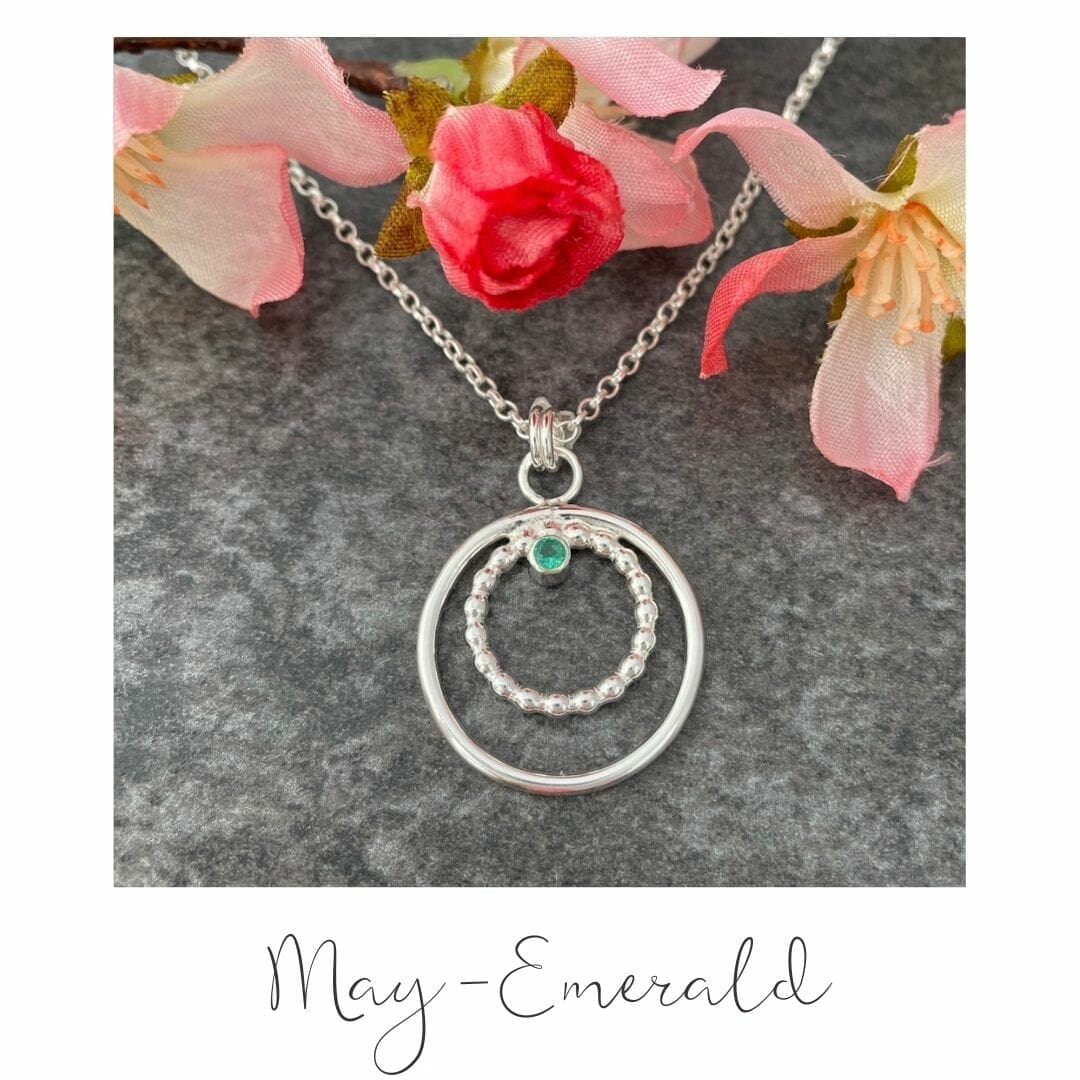
May birthstone - emerald

Emeralds are the green variety of the mineral beryl and have been used in jewellery for thousands of years.

They have been used in jewellery for thousands of years and it was first mined in Egypt in 330BC.  Cleopatra is known to have worn this beautiful gemstone in her jewellery.

The oldest emeralds found (to date) were created 2.97 billion years ago in South Africa!

As well as being Mays birthstone emeralds are also the gems associated with 2oth and 35th wedding anniversaries.


June – Pearl, moonstone and Alexandrite
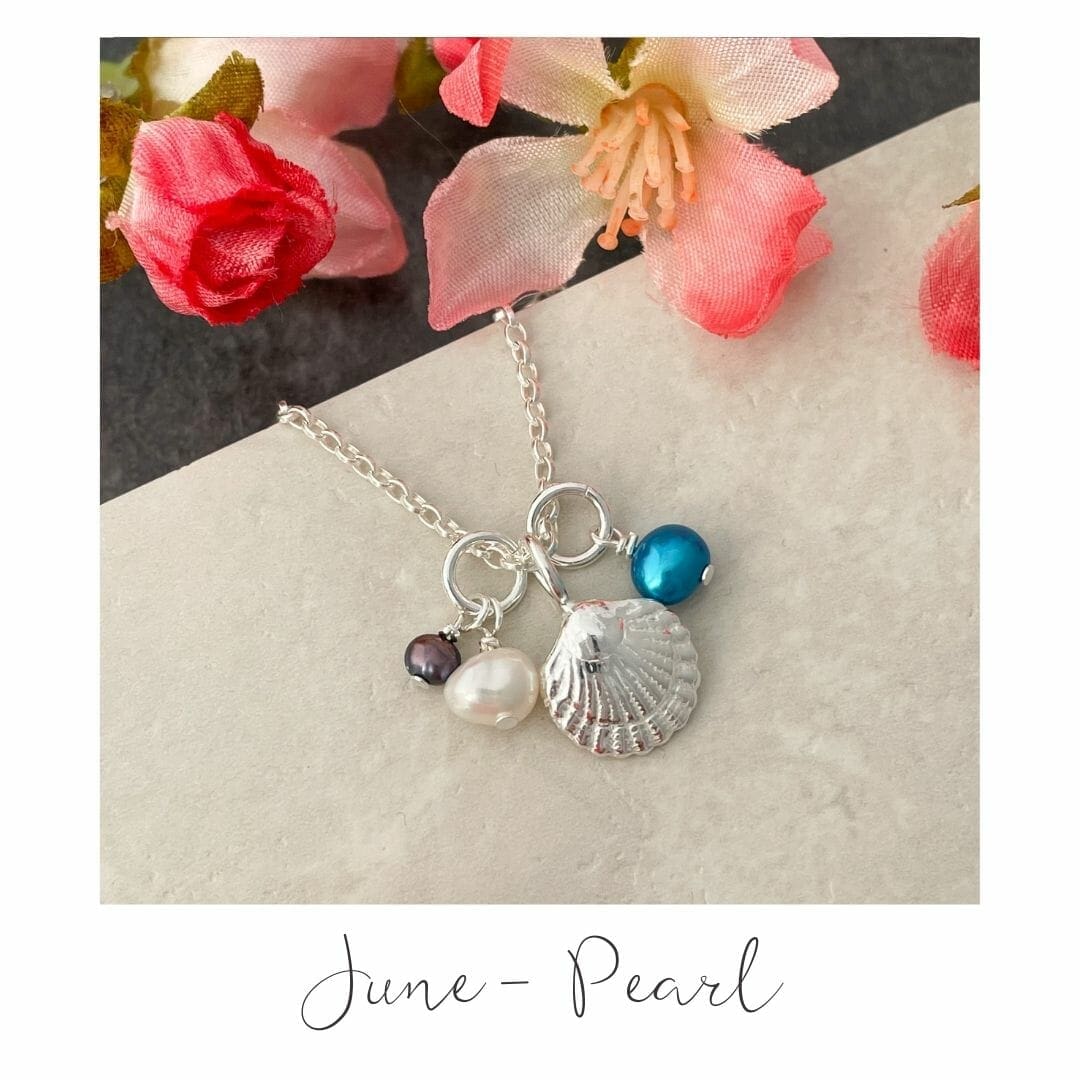
June birthstone - Pearl

The month of June has 3 birthstones associated with it; pearl, moonstone and alexandrite. For this blog I am going to focus on pearls.

Pearls have been used in jewellery for centuries and were first written about  by a Chinese historian in 2206 BC.

Pearls come in a rainbow of colours. White, soft pink, grey and peacock blues can occur naturally but brighter colours can also be created by adding dye to the shell before the pearl begins to grow.

The shine on a pearl is known as lustre and can easily be damaged. It is advised to spray products such as hairspray and perfume (and allow them to dry) before putting on pearl jewellery.  To keep their sheen gently wipe them with a damp cloth after wearing.

Did you know that real pearls feel warm to the touch and have a gritty texture if you lightly rub them on your teeth? You can spot a fake if it feels cold to hold and/or feels smooth on your teeth!

As well as being the birthstone of June pearls are also the gift of a thirtieth wedding anniversary.

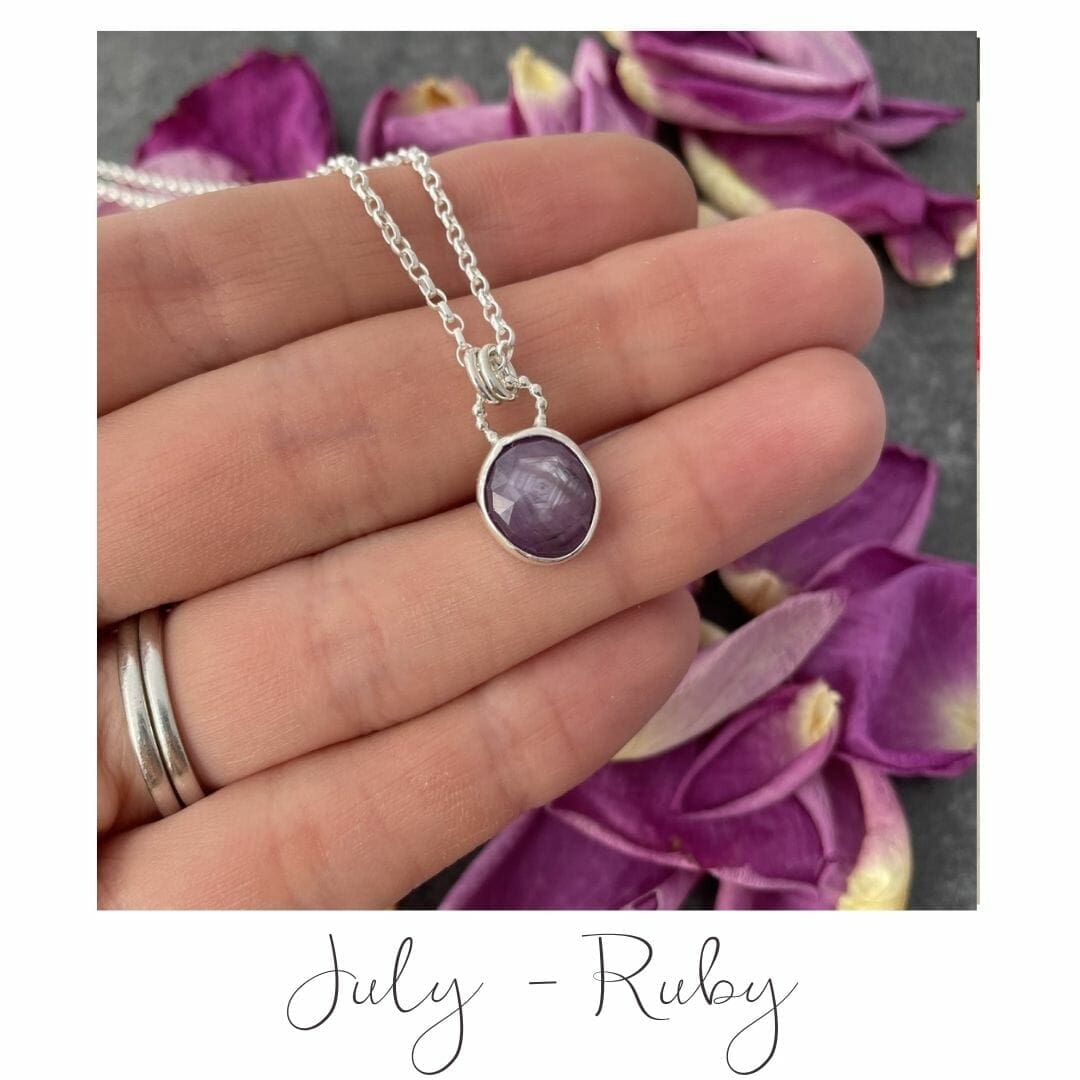
July- Ruby

July birthstone ruby

Rubies are in the family of minerals called corundum which also includes sapphire.  In its purest form corundum is colourless; the variations in colour come from the trace elements in the gems.  Chromium is the element which gives ruby its colour.

Rubies have been treasured for years and early civilisation believed the gems held the power to life.  The gem remained popular throughout the middle ages and was sought after by Royalty.

The word ruby comes from the Latin word ‘ruber’ which means red.

As well as being the birthstone for July Rubies are also the gem for a 40th wedding anniversary.

August – Peridot
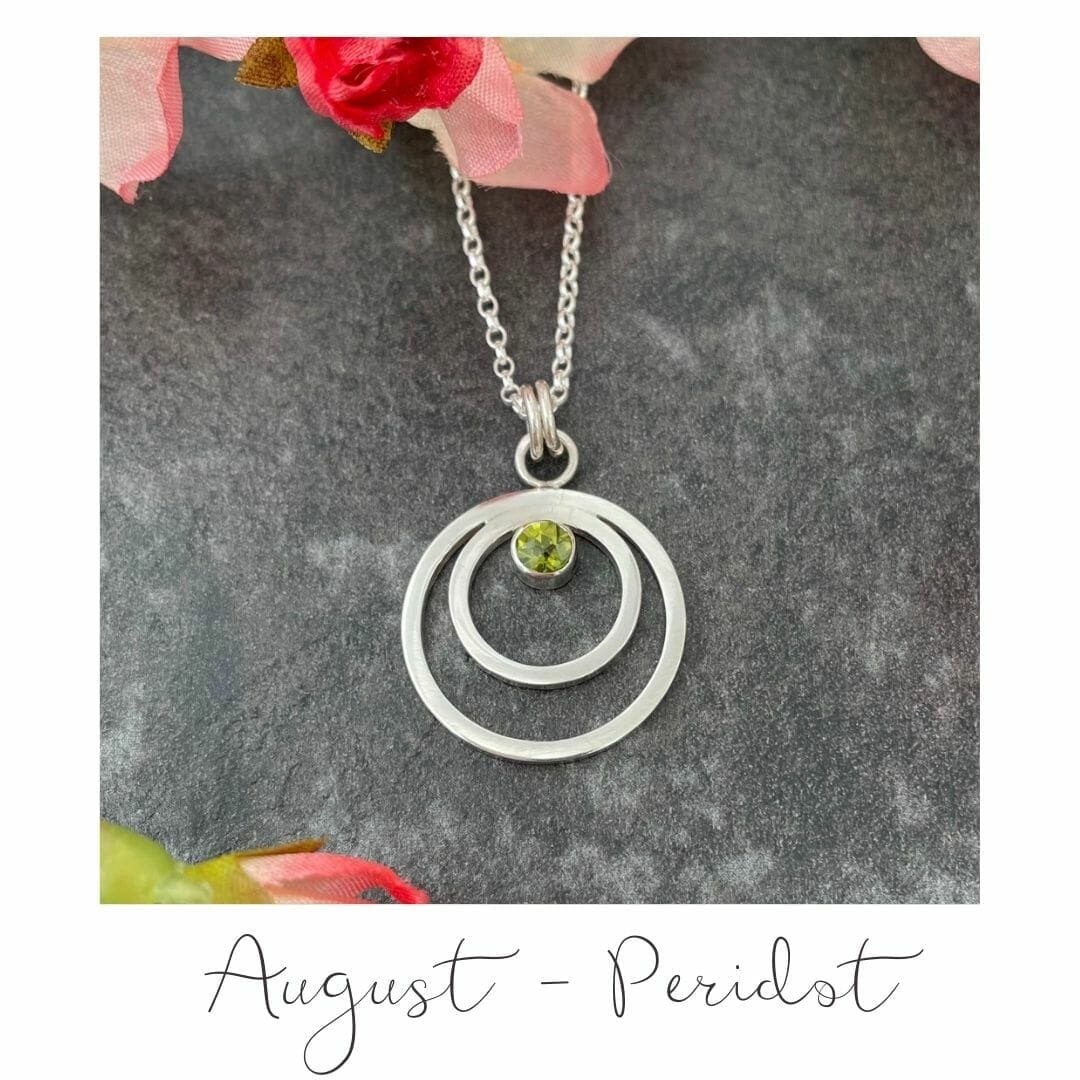
Peridot is the name given to gemstone quality pieces of the mineral olivine.  It gets the vibrant yellow-green colour from the presence of iron within its composition.

Peridot gems are found in solidified lava and some has even been found in meteorites that have fallen to earth.

The Egyptians believed that peridot is the gemstone of the sun.

As well as being the birthstone for August peridot is also the gemstone for a 15th wedding anniversary.


September – Sapphire
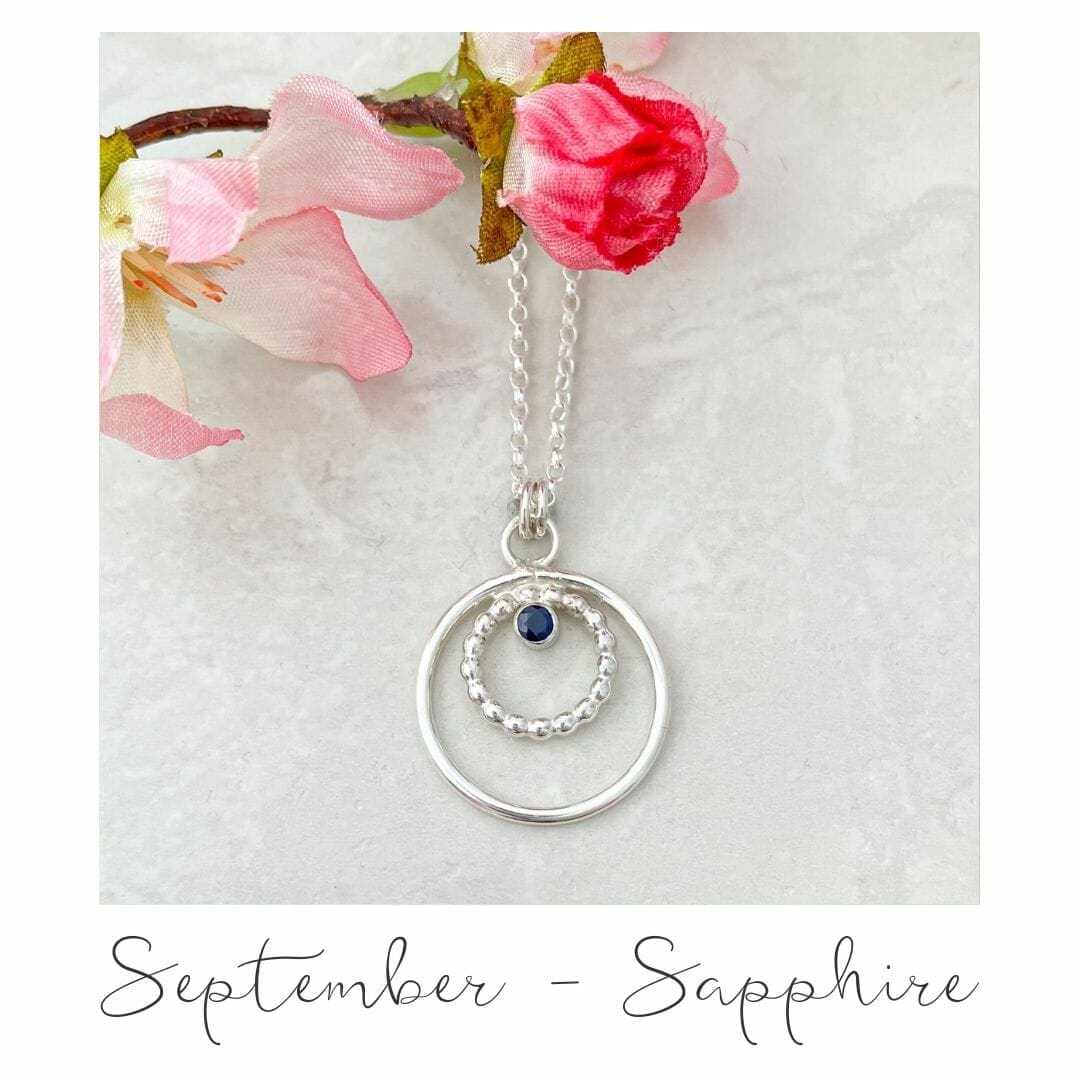
Sapphires are in the same family of gemstones as rubies, known as corundum.  Sapphires get their colour from the trace elements that make up the gem; in the case of blue sapphires this is iron and titanium.

While sapphires tend to be thought of as blue they can be any colour except red including pink, green, purple, yellow or even colourless.  A red corundum would class as a ruby.

Sapphires have been used in adornments for centuries and were worn by kings and queens in ancient Greece and Rome as they were believed to protect their owners from harm and envy.

As well as being the birthstone of September sapphires are also the gemstone for 45th and 65th wedding anniversaries.

October – Tourmaline and Opal
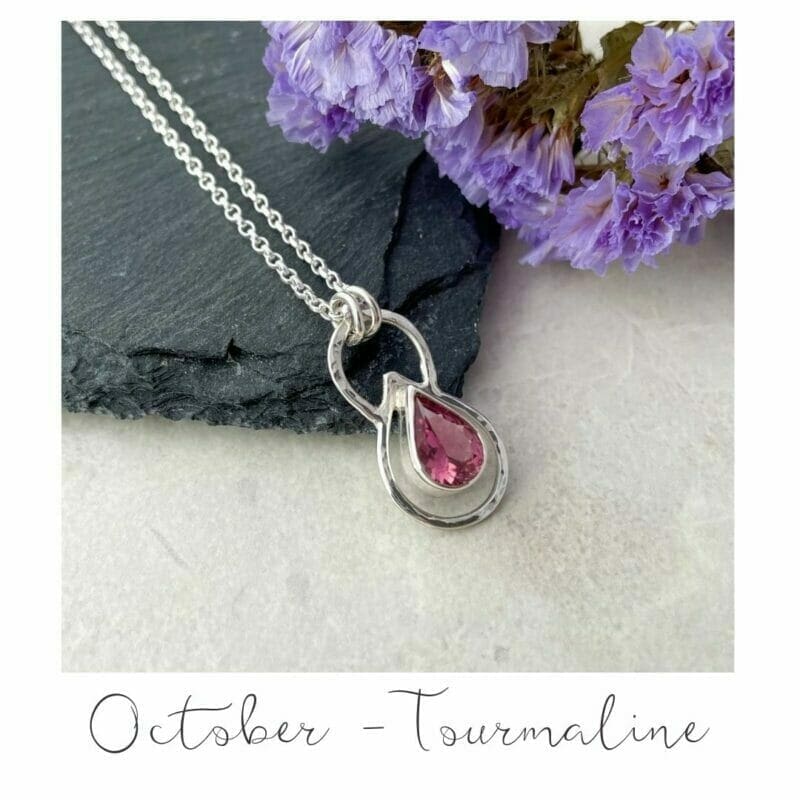
October is another lucky month with 2 birthstones; both tourmaline and opal are associated with this month.  I am going to focus on the beautiful gem tourmaline.

This gemstone can be found in many different colours as wide ranging as pink and green and you can even get a range of colours in one piece! 

Tourmaline has been found in many places around the world including Brazil, America and China.  The different colours of the gem are produced with different elements within the stones. For example copper is found in vivid blues and greens discovered in Brazil and this colour is called paraiba.

Tourmaline is also the gemstone for an 8th wedding anniversary.

November – Topaz and citrine
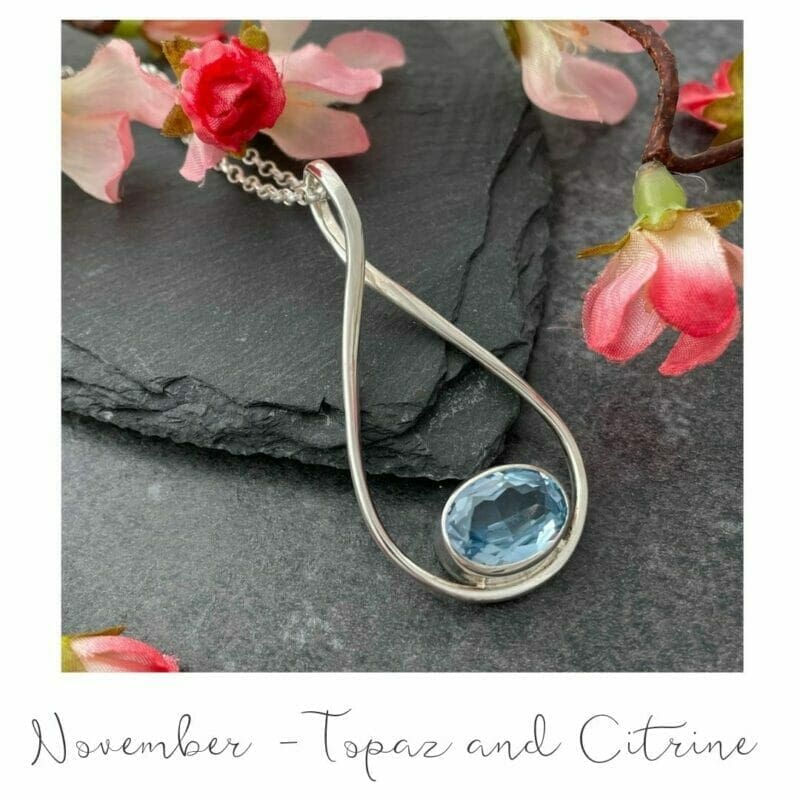
November babies have the choice of 2 gemstones; topaz or citrine.

Topaz gemstones come in  a wide range of colours the most common is brown but it is also found in shades of pink and purple through to blue and green.  Topaz is a pleochroic gemstone which means it can show different colours through the crystal structure as its moved. 

Citrine is a rarer gemstone and in the past it was confused with topaz as it is found in similar brown- yellow shades.  Citrine is often used in fancy gemstone cuts and carvings.  This gemstone is also the gemstone for a thirteenth anniversary.


December – Tanzanite, turquoise and zircon
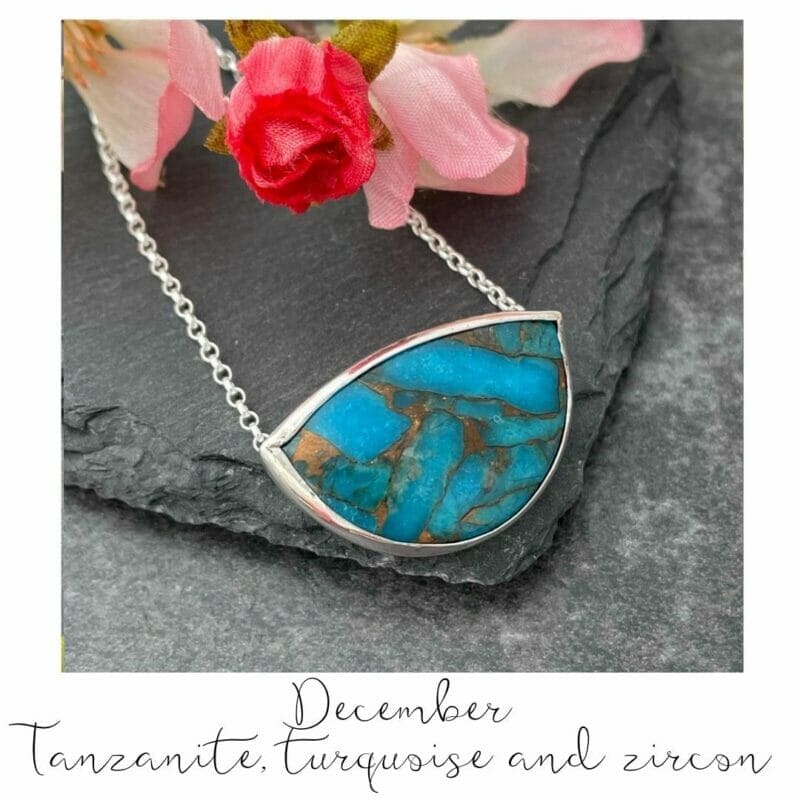
December birthdays have three options for their birthstone and you are spoilt for choice with tanzanite, turquoise and zircon!

Tanzanite is a relatively new gemstone having been found in Tanzania in the late 1960’s. At first the locals believed they had discovered sapphires as the blue- purple colour can be very similar. 

By contrast turquoise has been found and used in jewellery for thousands of years!  It is thought to provide good health, fortune and protect the wearer from evil and was used by the ancient Eypytians.

Zircon comes in a range of colours and is a natural gemstone unlike cubic zirconia which it is often confused with.  Zircon is the oldest mineral on earth; there are deposits in Australis which are over 4 billion years old.  This gem is known for its ‘fire’ as it has beautiful sparkle and flashes of multicolour light.

Birthstone Summary

Having said this I don’t think people should feel tied to a gemstone if they are not keen on theirs’; I have had people message me saying they like a particular gemstone but its not their birthstone so they are not sure they should wear it.  In my opinion you should wear a gemstone if you love it no matter if it is your birthstone or not

Head over to my shop to see my range of gemstone jewellery and do get in touch if you are looking for anything in particular whether it’s a birthstone piece or just something with your favourite gemstone in.

Do you have any jewellery with your birthstone in; do you prefer another gemstone?! I’d love to know.

Laura xx
Posted on — Leave a comment

A Jeweller’s tale – Commission to Finished Product

Commissions come in many different forms, it could be something relatively simple such as taking one of my stock designs and making it in a specific size. Sometimes however, I may
be given an image of a piece of jewellery, perhaps with instructions to change some elements of the piece. Occasionally a client may have a piece of costume jewellery that they have become attached to but feel it is time to invest in a similar design in silver and real gems.  The most challenging commissions are often those where the client has a clear picture in their minds of what they want but no picture or product for me to work from. 

In my previous career I was a scientist working in Research and Development and so I like to approach problems in a logical way, to gather as much background information from the client as possible to help me understand the motivation behind the commission and so create the client’s dream.

When you understand why they aren’t simply going to the high street to buy a piece of jewellery, and what elements of the design are important to them you can begin to develop
ideas that may come close to that elusive design they have in their mind. Sometimes it is to replace a loved piece that has been lost or damaged beyond repair – here there may be photos that can help tremendously. Often they may simply want a unique item that no one else will have, or would like to incorporate a particular shape or gem that is special to them.

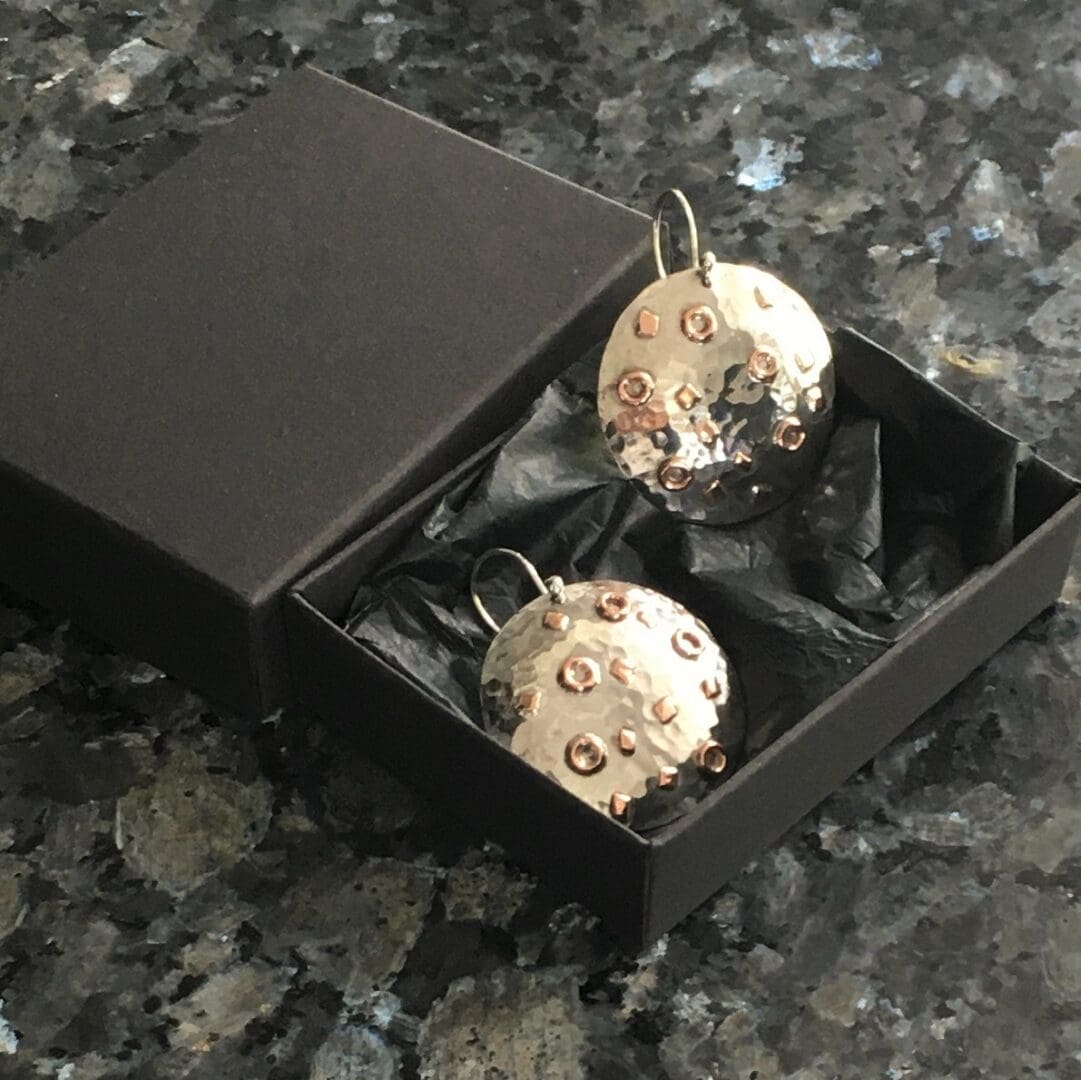
In the case of the commission for these earrings the lady wanted them to be big and bold to reflect her personality and she wanted them to be unique. By showing her some of my range of earrings I could determine her preferences. I could tell she was drawn to the circular items and liked the 3D aspect of many. She told me she loved shiny bright silver, didn’t like oxidised
or matt finishes but did like textured and planished effects. She also liked the contrast of mixed metals. I was beginning to build a picture of what was needed. Her final request was that due to arthritis in her fingers she needed easy to manipulate ear fittings but also secure so that she would not lose them. We discussed budget and we agreed based on this the metals would be
silver and copper and not the gold she had initially requested. 

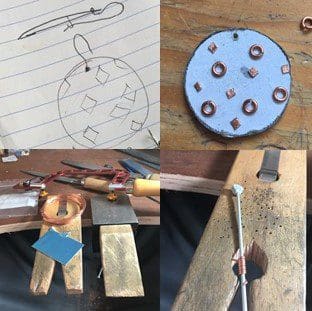
I have not been blessed with drawing skills but I do sit most evenings sketching and always have a book and pen nearby. My sketches are not accurate representations of finished pieces but they do remind me of my thoughts and ideas and help me focus my ideas. My next step is to mock up designs cutting out paper and shapes to see how they look.

After sharing 3 pictures of ideas I had created using paper shapes with copper elements placed on them my client chose the one she liked the best and I was ready to order materials and get cracking.

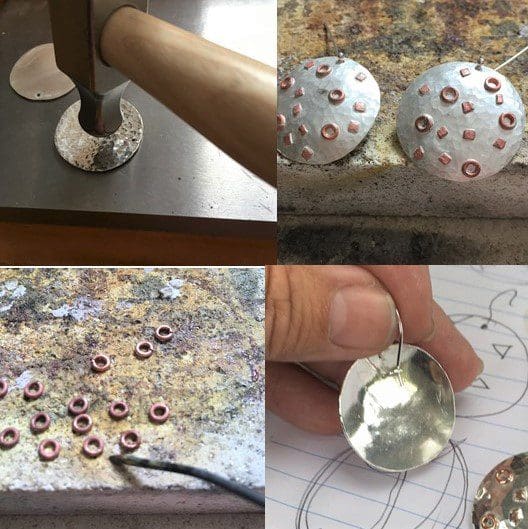
It was then down to working with the silver and copper to cut, pattern, shape and form it into the components and then assemble the earrings. I ensured that the ear wires were easy to insert into the ear but included a hook on the back of the earrings to give extra security.

It’s a very satisfying feeling as you complete the polishing process and reveal the full beauty of the silver.  

Waiting for the customer’s response to their finished piece of jewellery is the hardest part of the whole process. Despite the early work you still ask yourself whether you understood their needs and have delivered against their expectations.

In the case of these earrings the first response was unrepeatable as it contained a little bad language.
“They are *******” she exclaimed, and clarified with “they are beautiful and just what I wanted”. Phew!! I can breathe again and get ready for my next challenge. 

Posted on — Leave a comment

This here is a Daffodil….

Inspired by my Welsh heritage and the national flower emblem I have
wanted to create a daffodil in metal for a while, but never found the
time. Taking advantage of the lockdown and a few days off from my busy
day job in the NHS I found myself drawn to creating a daffodil so I
rolled up my sleeves, put on my apron, got my sharpie, some metal and tools out and got to
work.

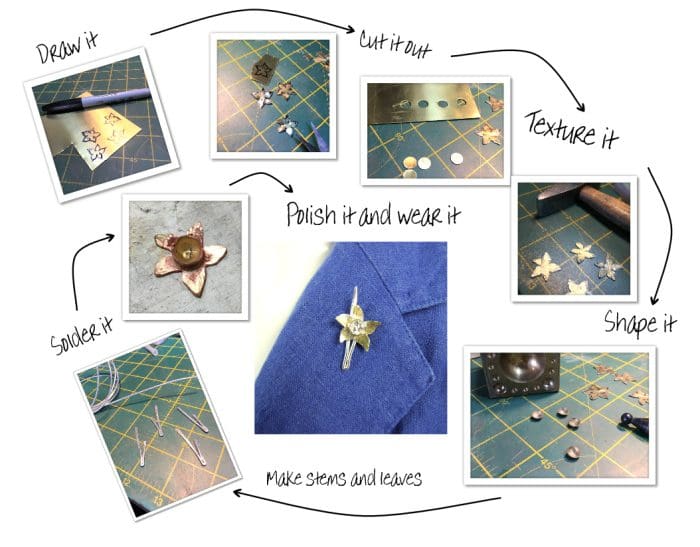
When I started out on this project I had a picture in my head of what I wanted my daffodil to look like, this included working out how to turn a flat piece of metal into a 3D flower.  I began with some 0.5mm brass sheet and drew the outline of the flower using a felt pen, (well I drew several actually just in case I melted the first one or three!).

I cut these shapes out and gave them some texture with a hammer and then shaped the petals.  For the flower trumpet I cut simple circles from the brass sheet then used my doming block and tools to shape the disc into a small cup and then ruffled the edges.  The flower centre was created from tiny sterling silver balls formed from molten silver (this is my favorite pass time when I’m not making, melting tiny bits of silver into balls, it’s very therapeutic!), which I soldered in place to create the stamen.  The final piece for the flower was the stem and a leaf.  I formed these by hand from sterling silver, hammering, filing and shaping, then soldered all of the brass and silver pieces together, adding a silver pin to the back.

The last bit is the most time consuming of all, requiring a lot of elbow grease and polish to make the brass and silver gleam.

I loved making this and have plans now to make more flowers, I definitely want to make a bluebell and a freesia my favourite flowers of all time, then maybe a snowdrop, a crocus oh and a pansy, I could go on and on as there are so many beautiful flowers lol! I hope you enjoyed my little blog about making a daffodil and I would love to hear what your favourite flower is.

Best wishes and thanks for stopping by to read

Max

ps you can find the daffodil pin in my shop, link is below.