What Is Silver?
(Exploring sterling, fine, and Argentium silver — and why I choose recycled materials for my handcrafted jewellery.)
Introduction
Silver has always held a special place in jewellery making — timeless, radiant, and full of character. But not all silver is the same. From traditional sterling to the purity of fine silver and the innovation of Argentium, each has its own story and strengths.
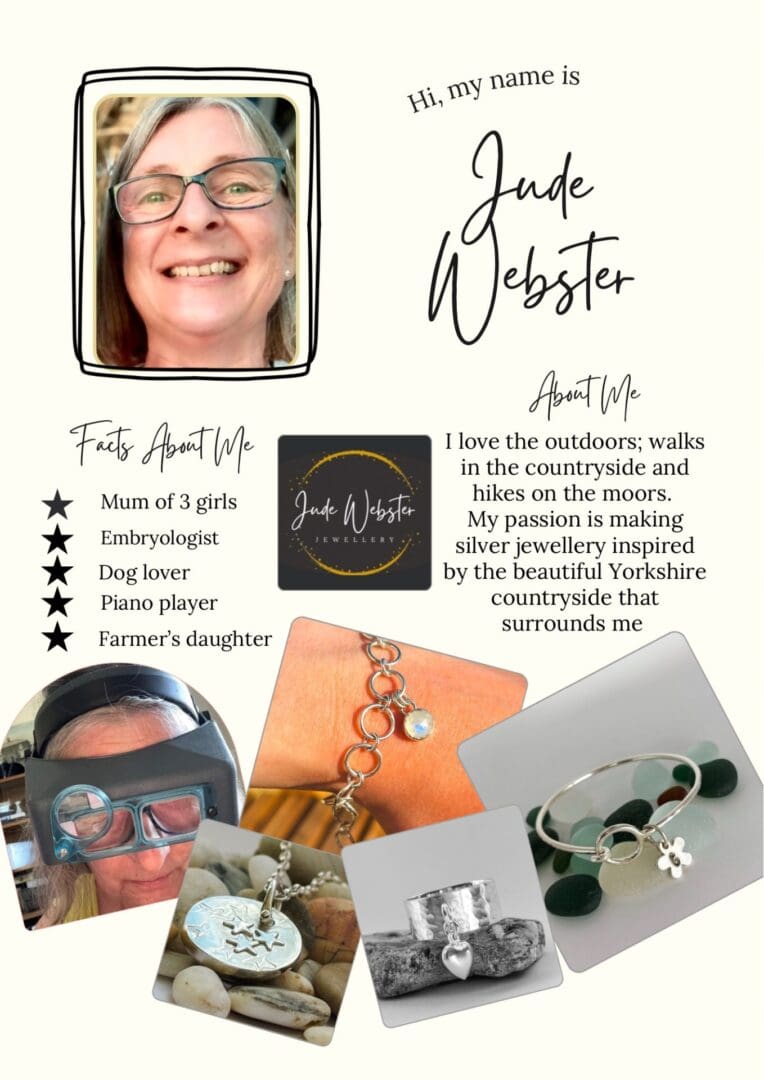
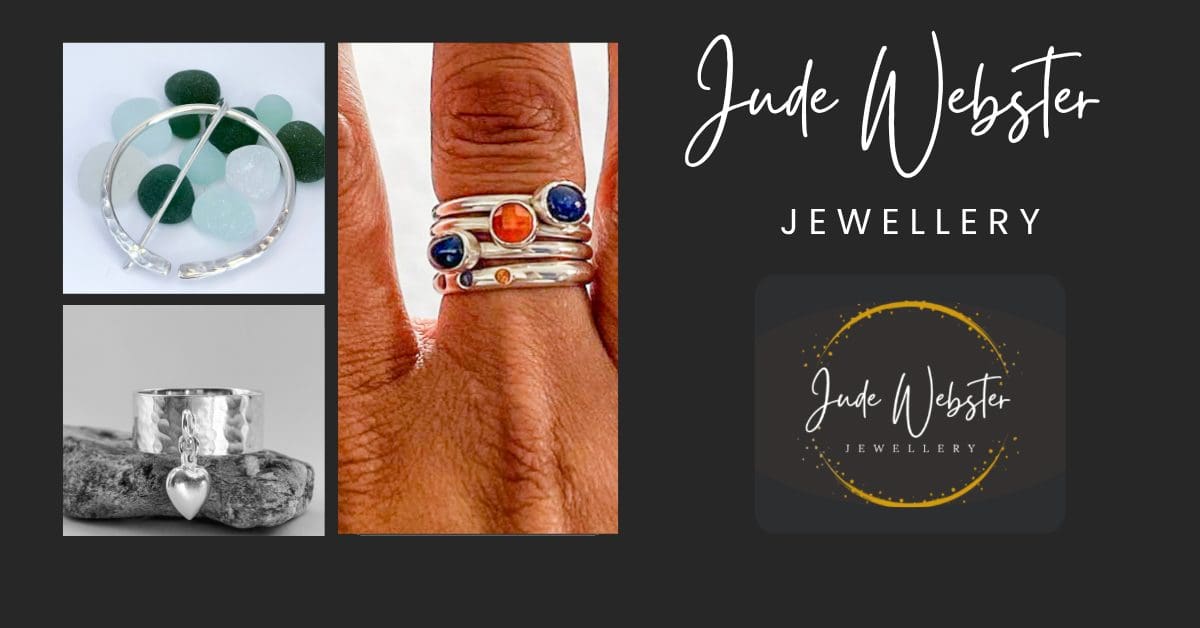
At Jude Webster Jewellery, based in North Yorkshire, I create one-of-a-kind pieces using recycled sterling silver, fine silver, and occasionally Argentium silver — all crafted with care, respect, and a deep appreciation for the materials and their origins.
Sterling Silver — The Classic Choice
Sterling silver is perhaps the best-known form of silver used in jewellery. It’s made up of 92.5% pure silver, with the remaining 7.5% usually copper. That small addition gives it strength and durability — essential for pieces that are worn every day.
Pros:
• Strong and durable for everyday wear
• Beautiful, bright shine
• Perfect for rings, bangles, and other regular-use pieces
Cons:
• Can tarnish over time (though it’s easy to clean)
• Slightly less “white” in colour than fine or Argentium silver
I love working with sterling silver because it holds up beautifully in daily wear yet still carries that unmistakable warmth and lustre of silver.
Fine Silver — Pure and Gentle
Fine silver is the purest form used in jewellery, made up of 99.9% silver. It has a wonderfully soft, buttery surface and a gentle, almost glowing sheen.
Pros:
• Hypoallergenic and naturally resistant to tarnish
• Soft, luminous finish and colour
• Ideal for delicate or detailed pieces
Cons:
• Softer and more prone to scratching or bending
• Less suited for heavy-duty wear (like rings or bangles)
I sometimes use fine silver for small, detailed work such as a bezel setting or where I want a slightly softer aesthetic, such as in hand-formed pendants.
Fine Silver Clay — Modern Alchemy
One of my favourite materials to work with is fine silver clay., It starts as a soft, malleable clay made from recycled fine silver particles mixed with a natural binder and water. This allows it to be shaped, carved, and textured by hand — perfect for creating organic, one-of-a-kind designs.
Once the piece is dry and refined, it’s fired in a kiln or with a torch. During firing, the binder burns away, and the silver particles fuse together to form solid 99.9% pure fine silver. The result is real, precious metal — just like any other fine silver, but formed through an incredibly tactile, creative process.
Pros:
• Made from recycled silver, making it an eco-conscious choice
• Ideal for detailed textures, imprints, and organic shapes
• Fires into pure fine silver (99.9%)
Cons:
• Slightly softer than sterling, so best for pendants, earrings, and keepsake pieces
• Requires careful drying and firing to achieve the best finish
Silver clay allows me to work more intuitively — shaping and forming by hand, rather than sawing and soldering. It’s a wonderful blend of traditional silversmithing and modern innovation, and it means no two pieces will ever be the same.
Argentium Silver — The Modern Innovator
Argentium silver is a more modern form of silver that takes the traditional sterling alloy and improves upon it. It’s available in two grades — Argentium 935 and Argentium 960 — both of which have a higher silver content than standard 925 sterling silver. Instead of being alloyed purely with copper, Argentium includes a small amount of germanium, which gives it some remarkable properties.
Pros:
• Highly tarnish-resistant, staying brighter for longer
• Whiter and more reflective than traditional sterling
• Easier to care for — a light polish restores its shine beautifully
• More environmentally friendly to produce, often made using recycled silver
Cons:
• Slightly more expensive and not as widely available as sterling
• Behaves a little differently under heat, so it requires careful handling when soldering
Argentium is a wonderful example of how traditional materials can evolve. It combines the beauty and versatility of sterling silver with the low-maintenance qualities we all appreciate — making it an excellent choice for modern, responsibly made jewellery.
Where Silver Comes From
Silver is mined all over the world — often as a by-product of copper, lead, or gold mining. Unfortunately, traditional mining can have a heavy environmental impact, disturbing landscapes and ecosystems. That’s one of the reasons I choose to use recycled silver wherever possible.
My recycled sterling comes from trusted UK suppliers who refine and reclaim silver from scrap jewellery, electronics, and other silver-bearing materials. The reclaimed silver is purified to the same standard as newly mined metal — meaning there’s no difference in quality, only in conscience.
Why Recycled Matters
Working with recycled silver allows me to create pieces that not already tell a story but continue, giving new life to materials that already exist. It aligns with my belief that beauty should never come at the cost of the planet. Every piece I make carries that quiet intention — care, respect, and a deep appreciation for the world that inspires it.
In conclusion:
Silver isn’t just silver. It’s history, craftsmanship, and responsibility — all bound together in metal that has captured human imagination for millennia. Whether it’s sterling, fine, Argentium, or fine silver clay, it’s a joy to work with — especially when it’s reborn from recycled roots.