Posted on — Leave a comment

Reworking Old Silver Jewellery: How to Transform Heirloom Pieces into Something New

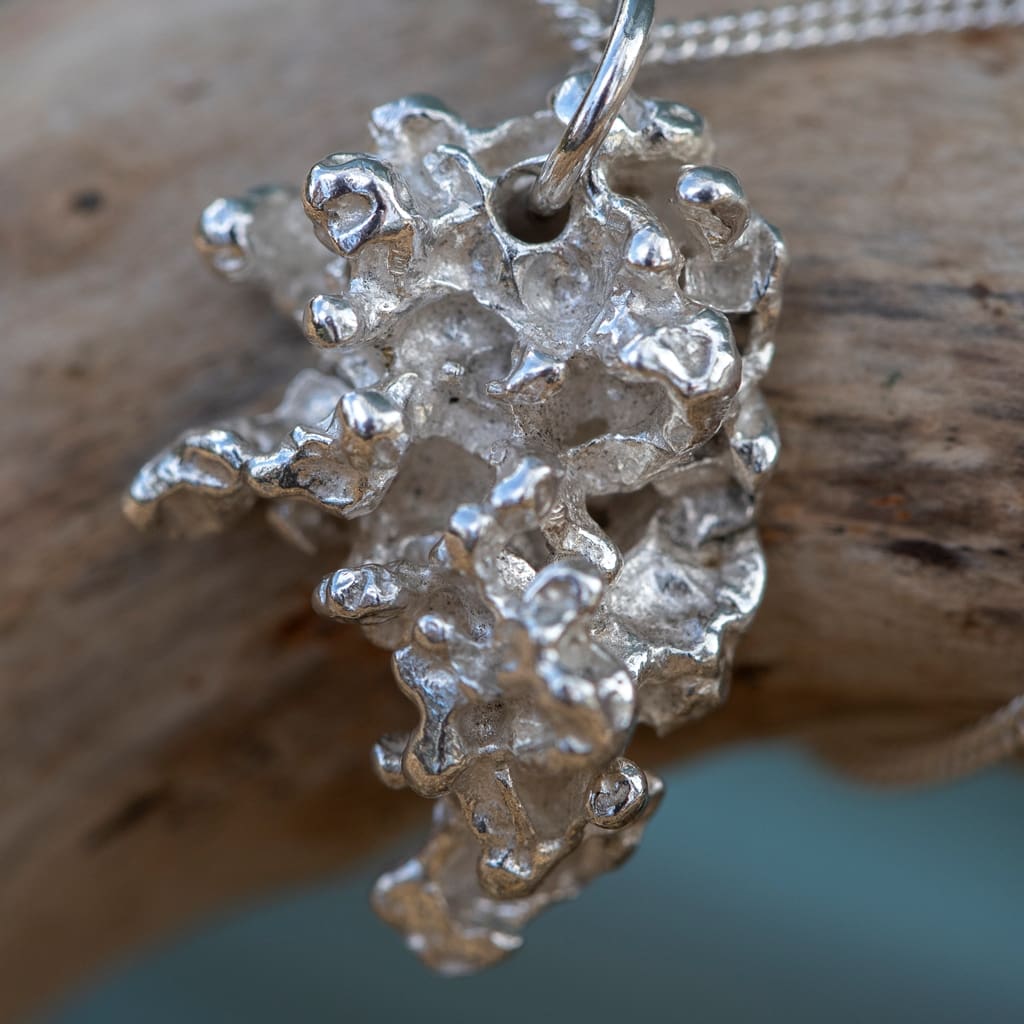
Reworked silver jewellery snowflake pendant necklace made in Cornwall

There’s something quietly powerful about old silver jewellery.

It might be broken. It might no longer suit you. It may even be sitting unworn in a drawer — but it still holds weight, memory and value.

At Arvor and Mor, I work primarily with recycled silver because I believe precious metals should be used thoughtfully. Silver is a finite resource. Whether newly mined or refined for reuse, it carries environmental impact and real cost. That makes it worth honouring — not discarding.

Reworking old silver jewellery is a way of doing exactly that.

Instead of leaving unworn pieces hidden away, you can transform your own solid silver into a new design from a carefully considered collection. The silver used is yours — melted, reshaped and given a new chapter. And if you’d like to witness that transformation, I can even film the casting process so you can see your silver change form in real time.

There are many reasons people choose to remake old silver jewellery.

Sometimes it’s practical or environmental. Recycling silver jewellery you no longer wear keeps precious metal in circulation and reduces the need for further extraction.

Often, though, it’s about something deeper.

A piece may have belonged to someone no longer with us. It may have been passed down through family, carrying stories and connection. You might never wear the original design, but letting it go doesn’t feel right either.

Remodelling heirloom jewellery allows you to keep the material — and the meaning — while creating something you truly want to wear. The story continues, just in a different form.

There is also the simple reality that silver has risen significantly in price in recent months. While none of us can predict where markets will go next, it serves as a reminder that the silver sitting in your drawer is valuable — both financially and emotionally.

If you’re wondering how the process works, it’s straightforward.

First, weigh your silver. This gives you an idea of what designs are possible.

Next, browse the reworking collection here. Each design clearly states how much silver is required.

Once you’ve chosen your piece, place your order and I’ll be in touch with full instructions for sending your silver safely. From there, the transformation begins.

It’s important to note that I can use solid silver jewellery only — not plated pieces — and items must be free from stones, enamel or attachments.

Every piece created through this process is part of Arvor and Mor’s wider commitment to positive impact. I donate 2% of all sales to The Wave Project (with a few exclusions), a charity founded in Cornwall that supports children and young people through surf therapy across the UK. Reworking your silver not only gives your jewellery new life, it also contributes to theirs.

Looking ahead, I’m developing ways to offer even more creative freedom.

Using wax carving and traditional casting techniques, I’m working towards a more bespoke remodelling service — allowing you to shape and influence the design itself. The aim is to transform your old silver into something truly one of a kind. An heirloom piece ready to be passed forward again.

If that sounds like something you’d love to explore, keep an eye on this space — or follow along on socials @arvorandmor and sign up here for coastal stories and Arvor and Mor updates.
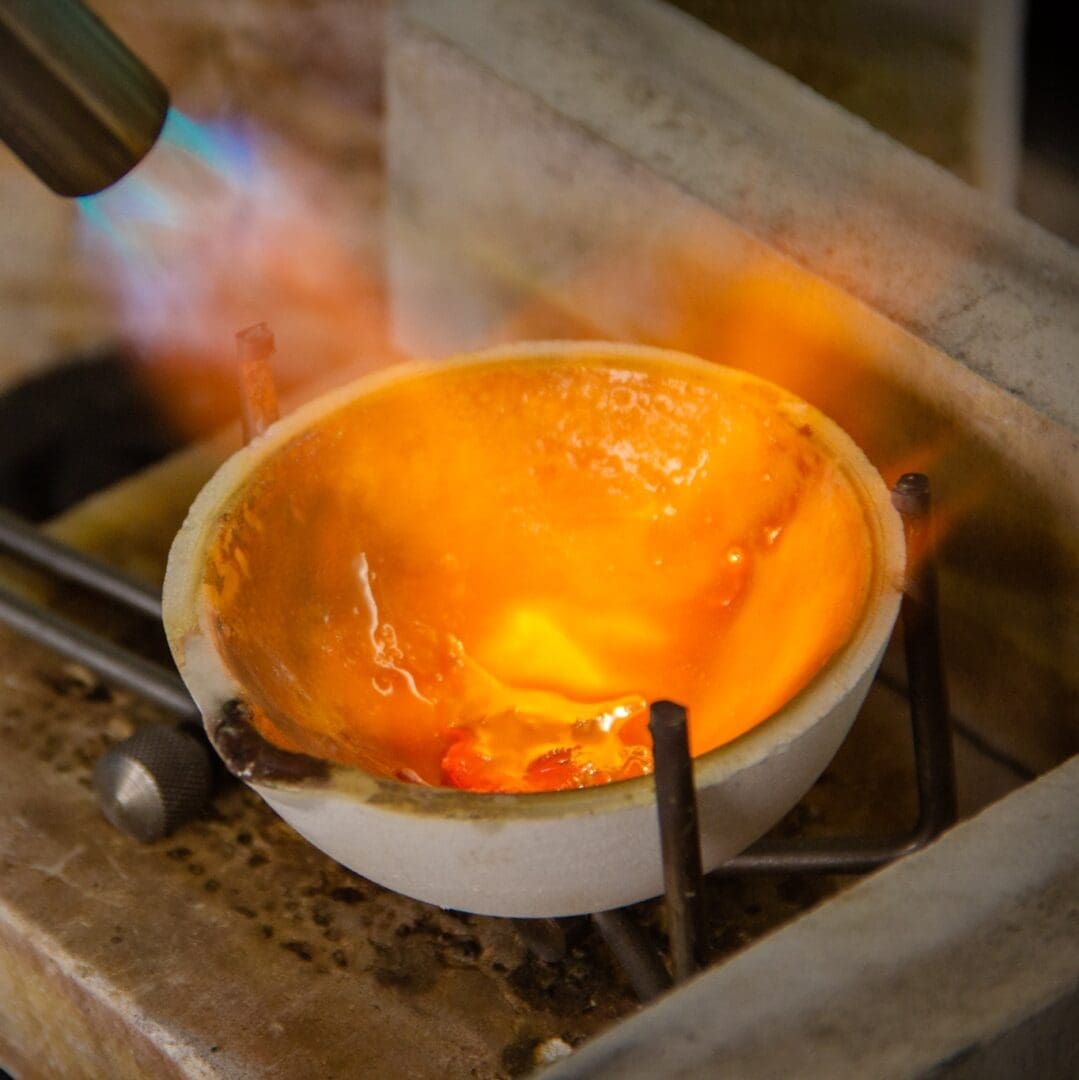
Smelting recycled silver jewellery to create a new piece of jewellery
Smelting recycled silver jewellery with a torch to create a new piece of jewellery by casting
Posted on

What Is Silver, Exactly? A Guide to Recycled, Sterling, Fine & Argentium Silver Jewellery

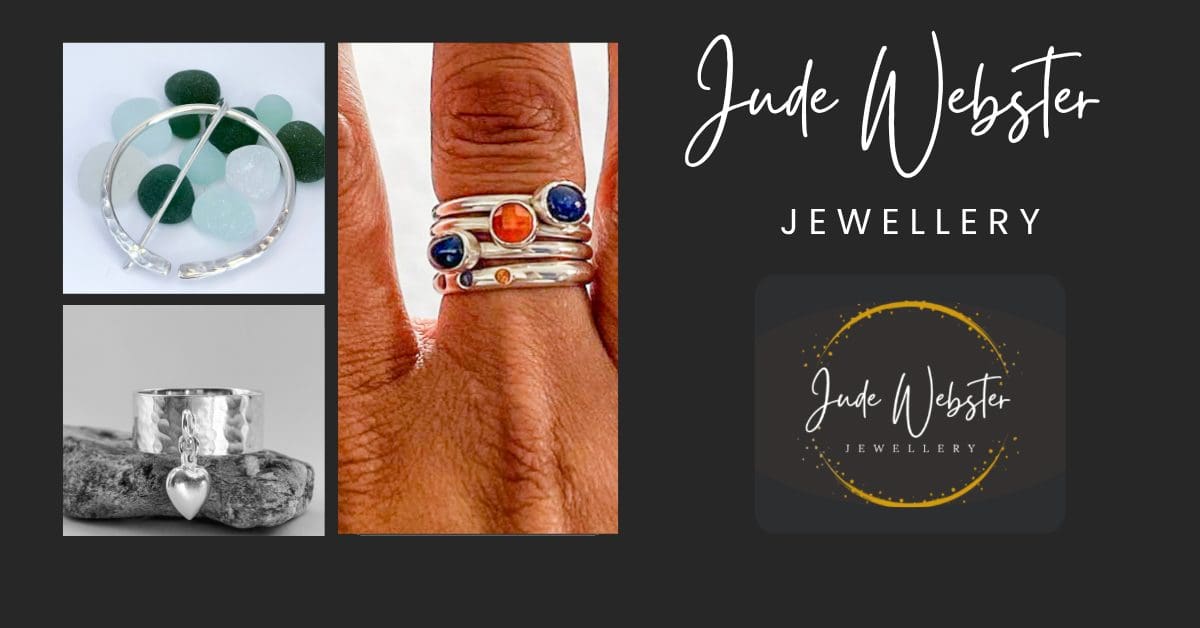
Jude Webster Jewellery logo and some silver commission pieces

What Is Silver?

(Exploring sterling, fine, and Argentium silver — and why I choose recycled materials for my handcrafted jewellery.)


Introduction

Silver has always held a special place in jewellery making — timeless, radiant, and full of character. But not all silver is the same. From traditional sterling to the purity of fine silver and the innovation of Argentium, each has its own story and strengths.

At Jude Webster Jewellery, based in North Yorkshire, I create one-of-a-kind pieces using recycled sterling silver, fine silver, and occasionally Argentium silver — all crafted with care, respect, and a deep appreciation for the materials and their origins.


Sterling Silver — The Classic Choice

Sterling silver is perhaps the best-known form of silver used in jewellery. It’s made up of 92.5% pure silver, with the remaining 7.5% usually copper. That small addition gives it strength and durability — essential for pieces that are worn every day.

Pros:

• Strong and durable for everyday wear

• Beautiful, bright shine

• Perfect for rings, bangles, and other regular-use pieces

Cons:

• Can tarnish over time (though it’s easy to clean)

• Slightly less “white” in colour than fine or Argentium silver

I love working with sterling silver because it holds up beautifully in daily wear yet still carries that unmistakable warmth and lustre of silver.


Fine Silver — Pure and Gentle

Fine silver is the purest form used in jewellery, made up of 99.9% silver. It has a wonderfully soft, buttery surface and a gentle, almost glowing sheen.

Pros:

• Hypoallergenic and naturally resistant to tarnish

• Soft, luminous finish and colour

• Ideal for delicate or detailed pieces

Cons:

• Softer and more prone to scratching or bending

• Less suited for heavy-duty wear (like rings or bangles)

I sometimes use fine silver for small, detailed work  such as a bezel setting or where I want a slightly softer aesthetic, such as in hand-formed pendants. 


Fine Silver Clay — Modern Alchemy

One of my favourite materials to work with is fine silver clay., It starts as a soft, malleable clay made from recycled fine silver particles mixed with a natural binder and water. This allows it to be shaped, carved, and textured by hand — perfect for creating organic, one-of-a-kind designs.

Once the piece is dry and refined, it’s fired in a kiln or with a torch. During firing, the binder burns away, and the silver particles fuse together to form solid 99.9% pure fine silver. The result is real, precious metal — just like any other fine silver, but formed through an incredibly tactile, creative process.

Pros:

• Made from recycled silver, making it an eco-conscious choice

• Ideal for detailed textures, imprints, and organic shapes

• Fires into pure fine silver (99.9%)

Cons:

• Slightly softer than sterling, so best for pendants, earrings, and keepsake pieces

• Requires careful drying and firing to achieve the best finish

Silver clay allows me to work more intuitively — shaping and forming by hand, rather than sawing and soldering. It’s a wonderful blend of traditional silversmithing and modern innovation, and it means no two pieces will ever be the same.


Argentium Silver — The Modern Innovator

Argentium silver is a more modern form of silver that takes the traditional sterling alloy and improves upon it. It’s available in two grades — Argentium 935 and Argentium 960 — both of which have a higher silver content than standard 925 sterling silver. Instead of being alloyed purely with copper, Argentium includes a small amount of germanium, which gives it some remarkable properties.

Pros:

• Highly tarnish-resistant, staying brighter for longer

• Whiter and more reflective than traditional sterling

• Easier to care for — a light polish restores its shine beautifully

• More environmentally friendly to produce, often made using recycled silver

Cons:

• Slightly more expensive and not as widely available as sterling

• Behaves a little differently under heat, so it requires careful handling when soldering

Argentium is a wonderful example of how traditional materials can evolve. It combines the beauty and versatility of sterling silver with the low-maintenance qualities we all appreciate — making it an excellent choice for modern, responsibly made jewellery.


Where Silver Comes From

Silver is mined all over the world — often as a by-product of copper, lead, or gold mining. Unfortunately, traditional mining can have a heavy environmental impact, disturbing landscapes and ecosystems. That’s one of the reasons I choose to use recycled silver wherever possible.

My recycled sterling comes from trusted UK suppliers who refine and reclaim silver from scrap jewellery, electronics, and other silver-bearing materials. The reclaimed silver is purified to the same standard as newly mined metal — meaning there’s no difference in quality, only in conscience.


Why Recycled Matters

Working with recycled silver allows me to create pieces that not already tell a story but continue, giving new life to materials that already exist. It aligns with my belief that beauty should never come at the cost of the planet. Every piece I make carries that quiet intention — care, respect, and a deep appreciation for the world that inspires it.


In conclusion:

Silver isn’t just silver. It’s history, craftsmanship, and responsibility — all bound together in metal that has captured human imagination for millennia. Whether it’s sterling, fine, Argentium, or fine silver clay, it’s a joy to work with — especially when it’s reborn from recycled roots.

Posted on

About Jude Webster-Handcrafted Silver Jewellery Inspired by the Yorkshire Countryside

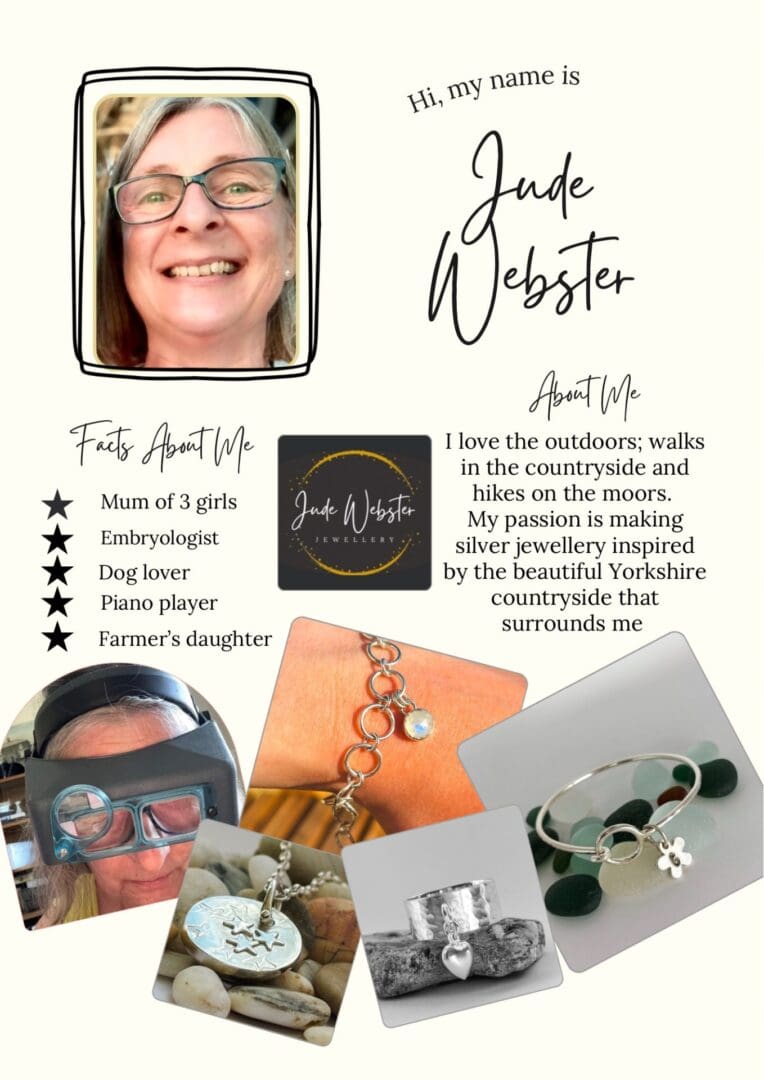
A poster with images of Jude Webster and Jude Webster Jewellery. The jewellery includes Sterling silver stars and universe pendant plus some commission pieces (a chunky ring with a charm attached, a bangle with a flower charm and a chain bracelet with moonstones. There are some fun facts about Jude webster, her passions and inspiration.

Hi, my name is Jude Webster and I’m the designer and maker behind Jude Webster Jewellery.

I create handcrafted silver jewellery inspired by the beautiful Yorkshire countryside that surrounds me. Every piece is made with care from recycled silver, combining traditional silversmithing techniques with a love of nature and the outdoors.

I love walking in the countryside and hiking on the North York Moors where I find inspiration in the textures, patterns and shapes of the natural world and beyond. My jewellery reflects that connection-simple, timeless designs that tell a story of nature, landscape, craftmanship and respect for the environment.

A few fun facts about me! 

  • Mum of three beautiful girls
  • I work as an Embryologist for my day job
  • Dog lover
  • Piano player
  • I’m a farmers daughter with a deep love for rural life.

Each item I make is one-of-a-kind, designed to be worn and cherished for years to come-jewellery that feels personal, meaningful and rooted in Yorkshire.

Posted on — Leave a comment

About Me & Nature by Day

Hi,

I’m Dee also known as Debz. I make unique handmade silver jewellery which is inspired by Mother Nature’s amazing textures and designs. All my work is made by hand, by me, from Silver Metal Clay which is 99.9% pure silver and is a recycled material, I’ll tell you a little more about this amazing medium below.

How it all started

I started making jewellery several years ago after my twin sister bought me a Metal Clay course for Christmas. I immediately fell in love with this fascinating process and knew this was what I was destined to do.

I’ve always been creative and fascinated by the worlds flora and fauna. I went to Art College way back when, but I failed to follow my creative heart for my career and instead worked in luxury retail for over 25 years. While working with some of the worlds most beautiful luxury products, I always dreamed of one day being able to share my own designs and creations with my own precious customers and now I am through Nature by Day.

My Collection

Mother Nature is the greatest designer of all, nothing a human can create is more beautiful than that of nature and this is why I try to recreate natures designs. Sea shells dominate my collection. I’m passionate about them not only because they are among some of the most remarkable designs found in nature, but also because of their spiritual and magical powers which have been used throughout time all over the world. Shells are linked with the feminine energy, where shells are used to draw the things you desire into your life. Each shell or symbol of a shell brings and possess it’s own bit of magic so my silver shells make the perfect gift for every woman if they need a bit of extra power and magic in their life as well as a beautiful piece of handmade jewellery.

Metal Clay is the perfect medium for capturing every intricate detail that Mother Nature puts into her gorgeous designs. I make every item individually by hand so every piece is unique in it’s own little way. All the findings and other components I use to make my finished pieces are made from Sterling Silver. 

I make your orders in my lovely home in the Herefordshire countryside that I share with my Scottish husband Ken and my little rescue dog, Tahira.

My real passion is creating and making commissions or personalised designs for you, my customers, there is nothing more gratifying and humbling for me than to make that special piece of jewellery that you can treasure forever.

All my jewellery is beautifully gift wrapped in my eco-friendly branded gift boxes tied with ribbon so they make perfect gifts for every occasion or just a treat for yourself! I’m also happy to add a handwritten note if you want me to send something directly to a friend or loved one.

I welcome orders from all over the world.

Commissions

Did you find a shell on a special holiday or on your honeymoon that you’d love made into silver? Does a loved one have a special tree or plant that you’d like a permanent piece of to wear? If so, I’d be delighted to create a customised and personal design for you, so please don’t hesitate to get in touch with me or if you simply have a question about my jewellery please email me at: deeyoung@naturebyday.com.

Silver Metal Clay

Metal Clay is exactly that, silver in clay form, tiny little packets of clay. The clay is made from tiny particles of reclaimed silver mixed with an organic binder and water. You can shape, mould and sculpt the clay like you would with any other type of clay.

The clay is then dried, once dried you can refine it further by sanding, carving, filing etc. until you have the perfect piece. The clay then needs to be fired in a tiny little kiln. 

Once fired you are left with pure Fine Silver which is classed as 99.9% pure verses Sterling Silver which is 92.5% pure.

Once fired you can then use normal silversmithing techniques such as soldering to complete the pieces. 

The last process like with any jewellery is polishing, I use 7 different steps, all done by hand to polish all my pieces to ensure I don’t lose any of the lovely detail.  

Thank you for reading my about page.

Happy browsing and shopping,

Dee.