Welcome to the second part of my recent foraging experience. Last week’s post is called ‘Wild Food on Arran’ if you haven’t had the chance to read it yet:
https://staging.thebritishcrafthouse.co.uk/tag/sweet-thorn/
This is an account of a wild food workshop on Arran, led by Zoë from Wild Food Arran.
If you haven’t read my previous post I will just reiterate that this isn’t intended as an identifying blog, as I’ve only been foraging once. 100% certainty is what’s needed when snacking on wild foods. I am confident with a very few edible plants, such as blackberries and nettles. This post is more about the experience my friends and I had of a foraging workshop, where we were shown what we could eat and gathered small amounts for lunch. There are links to Zoë’s website and blog below if you want to know more about identifying edible plants.

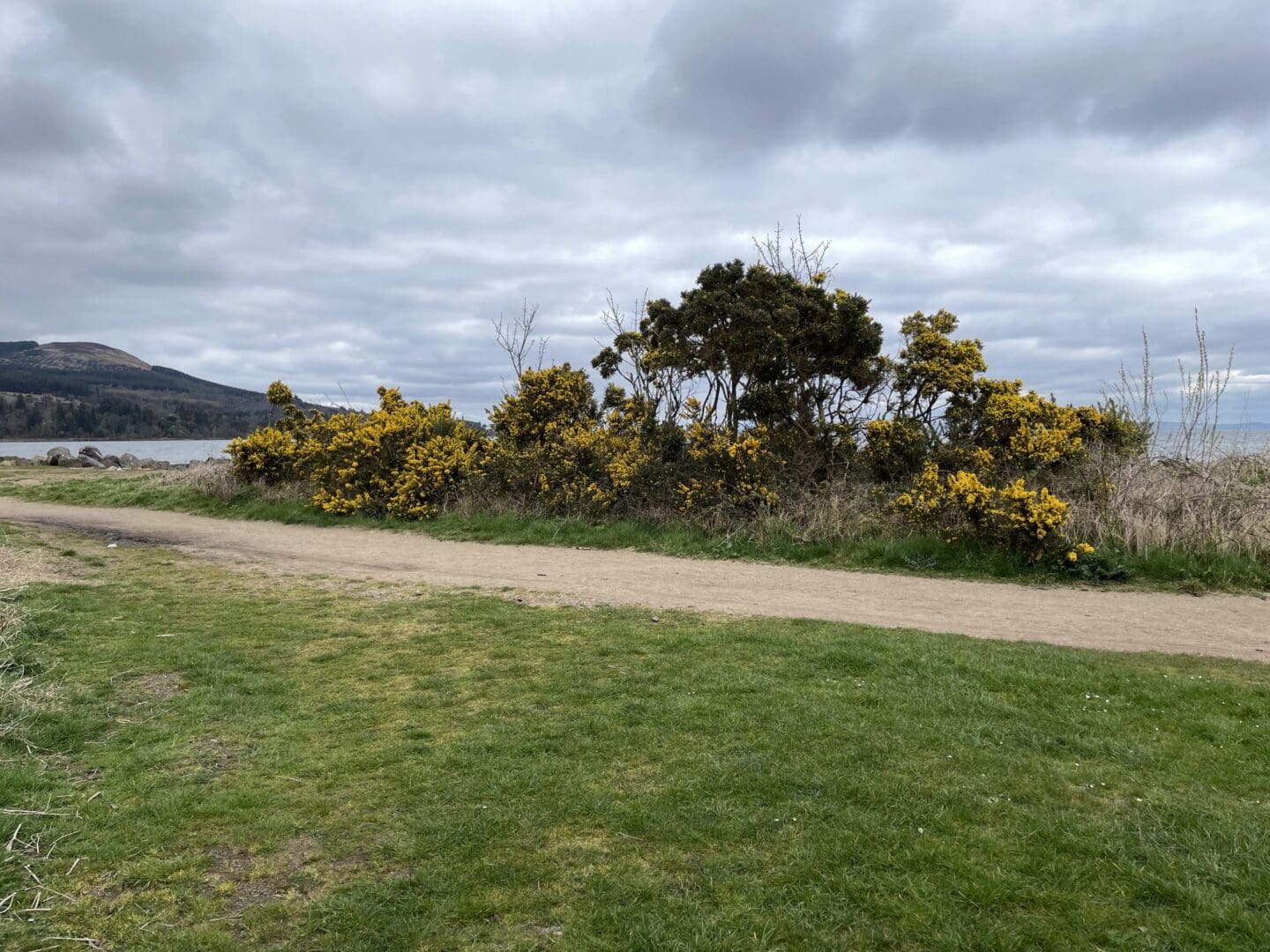
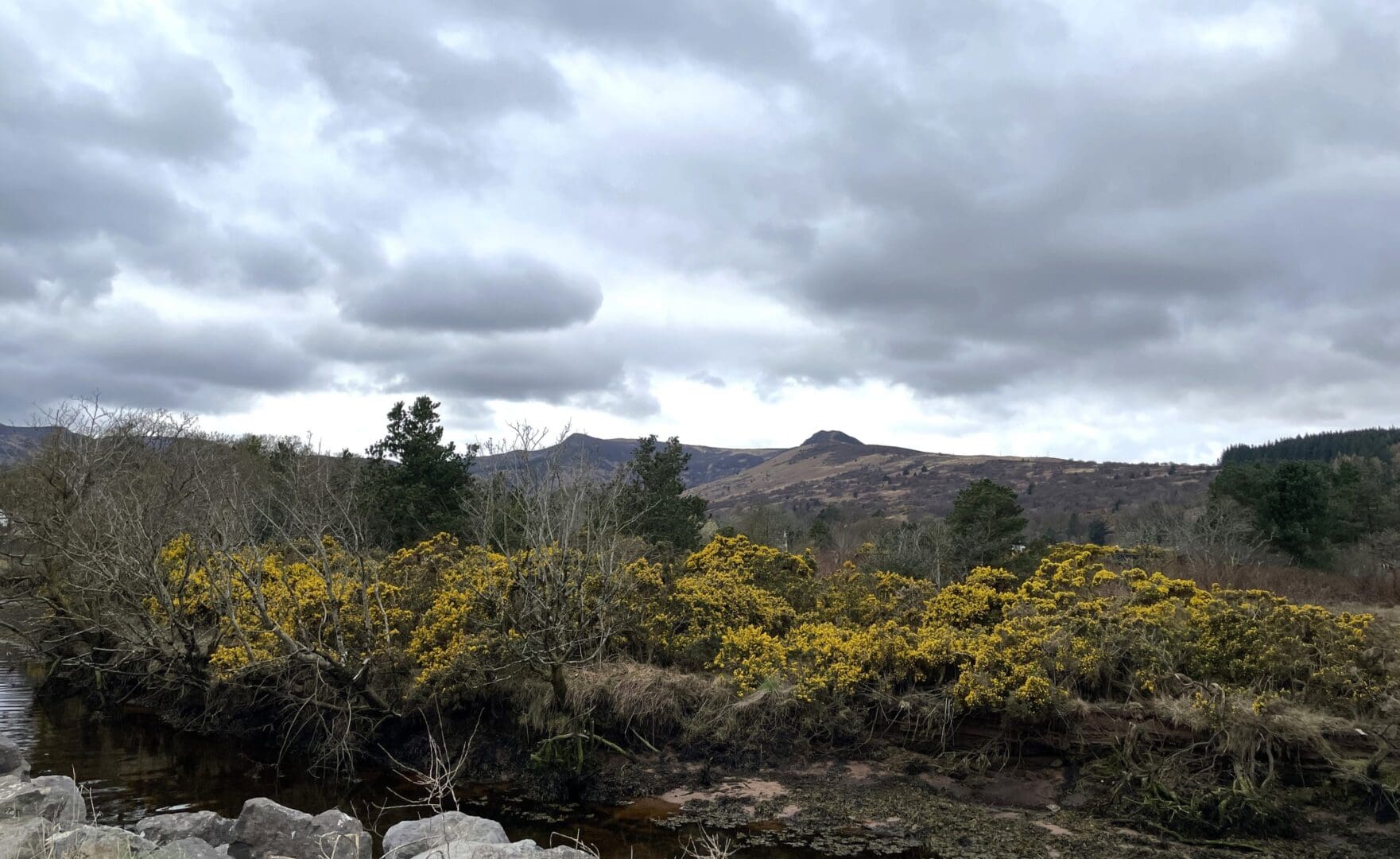
After picking sorrel and nibbling at gorse flowers and blackberry leaf shoots, most of our foraging was done. We did see wild garlic leaves, but there were only a few plants growing, which would make harvesting the leaves unsustainable.
Another plant we tasted but didn’t harvest was scurvy grass. I’d never heard of it before but it was quite unusual. It took a minute for the taste to kick in and then there was a sort of mustardy/wasabi hit, which we hadn’t expected. As a decent source of Vitamin C, and so a preventative for scurvy, this would have been eaten more often in the past than it is now – and it’s one of the plants that suggests how our palates have changed. The food we eat these days is more likely to be sweet than bitter or wholly savoury, and this became clearer when we ate lunch.

Our final harvesting stop was nettles – a very useful plant for foraging as there are usually an abundance of them all over the place. And an excellent plant for beginner foragers as they are so familiar. Many of us can quickly recognise nettles, if only because we prefer to keep our distance.
Despite the effective defence system, nettles can be neutralised and eaten safely. The young leaves are best for eating before the flowers and seed heads appear. Cooking the leaves very thoroughly takes away the sting. We also tried the slightly more adventurous tactic of rolling the leaves up with sorrel to crush the stings so that we could eat them raw. We pinched and flattened our leafy parcels very firmly indeed, just to be sure! The nettles had a savoury green leaf sort of taste which the lemony sorrel made a bit more lively.
By the end of the first hour we had a good collection of leaves and shoots, as well as a full bag of litter. We set up lunch camp at a picnic table and Zoë set out some tasty foraged extras while the soup simmered away. I have to say, if I can come across crab apples at any point they make a very tasty whisky. We sampled two of Zoë’s recipes – crab apple and also a blackberry whisky. They were both really excellent ways to flavour whisky. The bramble one was rich and fruity, while the tang of crab apple complemented the warmth of the alcohol very well.

The photo shows the two whiskies, and a dried kelp seasoning (kelp, sea salt and a mix of seeds) which we used on our soup.
While the nettles slowly lost their sting (Zoë doing intrepid taste tests every now and again), we enjoyed sourdough bread with wild garlic butter. It was as delicious as it sounds, and so nice to have fresh herbs in the butter. It was interesting to think that the colour and taste both came from just the leaves. I’m used to making garlic butter from crushed up cloves and herbs, but wild garlic butter is an excellent reason to experiment with growing ramsons at home.

You have all waited patiently to get to this point! In time the soup was ready and you can see from the photo how fresh and appetising it looked. I’ve always been curious about what bladderwrack tastes like, so the first thing I did was crunch on a juicy pod. I had always thought that the little bladders were full of air, but they actually have a sort of gel inside them, which gives them a lot more substance. They were very satisfying to eat, as were the little spears of knotweed, which had a more lemony zest once they were cooked.
The fascinating thing about the soup was how unfamiliar the tastes and textures were. The nettles, sea radish and sorrel wilted down like kale or spinach, while the seaweeds stayed robust with a bit of crunch. The savoury flavours were delicious and also very rich and filling. Eating foraged foods gives you some idea of how our palates have changed over time – we’ve become far less familiar with native vegetation as we rely on it so rarely now. The bitter and savoury tastes emphasised how our diet is a lot sweeter these days – it’s not often that we eat foods which are totally unsweetened.
It turns out that there are a lot of things to consider when eating unfamiliar foods. Soup is a very useful introduction to wild foods because it can combine a variety of plants and only needs a small amount of each. Zoë had previously made careful checks about allergies for our group, but she also pointed out that unknown allergies can occasionally surface. As a result, it is best only to eat a small amount of anything new to mitigate the possibility of severe reactions.

Look how splendid this cake is – and thank you to Zoë for allowing me to use the photo from your Instagram feed. The slice on its own was a gluten and dairy free version, as Zoë makes this experience as accessible as possible by catering for a variety of diets. She also provided a dairy free alternative to the garlic butter.
This fabulous cake was the final touch to our meal. The gorgeous little pink flowers are from flowering currant and apparently have more flavour than the currants themselves. The sponge was soaked in a rich syrup flavoured with fir needles – it tasted like the scent from the forest floor in autumn. Again, the more unusual tastes made us think how sweet and similar so many of our cakes and puddings can be. This cake would definitely add a new dynamic to any tea shop or bakery.
Thank you for following my foraging walk. I really enjoy learning more about my surroundings, so that I can gradually put more names to wildflowers and plants. This was a really interesting step towards recognising plants that I see all the time and have heard about, but couldn’t identify reliably. I am not yet planning to forage much beyond the plants I am already very familiar with, but I have been practising identifying plants so that I can become more confident about what I’m looking at. I would definitely attend more workshops like this one, to reinforce my knowledge and find out more.
For anyone who plans to visit Arran, or who lives near enough to consider it, Zoë’s foraging trips are well worth attending – lots of interesting knowledge, without being overwhelming, with delicious results and wonderful scenery as well.
If you’d like to know more, here are Zoë’s web pages again, and Wild Food Arran can be found
on Facebook and Instagram.