Posted on — Leave a comment

Meet the Maker – Maisie M Trees

My name is Elspeth, and I discovered a love of working with wire and crystals when creating a “family tree” cake topper for my in-laws Golden Wedding in 2020.

I’d tried to buy a wire tree cake topper off Etsy – I even had one in my basket… but when I tried to purchase it, the maker was in America and didn’t post to the UK.  I couldn’t find a UK seller, so I got some craft wire & assorted beads and had a shot at creating one… and I LOVED IT!

Fate indeed, as I realise how close I came to just purchasing a tree and never discovering this new pathway and love of wire art.

I continued to develop my skills and now create bespoke wedding and anniversary cake toppers/keepsakes, and miniature tree baubles. I still have to pinch myself that I have a shop, and love the small business community that has opened up to me!

I recently had a 10 minute live chat with Dottie on Instagram for Meet the Maker, therefore if you’d like to find out more, please click on the following link: https://www.instagram.com/tv/CkqJ5doI4ar/?igshid=YmMyMTA2M2Y=

(Please bear with the initial technical difficulties – the wifi it does sort itself out!)

Posted on — Leave a comment

Odds and Ends of Autumn

After slower rhythms in summer, autumn is a rush. The sort of rush where eventually you look up and the leaves have all fallen and you wonder when that happened.

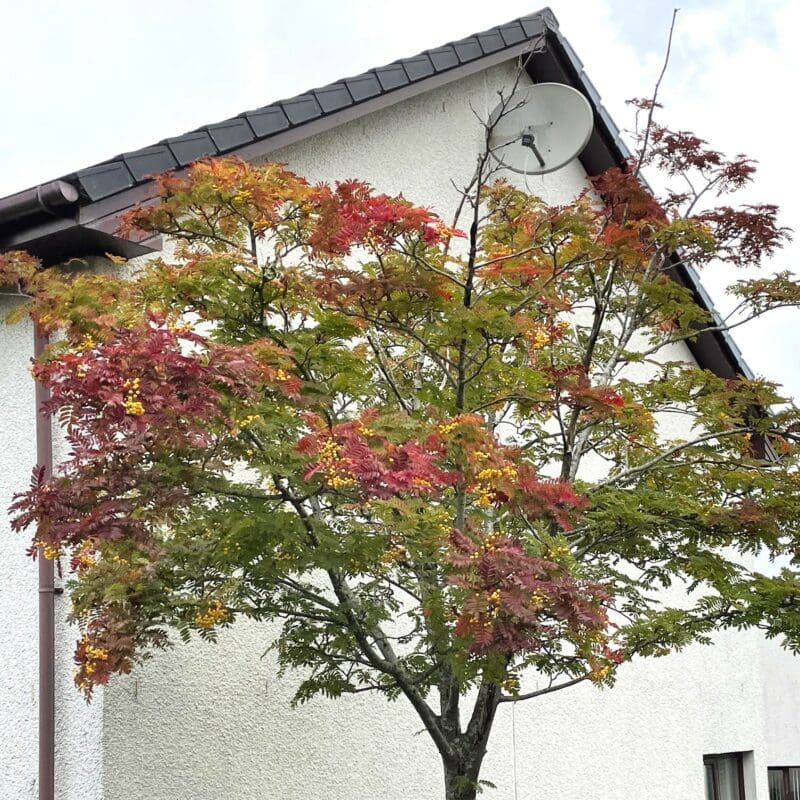
But every year has its variations and it’s been warmer for longer this year. Instead of scurrying through wet and windy days, there have been brighter days too, with warm sun and piles of earth-scented leaves. I enjoyed rediscovering the forgotten musky-sweet smell of an oak tree and scattered acorns. And I particularly enjoyed the riot of autumn colours collected together on one rowan tree.

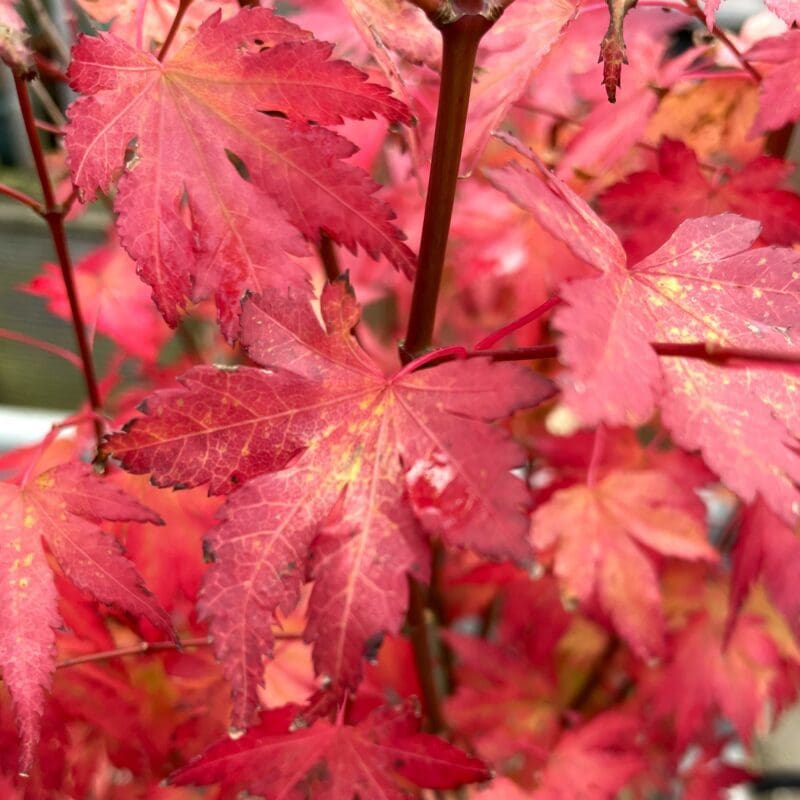
Close up orange red acer leaves

I have been trying to appreciate something of the goldenness of autumn. I feel like I haven’t got outside enough to do this, but the late afternoon light has often been lovely to watch from the kitchen.

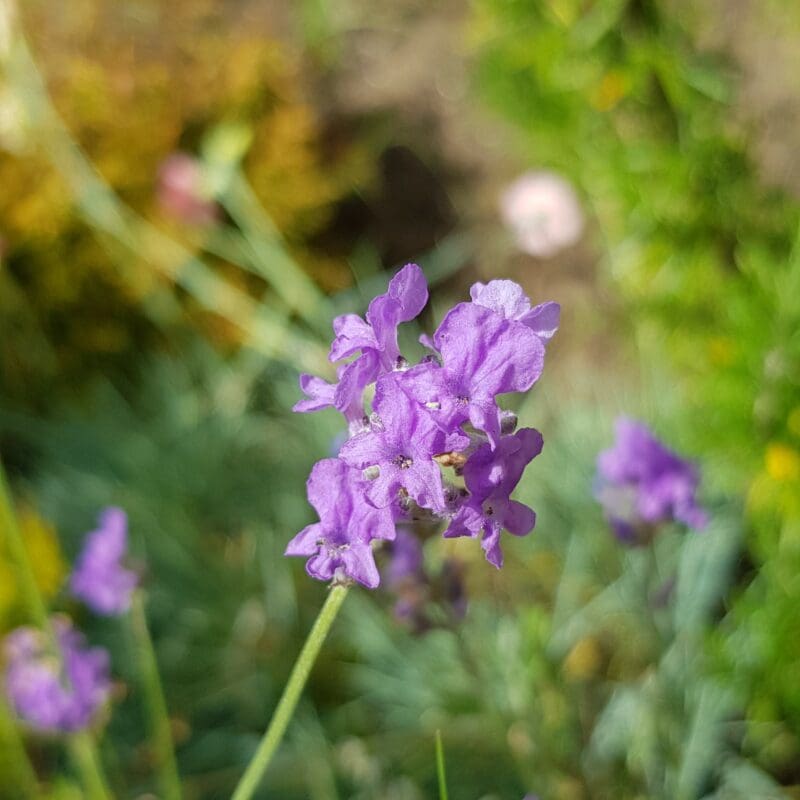
Some of our flowers came out in the September sun rather than in July, so autumn brown and winter grey haven’t taken over the garden yet. I love seeing the lavender in flower. Purple buds and dried lavender are so familiar, but the fresh flowers are such a lovely colour. This year I’ve been catching at lavender whenever I remember, getting a brief moment of scent on my fingers.

close up lavender stem in flower

I love flowers with scent. One of the most rewarding ones is buddleia – I have a dried sprig in a vase which I picked in August. It still has a sweet honey-buddleia scent (up close), which is lovely to enjoy months after the flowers have faded.

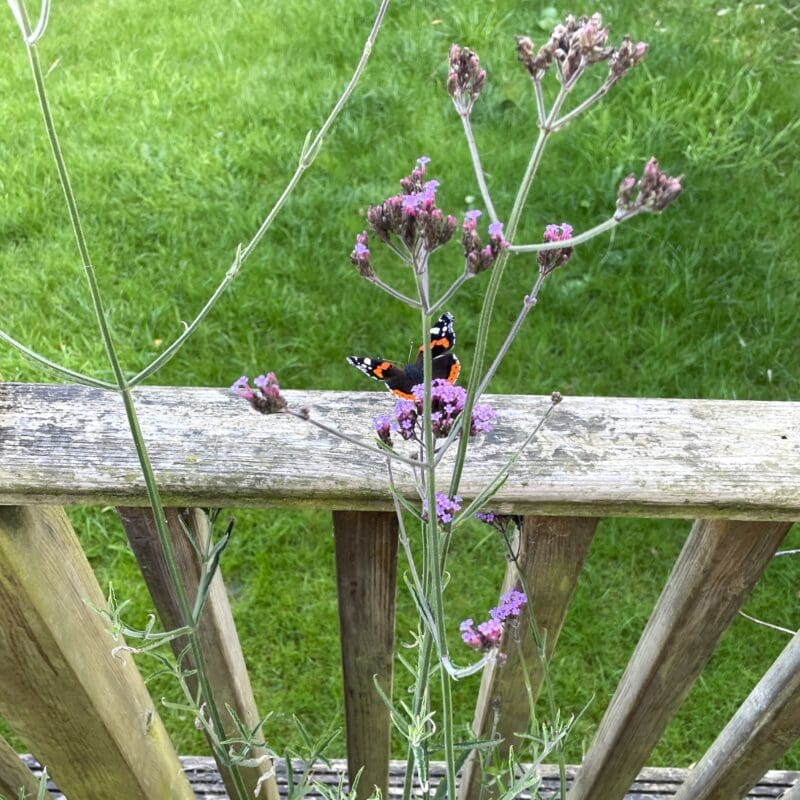
These are just little things that I am trying to pick up as life and work continue at pace. Every holiday is a deadline – a challenge to meet goals before routines and priorities change again. Holidays allow for a lot more noticing – and I often feel that I’m trying to catch up with all the noticing I couldn’t do in the rush of everyday life. I’m not getting outside quite as much right now, but I appreciate how this blog helps me to reflect on what I have seen, and also gives me a nudge about what else I could do to take time and stop on occasion. I still wander out into the garden for a short while now and then. There were late butterflies to enjoy last month, and the birds are always singing. Mostly it’s sparrows, but we have a melodic blackbird as well.

Red Admiral butterfly near purple verbena

My next post will probably be at the start of December, which is the sort of month where Christmas tasks can take three weeks to be whittled away, and where I start setting a timer to get through small chunks of different tasks every evening. I think of November as the eye of the storm, so I will enjoy the relative calm.

Posted on — Leave a comment

Scary or Cute…..you decide!

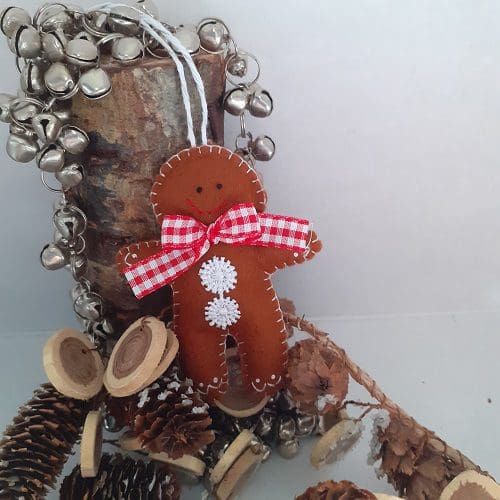
Gingerbread is usually associated with the festive time of year; it dates back to Medieval times apparently and it is believed that Gingerbread men were associated with the court of Elizabeth I. 

My gingerbread men are not just for Christmas, I decided that they should be for other times of year too!

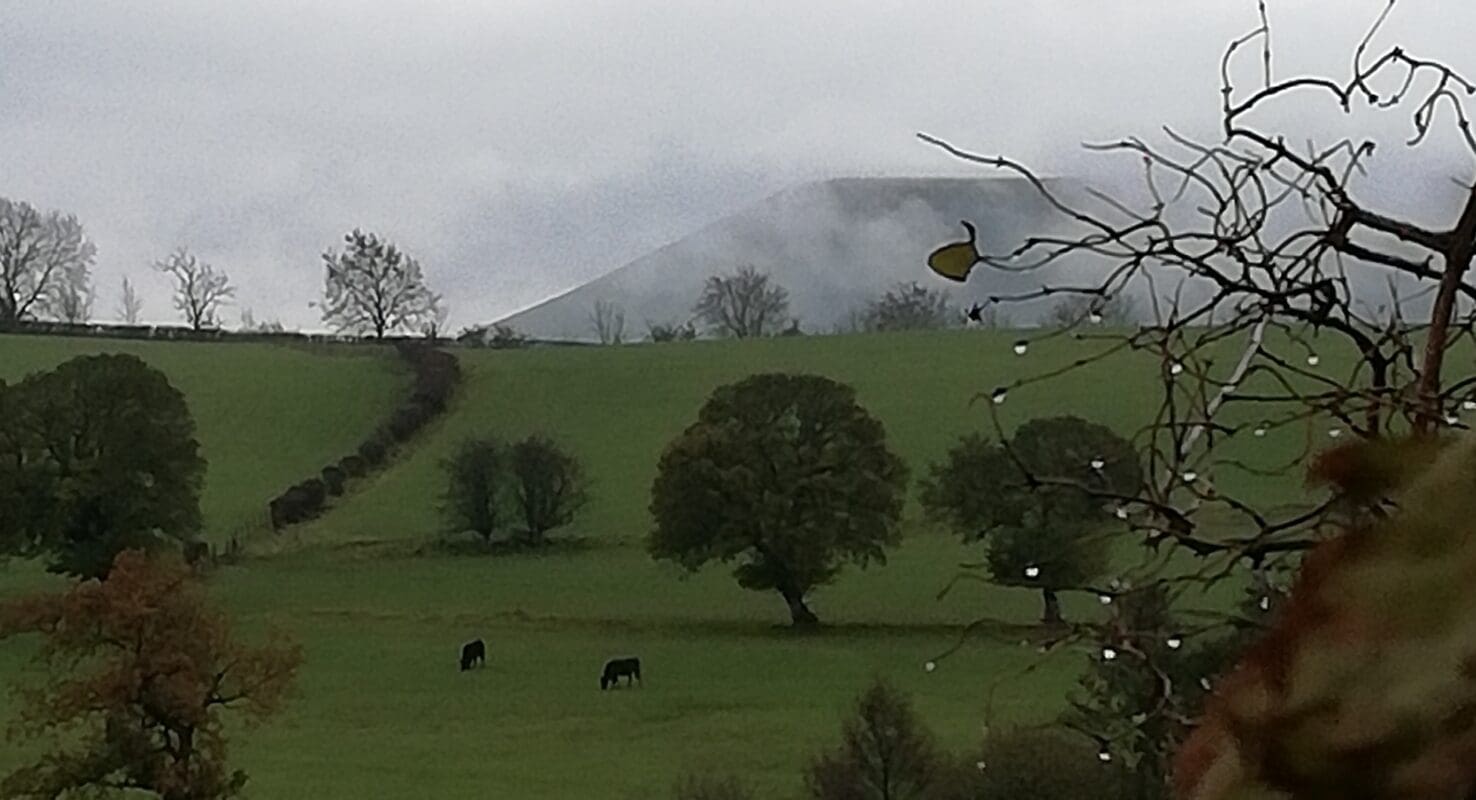
I live in a very rural part of Lancashire with a view dominated by the iconic Pendle Hill which is associated with the Pendle witches.  The whole area is steeped in their heritage and so Halloween is a very busy time of year.  Every village really makes an effort with Halloween decorations. Events based on the tragic story of the 12 people accused of witchcraft and sent for trial, take place all year from guided tours to waymarked walks.

You can read more of the sad tale of the witches:  here   

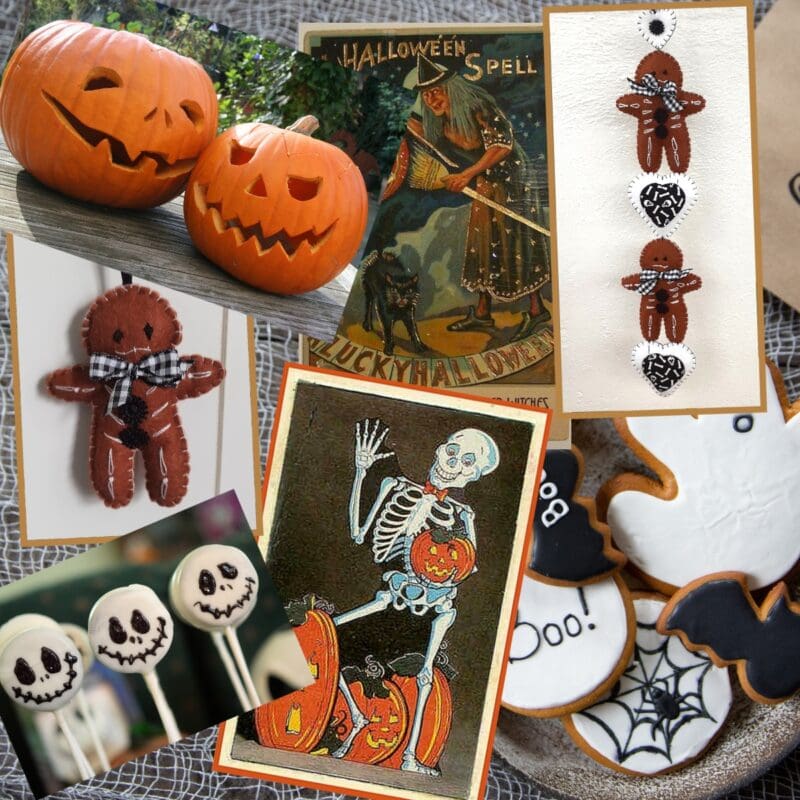
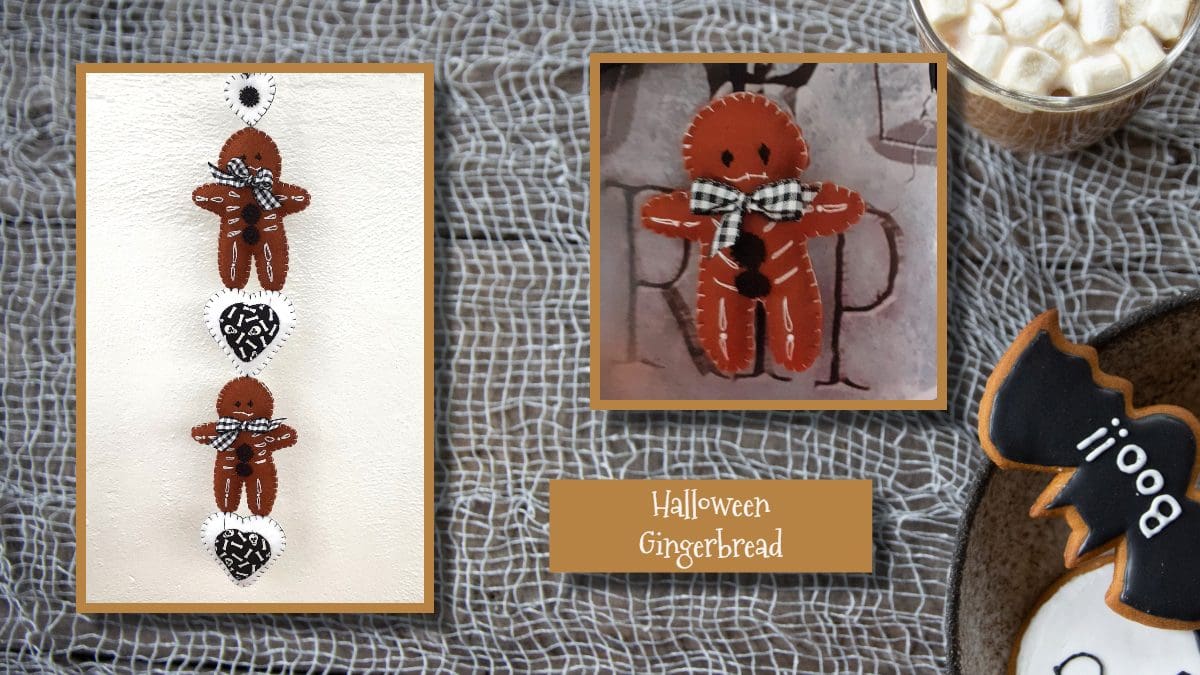
I wanted to make a Halloween Gingerbread man decoration that could be brought out each year and be suitable for all ages, I love vintage Halloween postcards and they were a big influence, as were various films, you can probably work out which ones!

I hope you will agree that the result is rather cute and only slightly scary, they are hand embroidered with a skeleton and have a cheeky gingham bowtie. I also found some perfect fabric to go along with my Gingerbread men and so they are also available as a hanging decoration.

Thank you for reading and I hope to be writing again soon. x

Posted on — Leave a comment

Summer Walk

At the earliest opportunity, I branch off the main path and take the narrow lane which cuts through the woods. I find I am walking briskly through places where I would normally linger. In the heat of the mid-afternoon it is easier to move than to stay in one place. I can feel the burn of the sun whenever I stop and so I walk as if I can escape it. Birds call and chirp. I can’t identify them with confidence until the wood pigeons coo.


I have developed a new habit of grasping the leaves of trees, just for that tactile connection. Another way to remember the differences between them all, and an extra dimension of the whole experience to recall in the relentless activity between holiday spaces. The beech leaves are past their spring softness and have turned a dark and shiny green. They have a thick, almost leathery feel. Some are already brown, crisp and crinkled. Conifers release a green, musky fragrance with their rough feathers. I touch the tips of my fingers to wicked holly spikes, but the larches have soft, comfortable needles. Lime leaves are among the most familiar to me – I try and breathe in the sweet, sticky scent that I remember, but can’t quite catch it today.


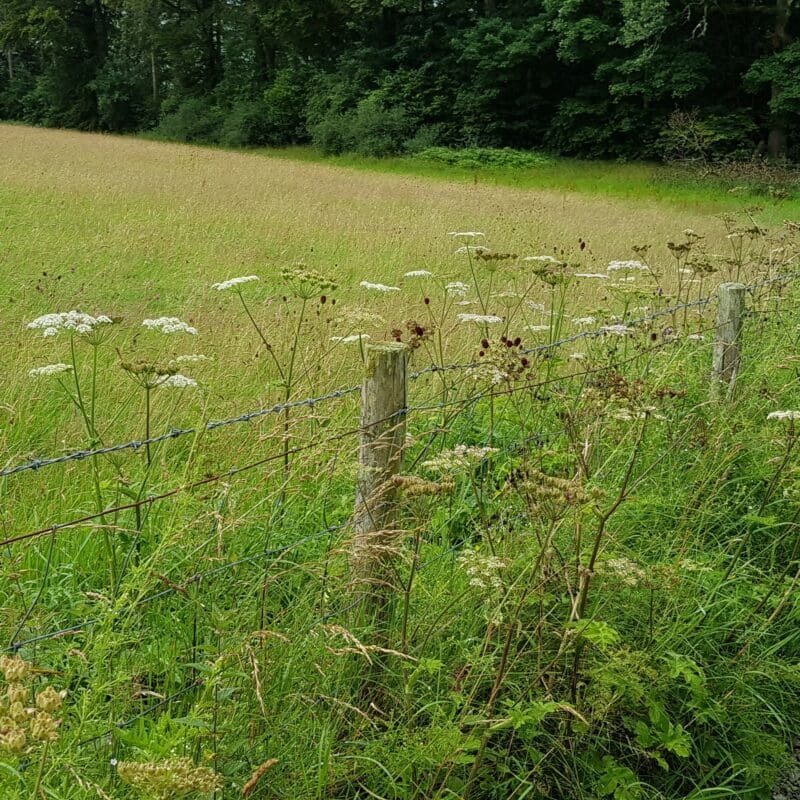
Five minutes through the woods and the lane continues between fields. The hedgerows are full of blackberries. I pick a few ripe ones, and then a red one to eat more slowly. The sour tang is similar to rhubarb and lasts a good long time. Near shoulder level, the border of lacy white cow parsley is dotted with deep burgundy dots of great burnet. In a tangle to my right, lesser stitchwort is scrambling along the length of the hedgerow at ankle level. Thin green stems weave messily through the grasses like a long scribble. On cooler days, I have bent to examine the slender white petals of these small, starry flowers. They travel along the edge of the field, dotted among the green like constellations.


Other people are in the lane, so it’s not a spot to linger long, even if the heat allowed. I follow the path round the field, now parallel with the road. Birdsong gives way to the swoosh and rumble of traffic. Eventually I know there will be a turning that goes towards the lake, although I don’t know how far along it is. The path is much more narrow now. Brambles, shrubs and grasses press from all sides. I watch out for nettles and thorns, avoiding stinging swipes or jagged catches. The late afternoon heat keeps me moving. This path is quite busy with people too. We cram ourselves into grassy passing places to make way, trampling bracken and keeping an eye on the thornier bushes.


After a while, a broader path leads down towards the lake. The air freshens a bit nearer to the water. The hedgerows give way to open grassland and neat gravel paths. There are boarded walkways through marshy areas, green and reedy, with pink accents of invasive Himalayan balsam. Soon the boards open out to fields near the water, where there are people and sheep. I stand in the heat listening to the tearing rip of grass being eaten; a sound of concentration occasionally punctuated by bleats, as if a slow conversation is taking place over the long afternoon.

Posted on — Leave a comment

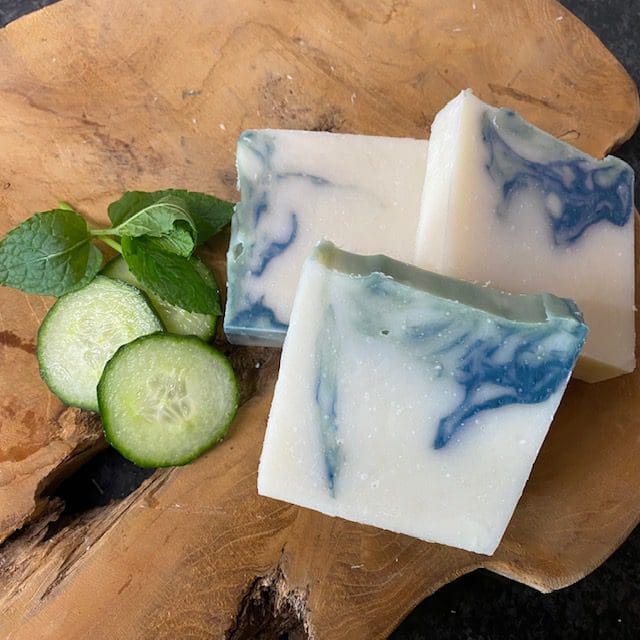
Making soap!

Have you ever wondered how soap is made?

The traditional method of making soap (cold process) dates all the way back to the ancient Egyptians! According to legend, the word soap comes from mount Sapo, where animals were sacrificed. The fats from these animals mixed with wood ashes, then rain would push this mixture down the mountain and into the river where women would wash their clothes. It’s said that this mixture of fat and ash, combined with the water, made it much easier to clean the clothes! Sadly, this is probably a made up story, as no such mountain or river exists. But the basic recipe for the first soap did indeed contain animal fats and wood ash, combined with water. There was even a soap factory, complete with finished bars of soap, found in the ruins of Pompeii.

Today of course many soap makers lean towards plant oils, making soap that can be used by everyone. There are many different oils we can use, with each one having its own values and benefits to the skin. The addition of essential oils, salts and other additives means we can really tailor it to any skin type.

So how do we turn liquid oils into a solid soap? The process is called saponification. Using lye, or caustic soda, the oils are combined, blended and mixed until they thicken up, and then the mixture is poured into a mould, and left to ‘cure’ for 4-6 weeks. Once cured, no trace of caustic soda remains, so the soap is perfectly safe to use on your skin!

I hope you’ve enjoyed this brief insight into making soap, next time I will talk about some of the oils I choose to use in my soaps.

Hayley x

Hayley

Posted on — Leave a comment

Taking Notes

Hi, I’m Rachel from Sweet Thorn. My plan with this blog – which I think I will call Taking Notes – is to continue developing a habit of noticing details in nature.

Some years ago, when I was thinking over ideas about embroidery and what I found inspiring, I realised I had lost the time to notice details we see every day. Nettles and dandelions, or the flowers we see in
hedgerows and brownfield sites, get taken for granted. But, given the time, I like looking more closely at plants and flowers, to see the detail of petals and leaves and notice distinctions. I also like to know what I’m looking at. I realised how easy it was to glance at a hedgerow and label the lacy flowers as umbellifers, without knowing which ones were cow parsley and which were Queen Anne’s Lace. Or hemlock for that matter.

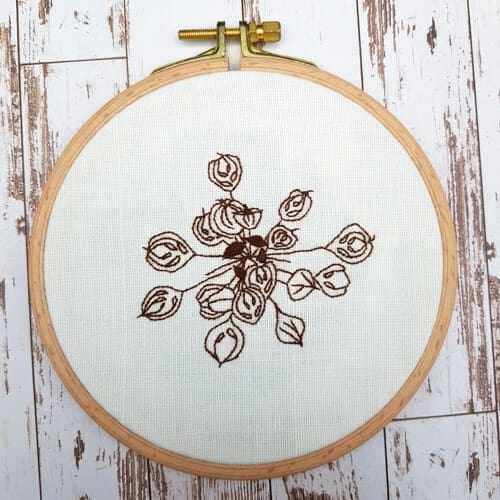
Embroidered cow parsley seed heads

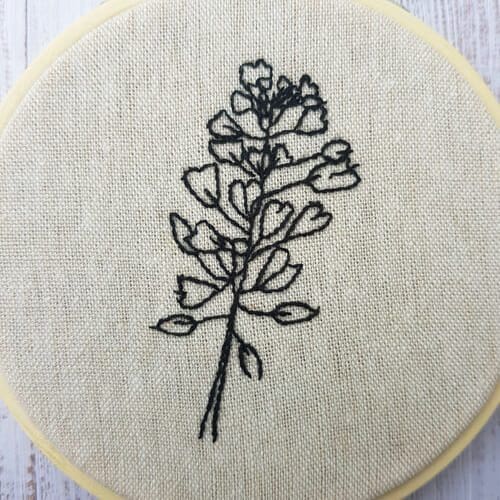
My embroidery art is influenced by these small details, many of which I have learned only in the last few years, through taking photos and looking up what I’ve seen. There are a lot more white and lacy umbellifers than I knew, and their flowers are so varied! The seed heads can be just as intriguing – cow parsley seed heads have exquisite little curling details like filigree. Other plants are a bit more familiar – I particularly enjoyed stitching the distinctive heart-shaped seeds pods which make shepherd’s purse so easy to identify.

Close up of shepherd's purse seed heads, outlined in embroidery.

Hand stitching is an excellent way to highlight details and draw the eye but of course it develops much more slowly. I choose my subjects carefully – I want to be able to recreate my sketches in thread and communicate
what I find most captivating. But even simple designs take time. The advantage of this is that hand embroidery creates a lovely, careful rhythm of work. But writing will add to the scope of embroidery, as I can describe a wider variety of plants more easily. I can also communicate more than the appearance of different wildflowers – I can talk about the fragrance of honeysuckle, juicy blackberries and the feel of leaves in different seasons. I am hoping that taking the time to reflect will allow me to notice more details each time I go out, and that the busyness of life can be balanced against things like noticing the shape of hawthorn leaves or the gleam of rowan berries.

I’ll be back next month – thanks for reading! All best,
Rachel

Posted on — Leave a comment

Three ideas for reusing your old greeting cards!

Do you ever find yourself keeping hold of greeting cards to remember special occasions, but soon find them taking up so much space you just don’t know what to do with them?  Well worry no more with my top three ideas on how you can reuse them!

1) Why not spread the love further, by cutting off the front cover and turning them in to postcards you can send on to deliver some happy mail to friends and family?!

Crofts Crafts ideas for reusing greeting cards

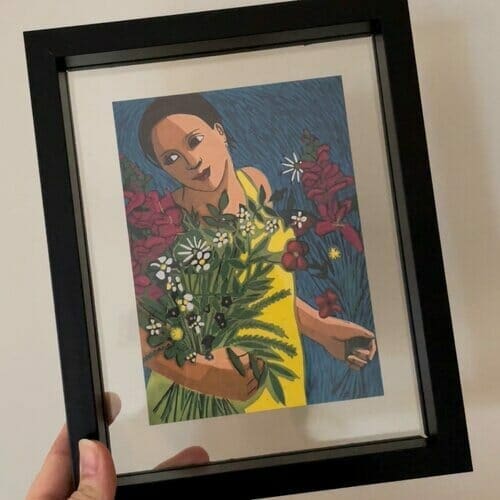
2) Add your favourites to a frame for some instant wall art!

Crofts Crafts ideas for reusing greeting cards

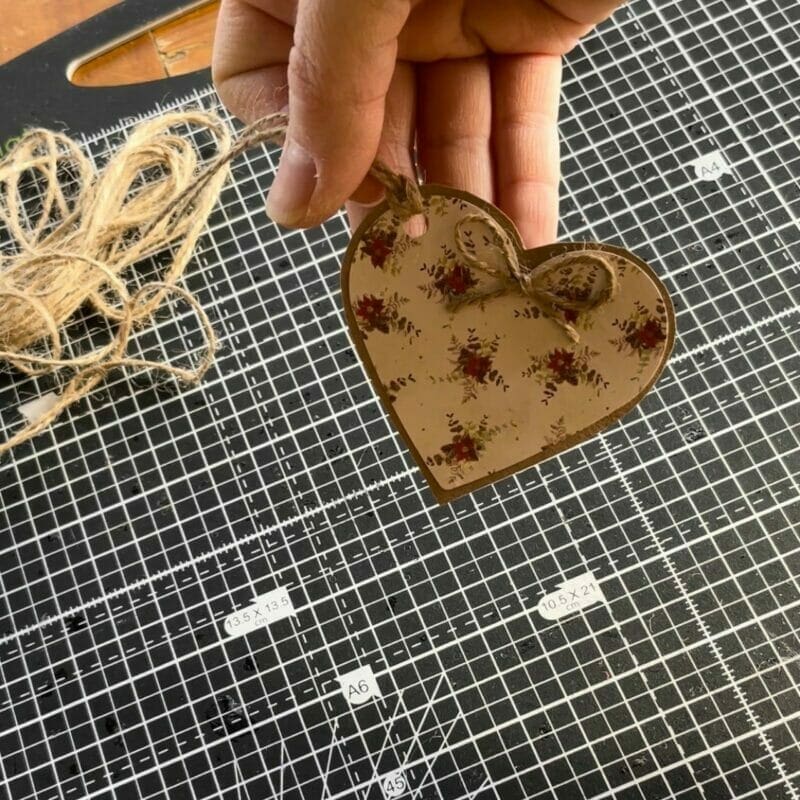
3) Crack open the craft supplies and turn them in to gift tags!

Crofts Crafts ideas for reusing greeting cards

I’d love to hear if you have other ideas – let me know in the comments below! 

Posted on — Leave a comment

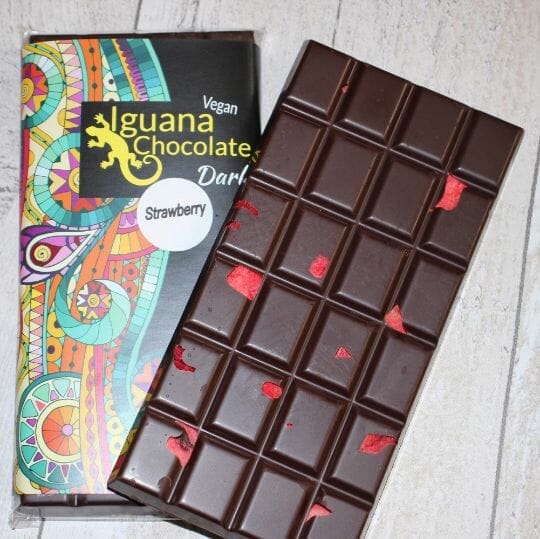
Have you ever wondered what makes one dark chocolate taste so different from another?

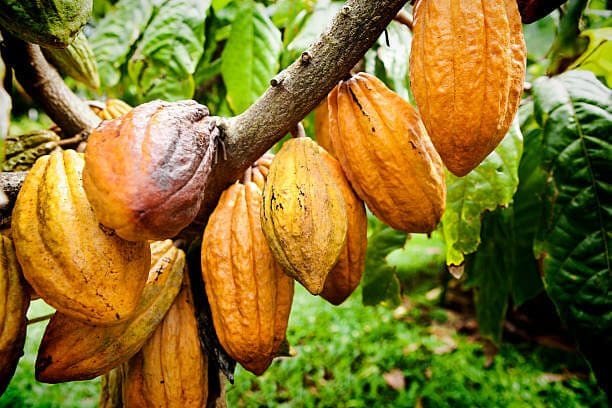
It all starts with the country the cocoa pods are grown in, the climate conditions and hot temperatures. The Cocoa beans grow inside a large fruit or pod. When they are ready they are taken out of the pods and fermented. Then these seeds or beans are dried in the same area they are grown in. After this they will be sent to the manufacturer. 

Here they are cleaned and roasted. A lot of beans will be mixed with beans from other regions to produce different flavours and tastes. 

Chocolate made from one variety of cocoa, grown in that one region and not mixed with beans from other regions are called Single origin chocolates.

What does the percentage mean in chocolate?

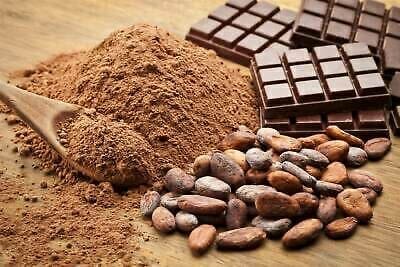
The cocoa percentage in chocolate is the total amount of cocoa  in it. The cocoa is usually in 3 forms – chocolate liquor, cocoa butter and cocoa powder. These all come from the cocoa bean. The percentage tells you how much of the bar is actually chocolate. 

A quality test.

A good quality dark chocolate when broken will give a nice sharp snap, it won’t bend or just crumble. 

This is exactly why I use chocolate that has been through all these steps to produce a very smooth and rich chocolate. And now you know what to look out for when it comes to choosing the perfect, delicious, high quality chocolate that is truly decadent.

Posted on — Leave a comment

Five reasons to take part in an Instagram challenge!

If you follow me on Instagram, you may have seen that I took part in The British Craft House January Instagram challenge.  The idea is that you follow a set of prompts everyday throughout the month, helping you to create content and engage with your audience.  With March seeing the start of Meet the Maker from Joanne Hawker, and it maybe seeming like a bit of a daunting challenge, I thought I’d share my five top reasons why it’s worth getting involved!

1. It provides you with content ideas and encourages you to think outside the box!
Hands up if you sometimes sit staring at your phone, drawing a blank on what to post for the day?  I know I certainly do! With daily prompts throughout the month, these challenges do a lot of the thinking for you!  They provide inspiration for daily posts and a chance to be creative – it’s completely up to you how you interpret the prompt!  From prompts such as ‘packaging’ and ‘logo’, to ‘daily routine’ and simply ‘favourite colour’, you can post as little or as much about your business or personal life as you want!
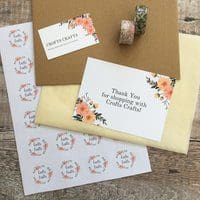
Crofts Crafts packaging

2. It helps you get seen and gain followers – in an authentic way!
Most Instagram challenges suggest a hashtag that you can add to your posts such as #TBCHJanChallenge or #MarchMeetTheMaker.  That way people can scroll the hashtag and see everyone that’s involved.  So it’s a great way not only for you to find fab new businesses and accounts to follow, but for new people to find you too – and hopefully if they like what they see they’ll become a follower and at some stage, make a purchase!

3. It gives you an opportunity to show another side of your business
Quite often we can fall down the trap of only showing product photos, or only talking about our services.  Personally, I think that’s totally fine if that’s what you want to do, but if you’re interested in branching out and sharing new content but not sure how, this is a great way to start.  People do love to see a bit of the ‘behind the scenes’ and to get to know the person behind the brand – it helps build trust with your customers.  People buy from people, or so they say!  My most popular posts over the last year have been ones about gardening and dahlias, rather than my cards, and that’s fine!  But hopefully when the people that enjoy those posts need a card, Crofts Crafts will be the first place that springs to mind!
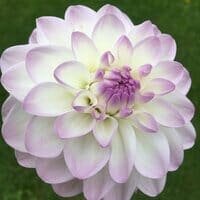
Crofts Crafts Dahlias

4. It’s fun and boosts your engagement!
What I find great about these challenges is the sense of community and fun they create.  If you’re posting content that’s different to usual, it can spark some interesting conversations with your followers in your comments and DM’s, which helps boost your engagement and in turn helps you get seen.  It’s always fun to find out more about your fellow makers or even just to share thoughts on prompts you struggled with or weren’t so keen on!

5. You don’t have to post every day
Yep, you read that right.  As mentioned above, these challenges are supposed to be fun – if you are struggling to come up with an idea, are too busy, or simply don’t like a prompt or want to share what’s being suggested – that’s ok!  I’ll let you in on a secret – I’ve taken part in a few of these challenges over the last few years and I am still yet to complete one fully, posting everyday.  And that’s totally fine!  If you are taking part, it also doesn’t mean that you can’t post other stuff if you feel like it either.  The accounts that host these challenges do it to help you build your online presence, but one of the things I love most about them, is being able to dip in and out as I choose, without any pressure and just make the most of the inspiration and motivation when I need it!

I’ll be attempting to take part in this year’s #MarchMeetTheMaker with Joanne Hawker over on Instagram starting on 1st March if you fancy joining in or just following along – but no promises I’ll be posting every day! 😉  Find out more about it here.  Will you be taking part?  Have you joined challenges in the past?  I’d love to hear your thoughts in the comments below!
Posted on — Leave a comment

Mother’s Day Cards

This year Mother’s Day falls on 27th March.

I’ve been working on a new design that is perfect for this special day…..

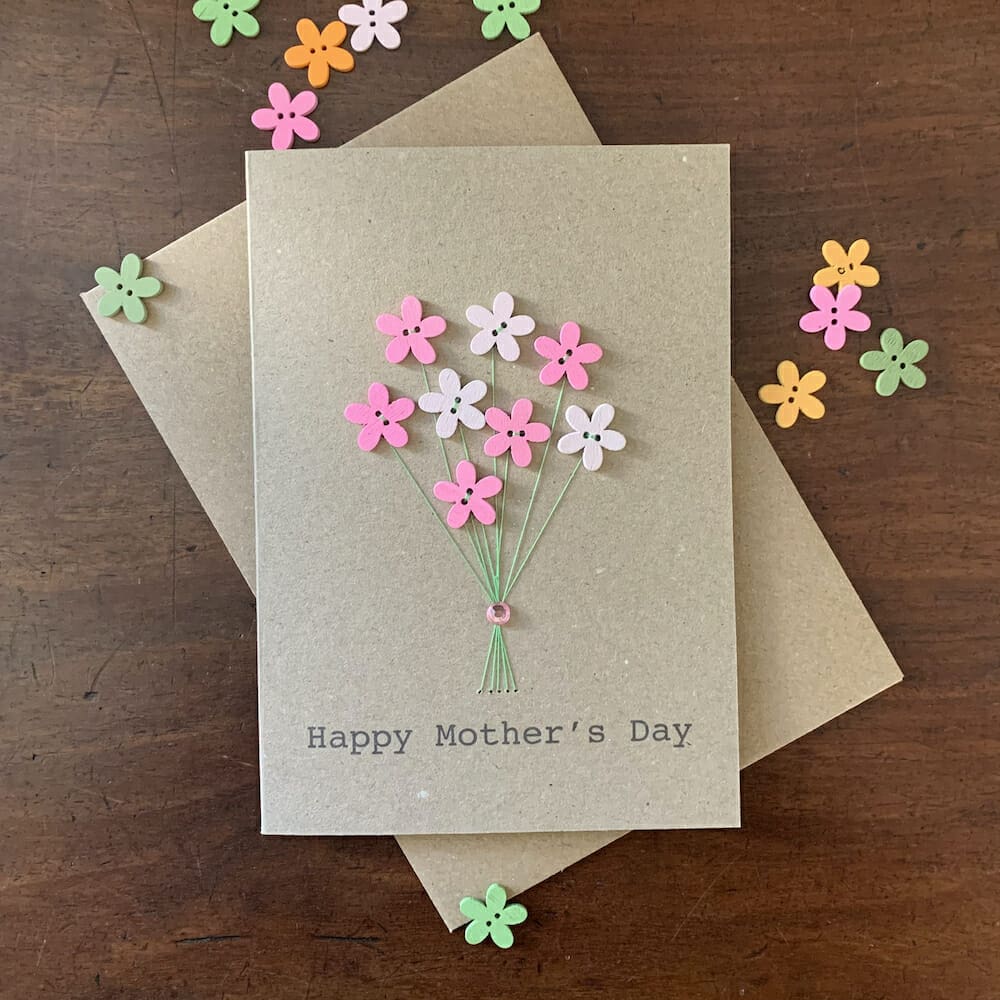
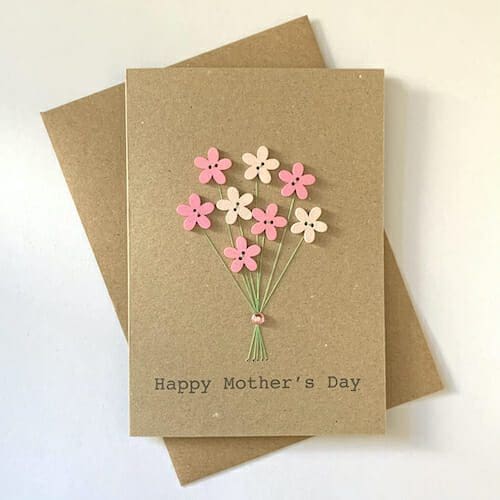
A spring floral bouquet card made using hand sewn wooden buttons with delicate thread stems tied together with a little bit of sparkle.

The card will be available in different flower colour choices.  Your own personalisation can be added too as all my cards are printed in my workshop.

A card made with care, like this one, is a great way to show your Mum how special you think she is.  

This card and others that are perfect for Mother’s Day can be found in my shop.  Just click here to go straight to the selection.

Spring is nearly here!

Tracey xx

tjdesignsuk

floral bouquet card perfect for mother's day with hand sewn buttons

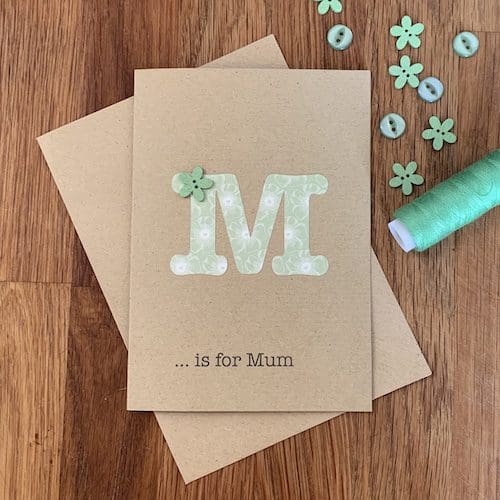
green pretty paper initial card A6

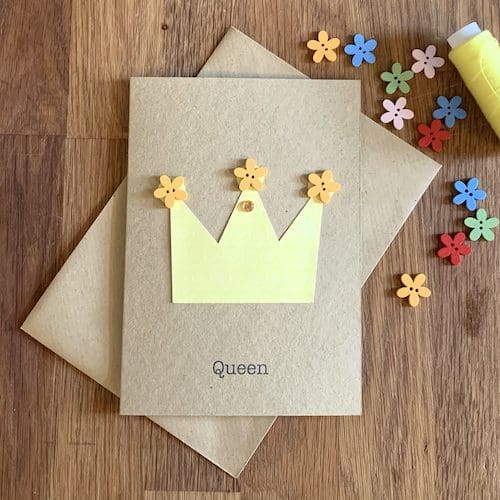
Crown Queen Card Yellow